
Tile History
Millennia of ceramic tile craft all around us.
On this page:
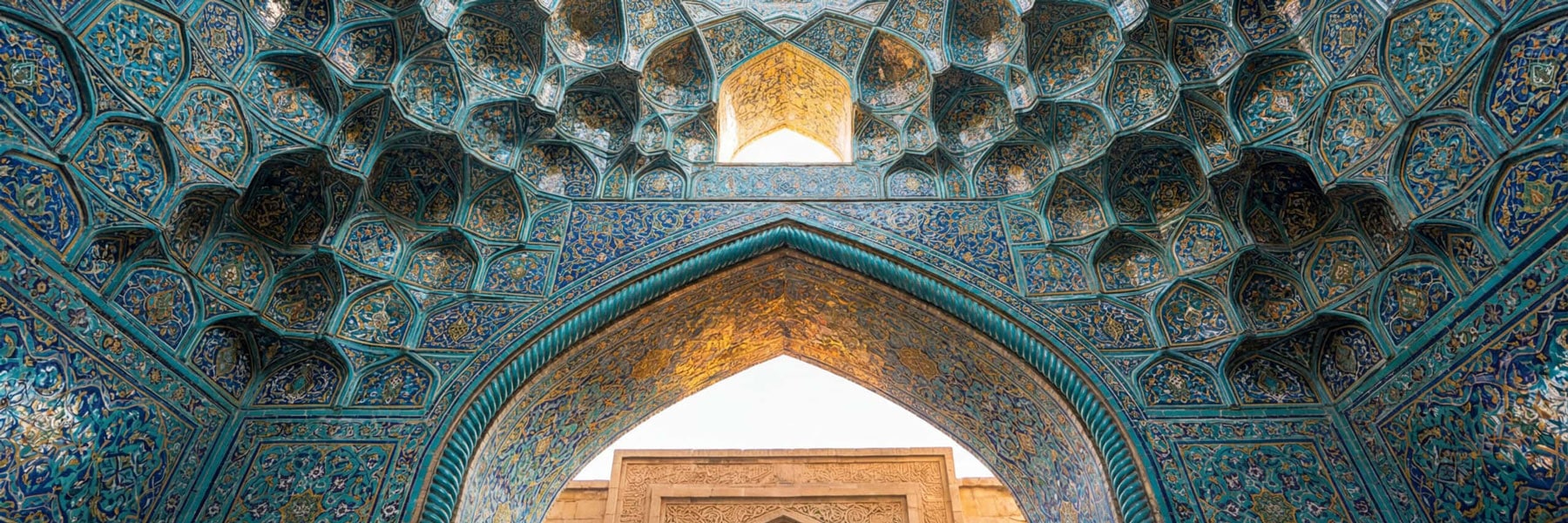
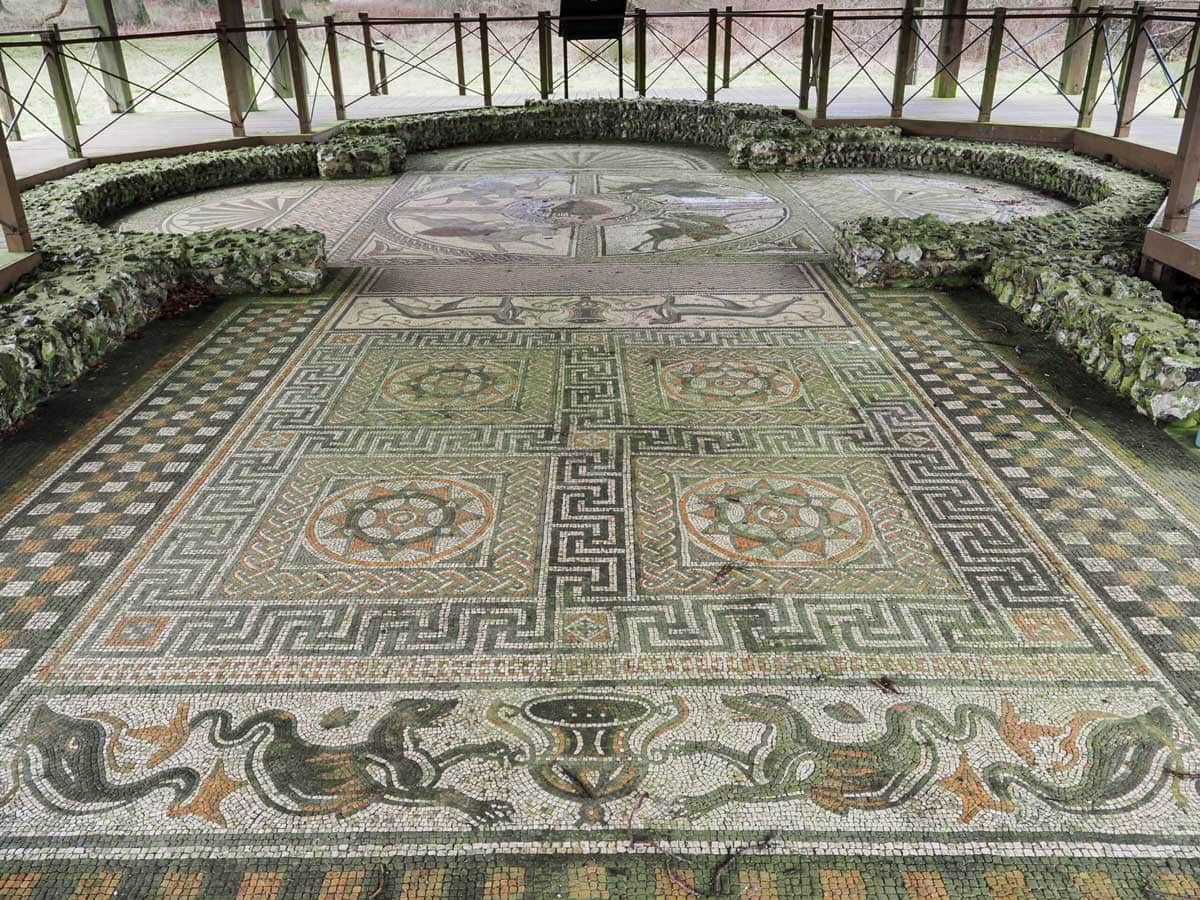
The Orpheus Mosaic tiled floor at Littlecote Roman Villa, Wiltshire
The Orpheus Mosaic tiled floor at Littlecote Roman Villa, Wiltshire, UK
The History of Ceramic Tile
The history of ceramic tile extends to nearly every culture of the world. Social, political, and economic forces have influenced tile over the centuries, and in turn, tile has lent its versatile style and functionality to our greatest historical buildings and most treasured icons. The fact that numerous early tile constructions still exist is a testament to ceramic tile's durability.
From some of the first ever tiles in Mesopotamia (circa 3000 BC), we'll trace tile's origins and influences through Modern European designs to better understand how tile has endured the rise and fall of empires and why tile is the smart and beautiful choice today.
Many historic tile designs have informed contemporary tile styles and uses, such as Moorish tile that is the root of modern zellige tile.
Technological advances continue to evolve, producing limitless ceramic tile options that we can see born from historical references. A beautiful example is modern Delft tiles that embody the brushstrokes of historic Delft designs.
For additional historical tile examples and information, visit the Tile Heritage Foundation, an archival library dedicated to the preservation of ceramic surfaces and their history.
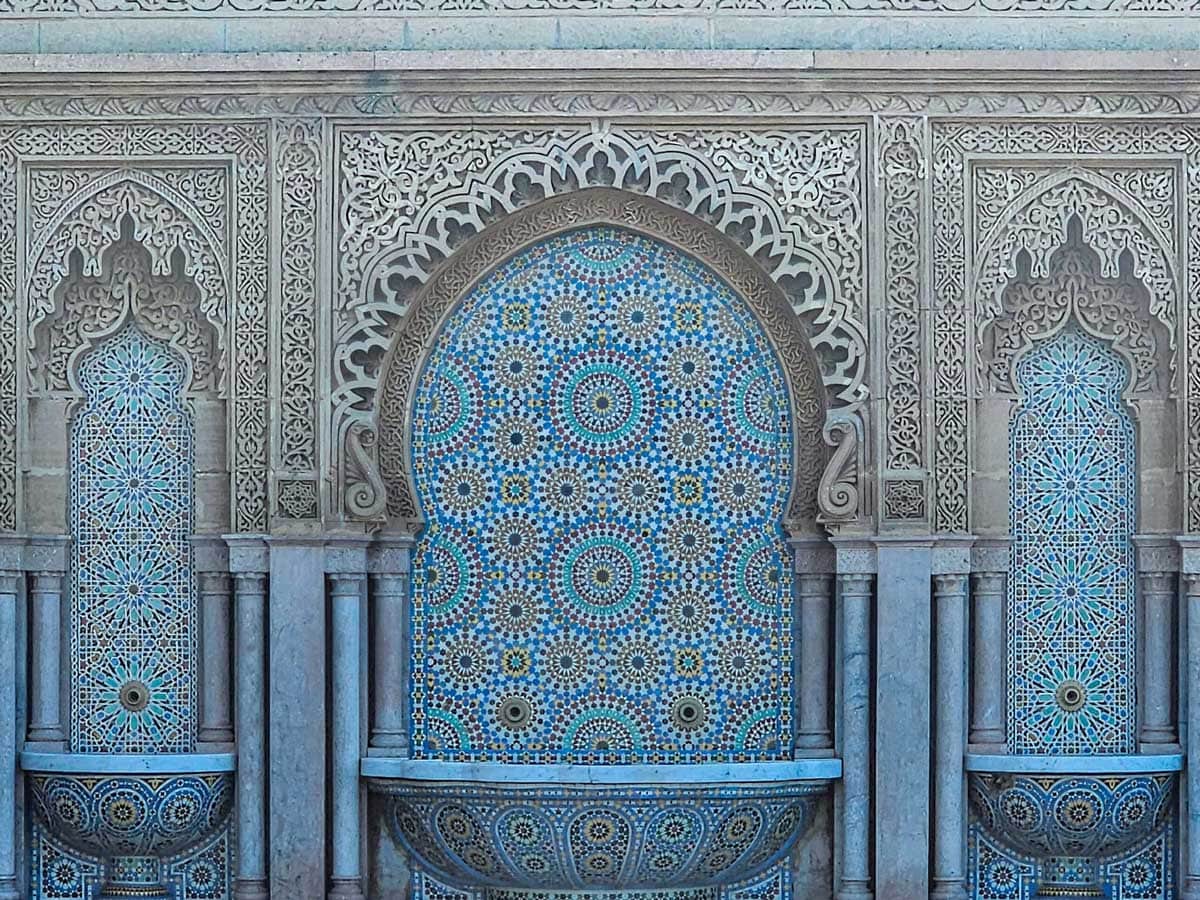
Moroccan style fountain with fine colorful mosaic tiles at the Mohammed V mausoleum in Rabat Morocco
Moroccan style fountain with fine colorful mosaic tiles at the Mohammed V mausoleum in Rabat Morocco
Historical Tile Eras
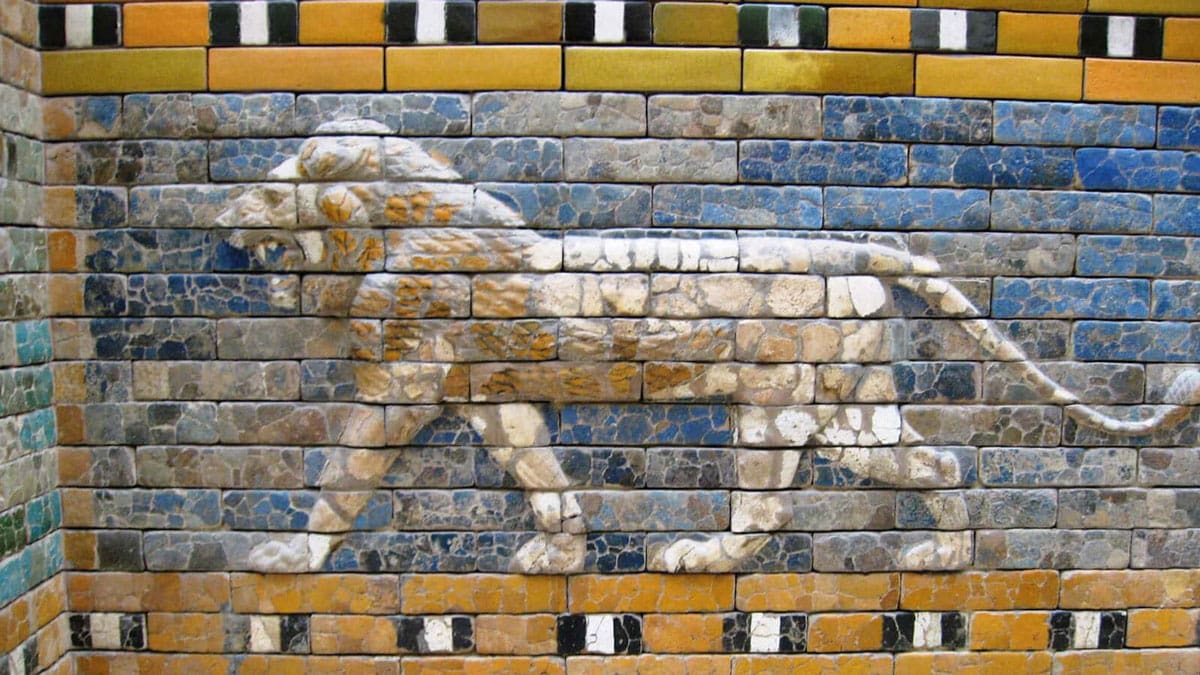
Ceramic Tile Origins
Early versions of tile first appeared thousands of years ago. Similar to modern ceramic tile, these early versions were made from naturally occurring regional materials. However, the specific materials, skills, tools, and production methods used for early versions of tile differ from those that are currently used.
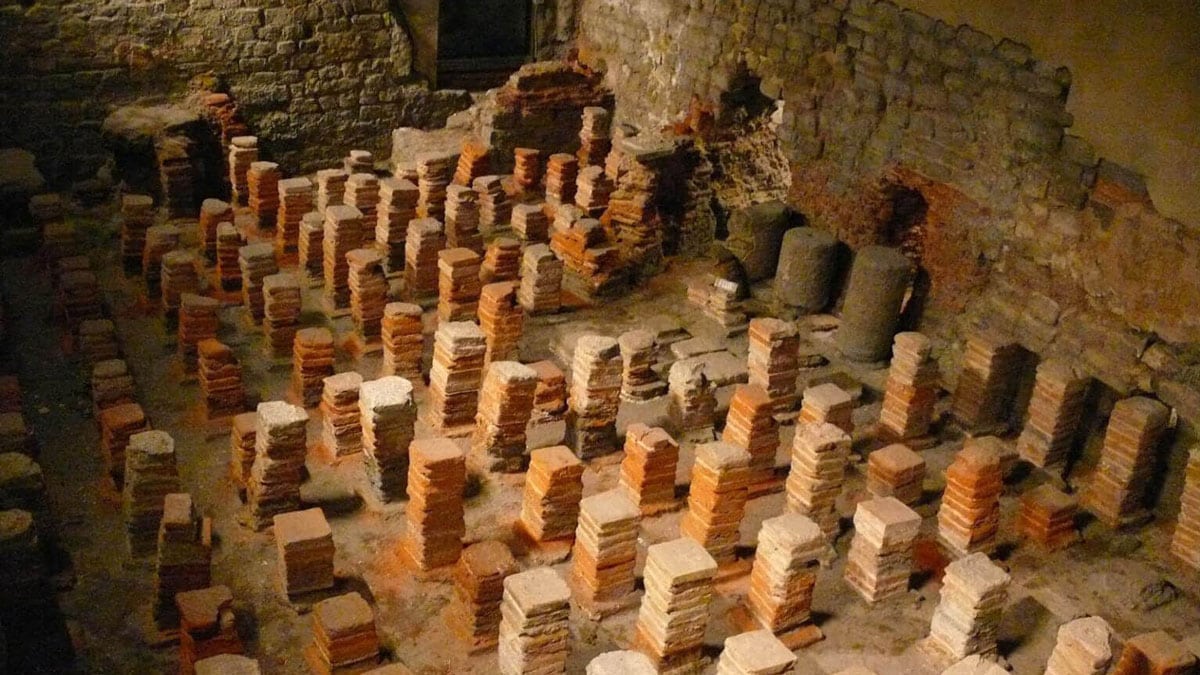
Ancient Roman Tile History and Inspiration
A number of ancient Roman buildings (circa 800 B.C. to A.D. 476) have been well-preserved and offer modern archaeologists insight about the Roman civilization and the construction techniques that were used.
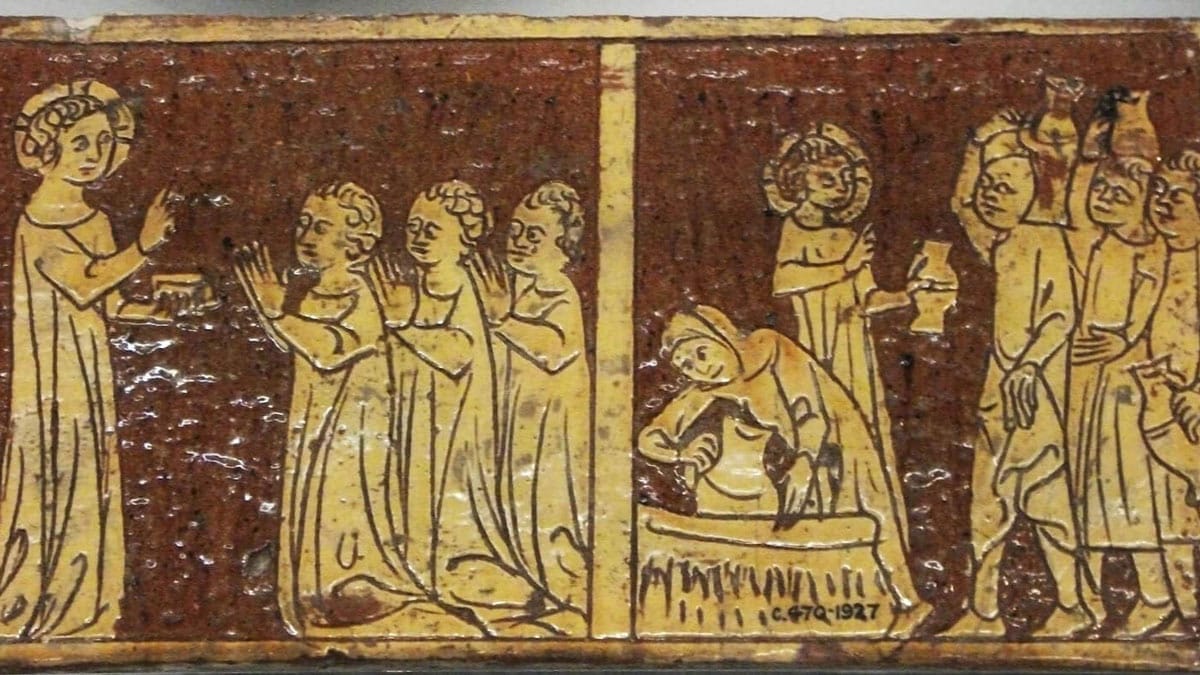
Medieval European Tile History and Inspiration
Medieval communities showed their devotion to the Church by building impressive religious structures, for which they turned to desirable materials, such as ceramic tile.
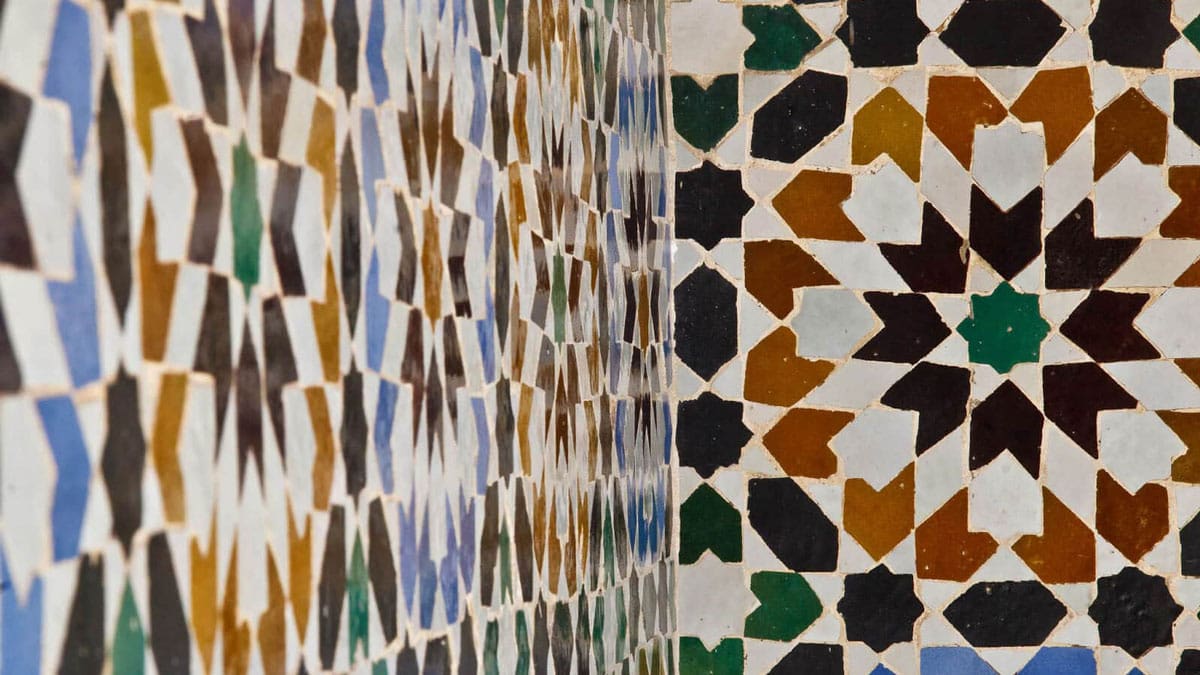
Moorish Tile History and Inspiration
The growth of distinctive artistic designs in Moorish tile was influenced by both the Islamic and Christian cultures.
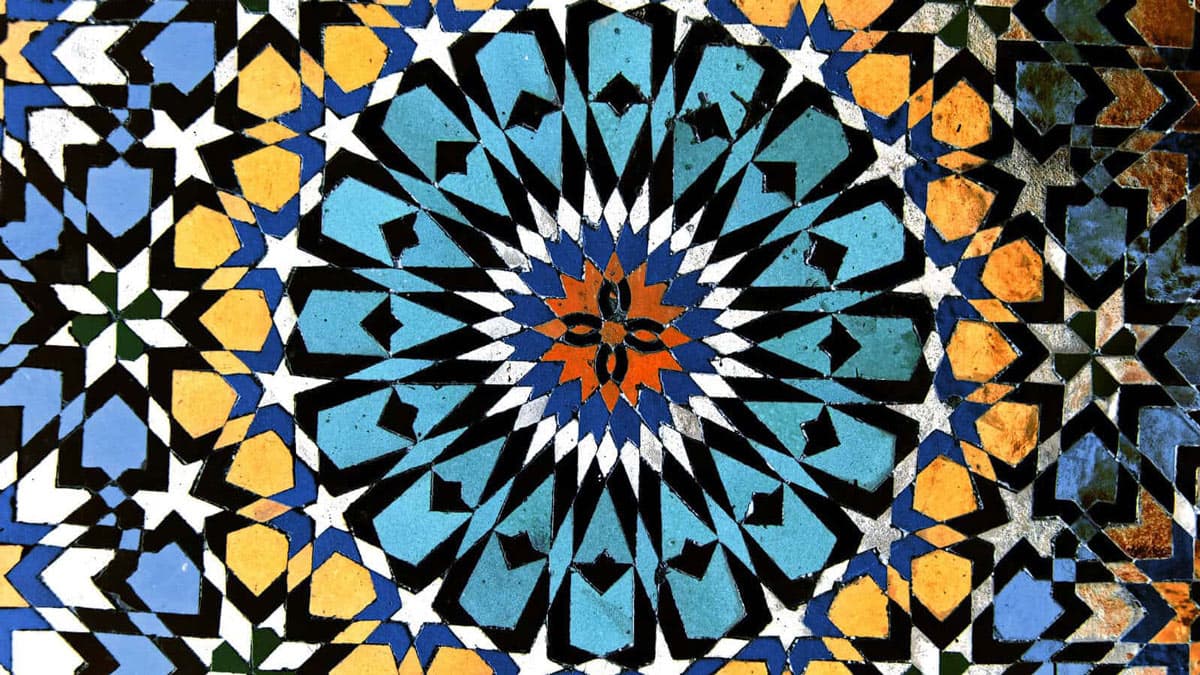
Islamic Tile History and Inspiration
Islam binds culturally and ethnically diverse groups of people, and its art follows suit, featuring intrinsically unifying characteristics.
Modern European Tile History and Inspiration
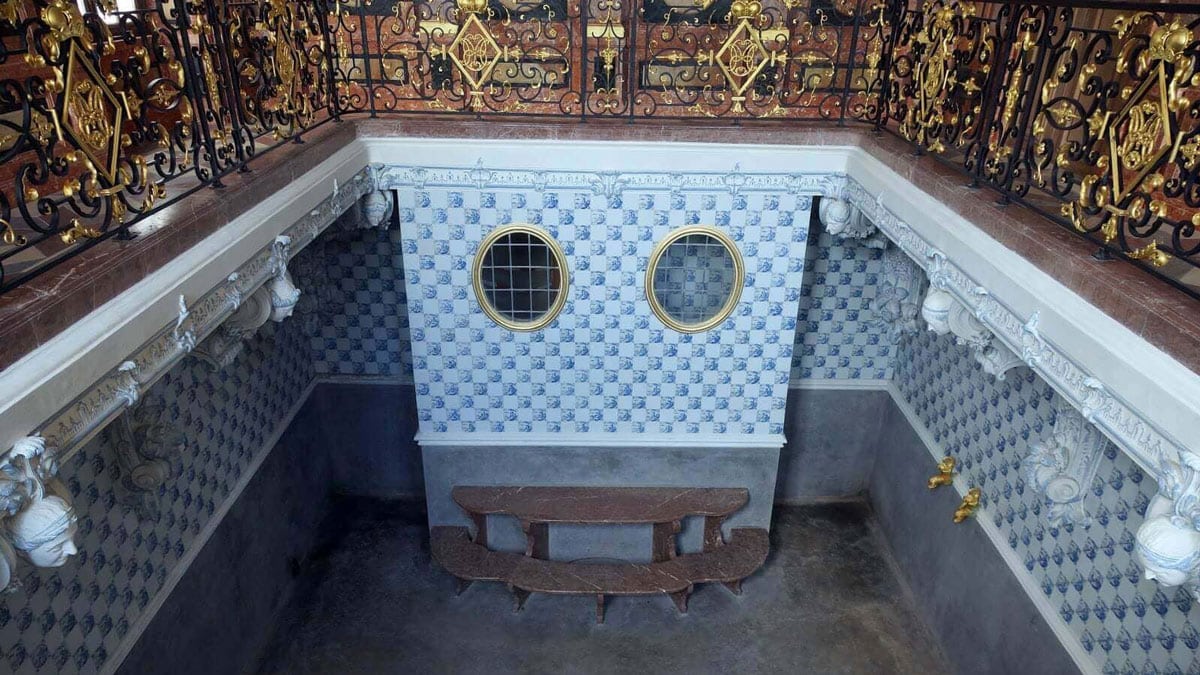
The period following the emergence of modern Europe saw the rise of Delft tile and Victorian tile. Their influence is still evident today.
