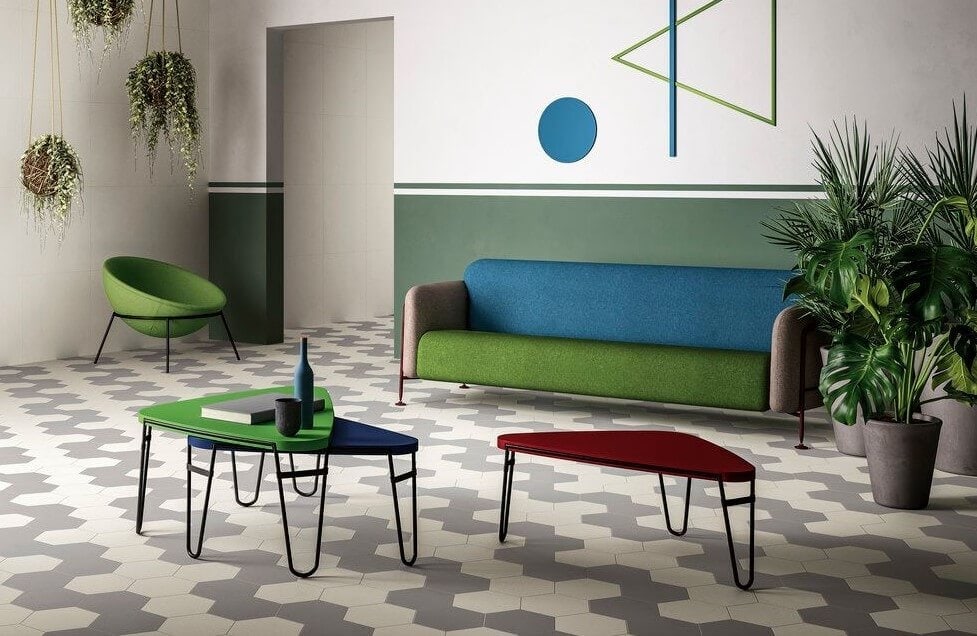
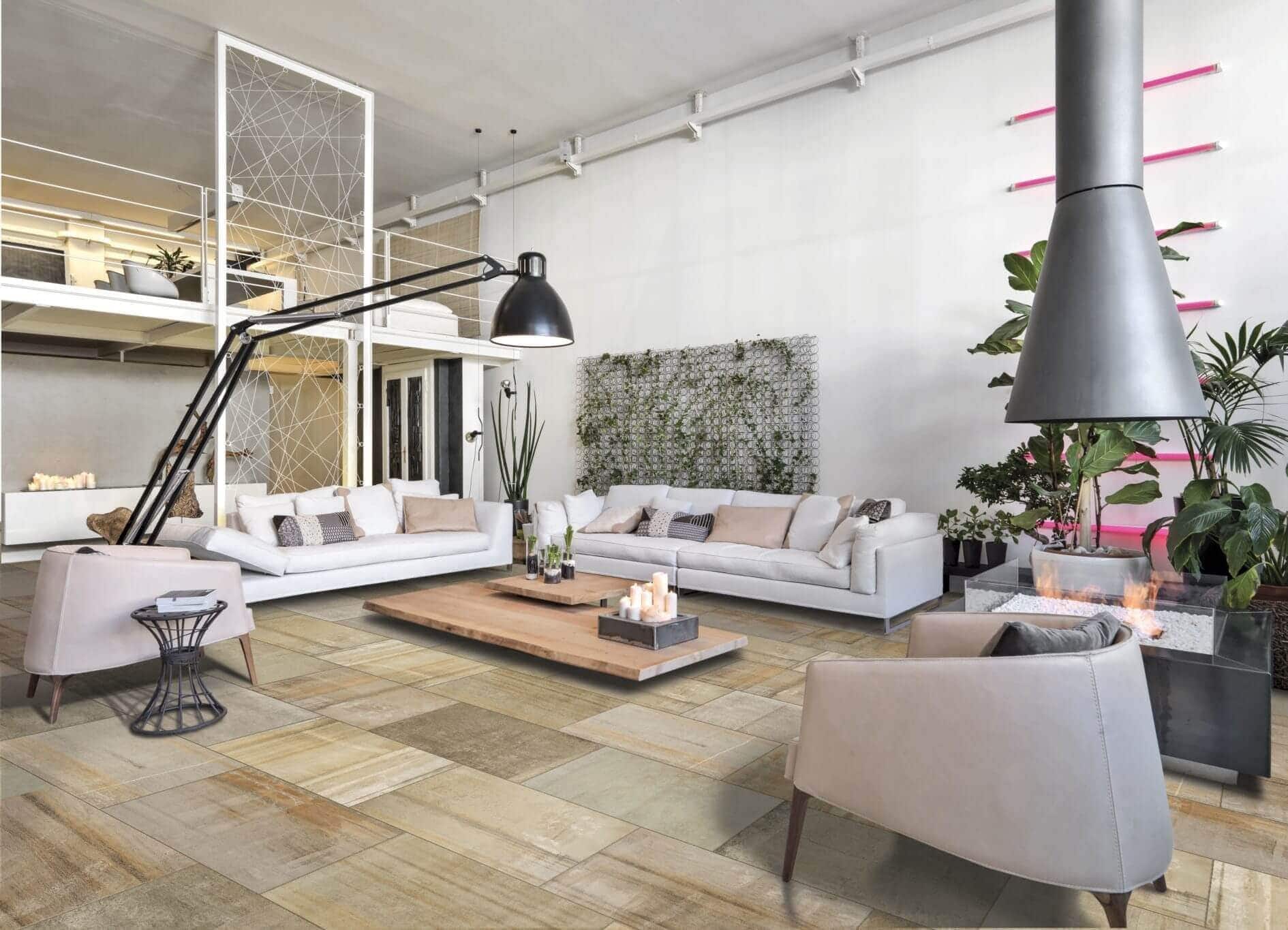
Ceramic Tile Shopping Guide
What to Know Before Buying Ceramic Tile
Pointers on “Tile” Language
We’ll guide you through the family of ceramic tile options that are ideal for a wide variety of purposes (residential to commercial) because of their durability, functionality, and versatile designs. While some nonceramic materials may use the word “tile” to refer to their products, those materials do not have the same characteristics or benefits as ceramic tile. It’s important to know what kind of material you’re purchasing to ensure that it will be the best choice for the intended application. For example, you might run into problems if you install a nonceramic material in your bathroom and are expecting the same waterproof installation system possible with ceramic tile. Keep in mind that ceramic tile can have many different looks (for example, marble-look ceramic tile), and some products may try to imitate ceramic tile (for example, vinyl “tile” products). Be sure to look at the product details to ensure that the material is ceramic.Why Choose Ceramic Tile?
Ceramic tile has long been a trusted choice for home and business projects alike. Ceramic tile costs less over its lifetime than other flooring types, has options appropriate for any application, can be manufactured in many looks and designs, and continues looking brand-new for decades. Additionally, ceramic tile is incredibly easy to care for and clean and promotes safety, sustainability, and hygiene. Whether you’re looking for a weather-resistant option for your outdoor space, installing an eye-catching kitchen countertop, or want to balance style and functionality in any space, ceramic tile has options to help you.Types of Ceramic Tile to Choose From
Ceramic tile is a family of different tile options. Each subset of the ceramic tile family is produced slightly differently and may consequently have additional benefits that lend themselves to a specific application. All ceramic tile types share the same set of benefits that ceramic tile is known for, such as durability, water resistance, and easy maintenance. The ceramic tile family includes:- Ceramic tile: “Regular” ceramic tile can be manufactured via extrusion or dry-pressing and comes in glazed and unglazed options. It generally qualifies as semi-vitreous (a water absorption of 3% to 7%).
- Porcelain tile: Porcelain tile can be extruded or dry-pressed and glazed or unglazed. Porcelain tile is defined as “impervious” (a water absorption of 0.5% or less). Additionally, large-format gauged porcelain tile panels/slabs can be as wide as 5 feet and as long as 15 feet. These large panels/slabs can help create a continuous look with fewer grout lines and are a new option for countertops and exterior facades.
- Quarry tile: Quarry tile is formed by extrusion and generally qualifies as vitreous or semi-vitreous. Quarry tile’s low water absorption and low price point paired with its durability, heat resistance, and frost resistance make it an economical flooring option that is a popular choice for commercial kitchens and outside spaces. Quarry tile is often red, but it is also available in tan, brown, gray, black, and other earth tones.
- Pressed floor tile: While these tiles may be used for other applications, they’re primarily intended for flooring. Pressed floor tiles are dry-pressed and have varying water absorption rates.
- Wall tile: Glazed tiles meant for wall applications may be nonvitreous (water absorption of more than 7%). Wall tiles are best suited for indoor use as they are not designed to endure freeze/thaw cycles, excessive impact, or abrasion.
- Ceramic mosaic tile: The technical definition of ceramic mosaic tile is any ceramic tile with a surface area of less than 9 square inches. Mosaic tile is also well-known for creative designs involving various colors, shapes, and textures. Ceramic mosaic tiles are often mounted in strips or sheets for easier installation.
Step 1: Where Will You Put Your Tile?
Inside or Outside
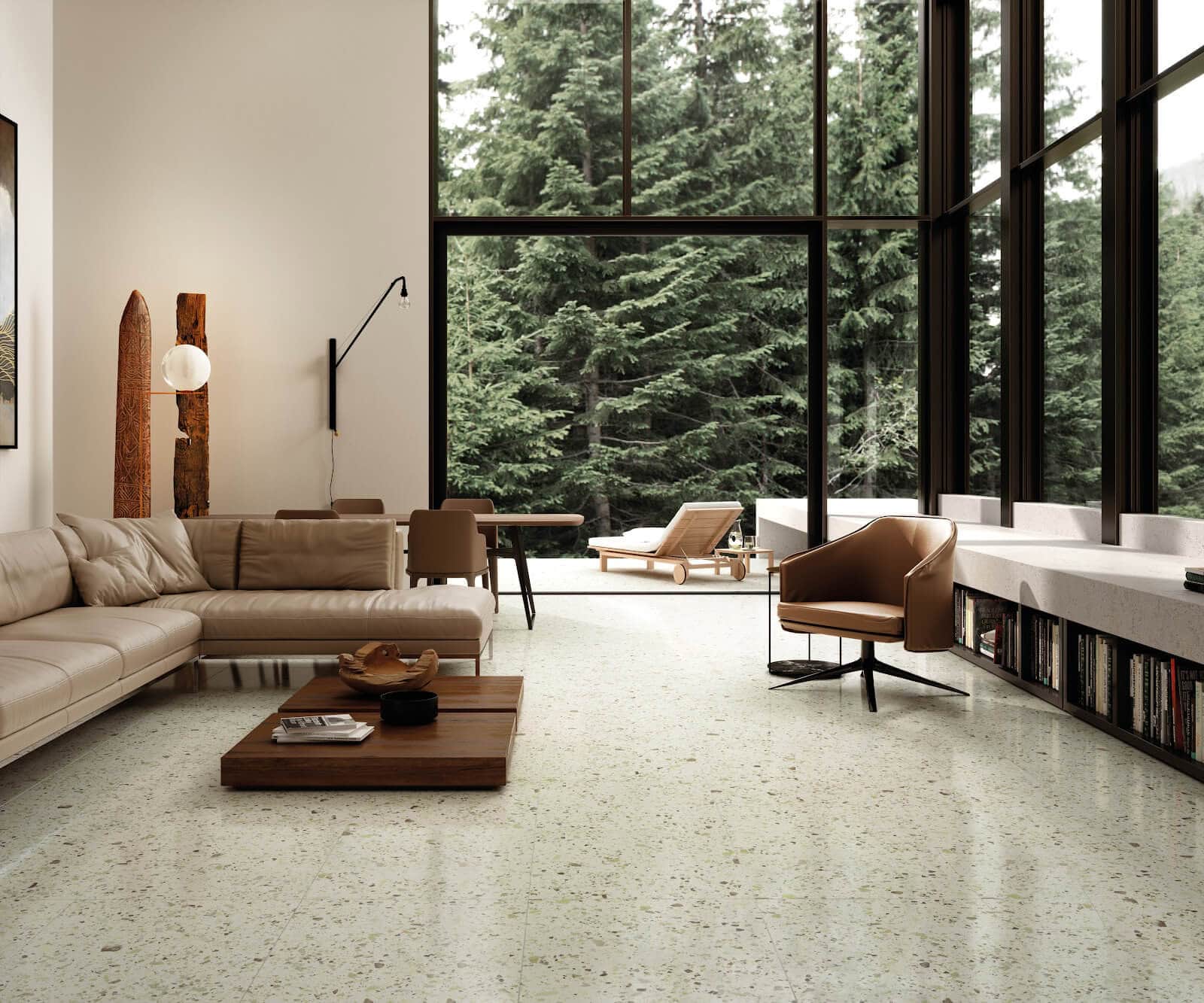
Ceramic tile’s durability make it a great choice for spaces that transition to outdoors.
On the Floor
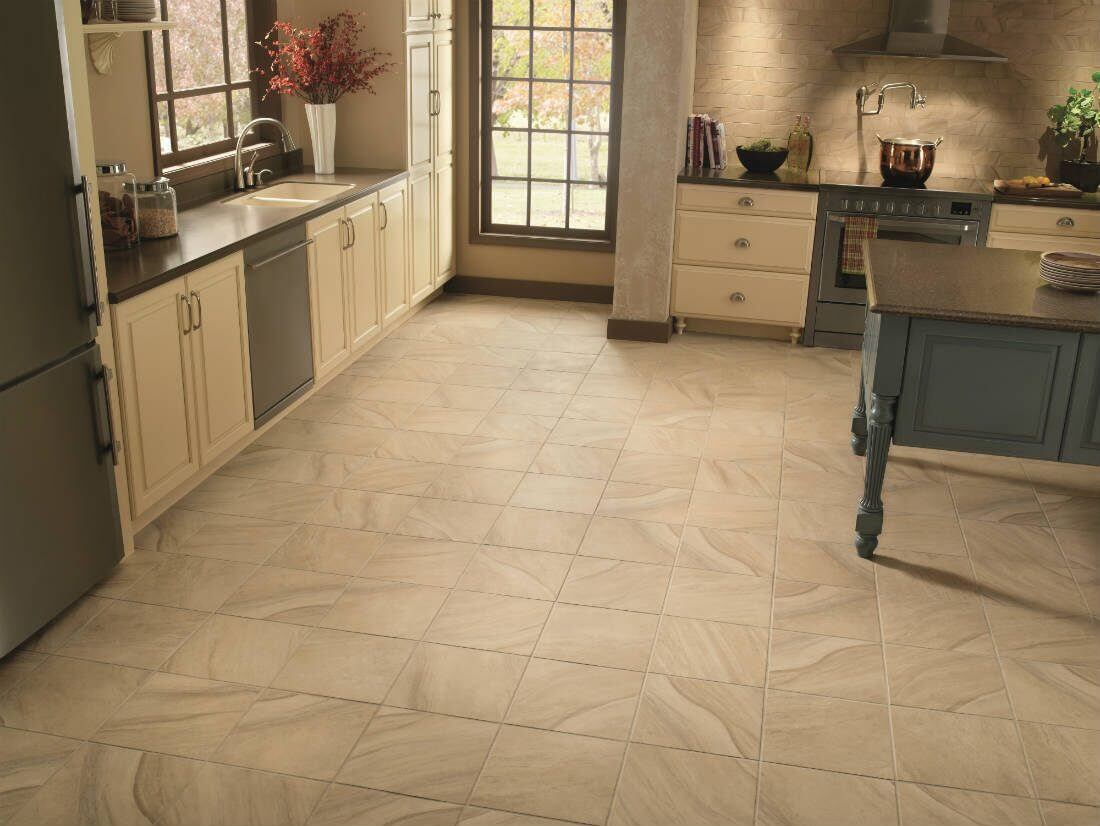
Ceramic tile flooring offers a waterproof installation system for use in areas exposed to moisture, making it a trusted choice for kitchens and bathrooms.
On the Wall
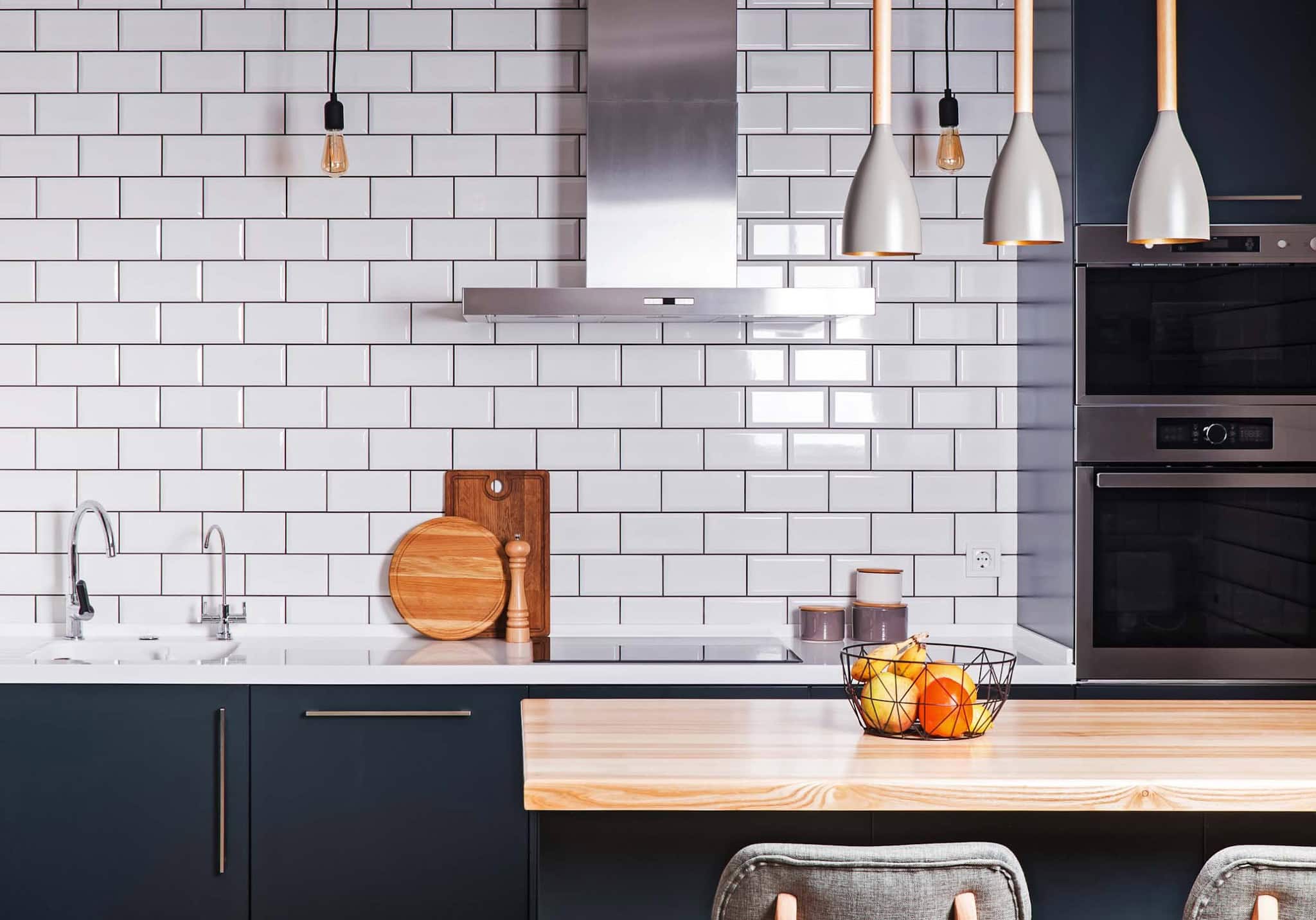
Wall and backsplash tile protect against water damage and stains from cooking.
Countertops
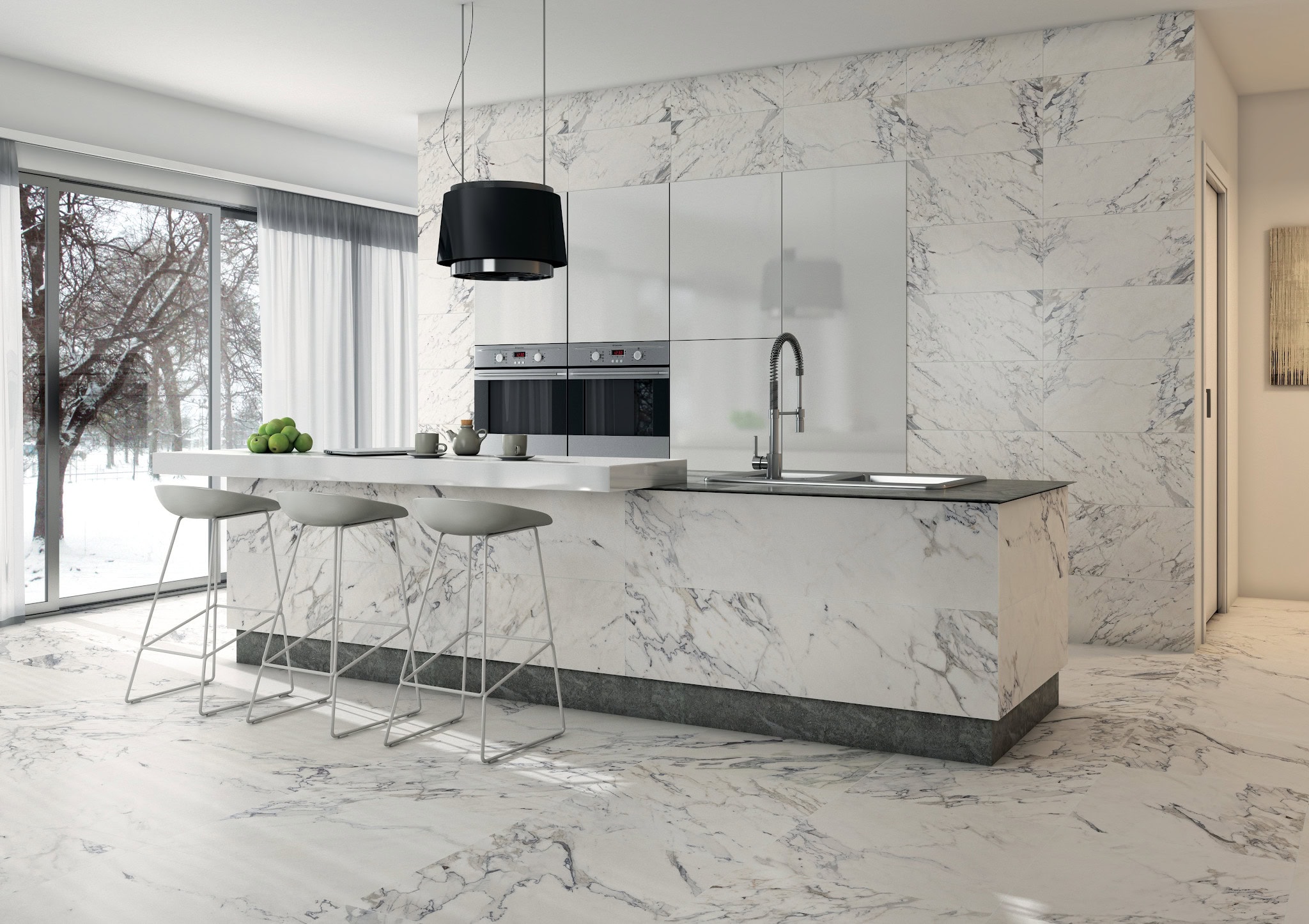
Countertops benefit from ceramic tile’s water, scratch, and stain resistance.
Roofing

Ceramic tile has been an attractive roofing choice for centuries.
Facades
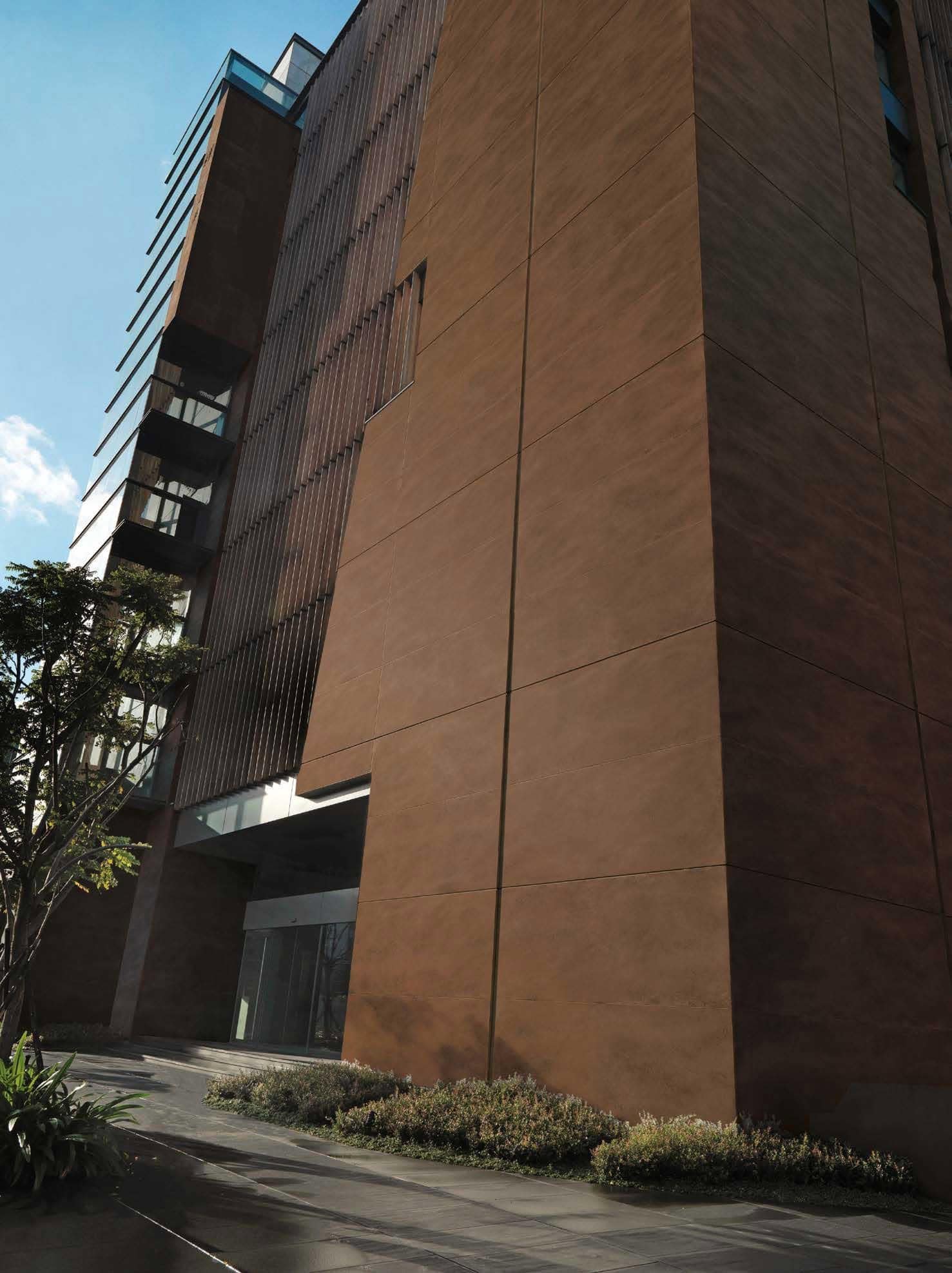
Make a great first impression with a ceramic tile building facade.
Step 2: What’s Your Budget?
Ceramic tile has the lowest life cycle cost when compared to nonceramic flooring materials, including natural hardwood, vinyl composite tile, marble, laminate, carpet, and sheet vinyl. Consider the durability and maintenance of your choice. A material that has resistance to scratching, staining, and fading, such as ceramic tile, will keep your surfaces looking their best year after year, while some nonceramic materials, such as LVT, may show more wear and need replacement more often than ceramic surfaces. Honestly assess your budget before shopping for tile, and share that number with your designer or sales professional. They can help you choose the ceramic tile that best meets your functionality, design, and financial needs. Keep in mind that the seemingly endless variety of shapes, sizes, colors, and designs of ceramic tile give you many possibilities at different price points.Step 3: What’s Your Style?
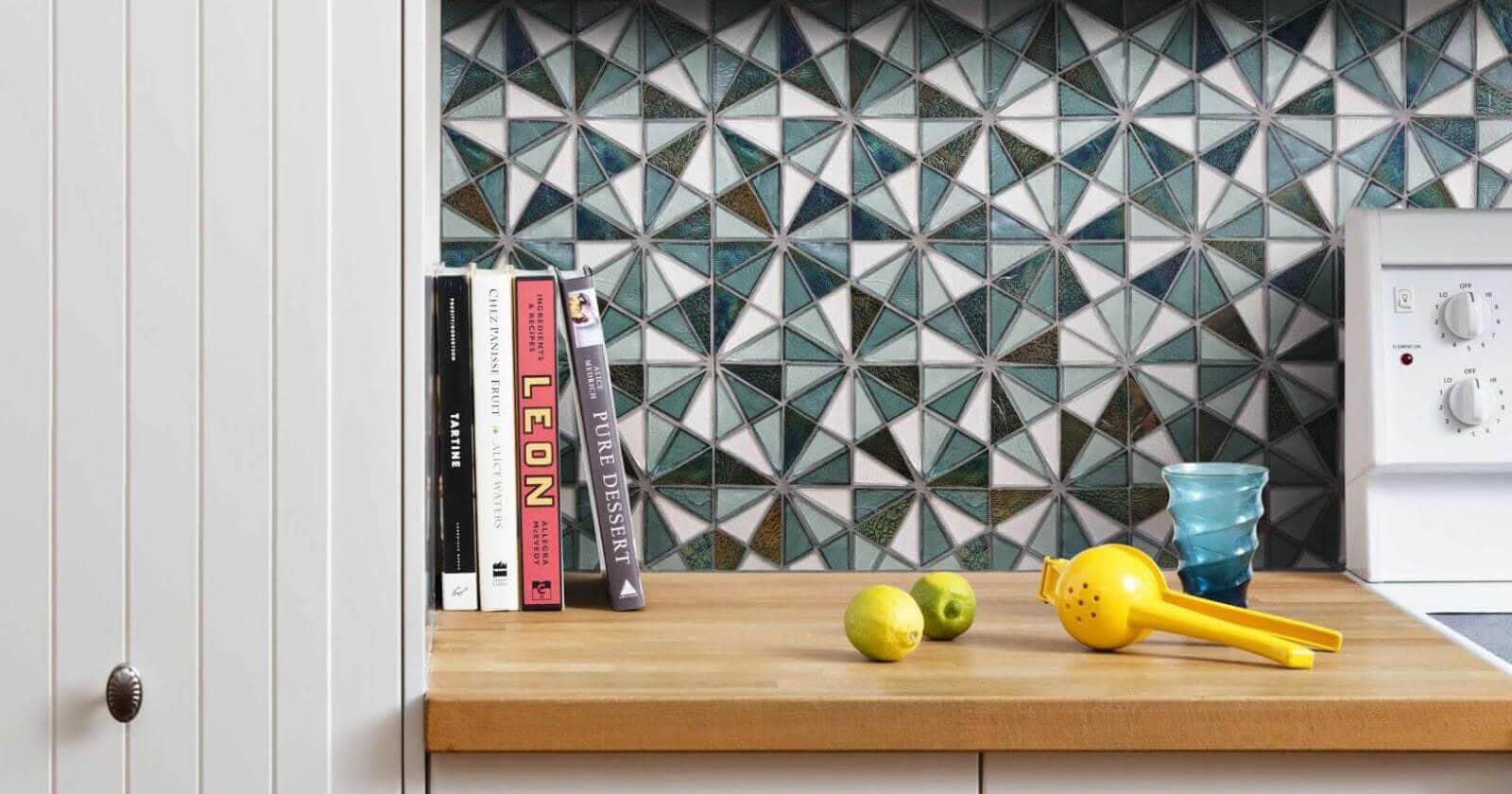
Nearly limitless style options make it possible to find the perfect ceramic tile design for your space and personal aesthetic.
- Color: Did you know that your tile color could affect your mood? Read our blog on tile color psychology to learn how different tile color options can influence/enhance certain feelings. Some favorites include black and white tile, tile in earth tones, pastels, and tile in both hot and cool shades. Maybe some of the latest color trends will appeal to you. Unlike many nonceramic options, you’ll find numerous options in ceramic tile in every color.
- Look: Modern tile manufacturing advancements can achieve the look of any material, from rustic terracotta styles to classic stone designs. We’ve created many lookbook blogs to help you find your favorite tile look, including options such as:
- Terrazzo and speckled surfaces
- Modernized marble and dark marble looks
- Industrial chic tile, including metal and concrete looks
- Refined natural wood looks
- Giant gemstones, including precious stone looks such as onyx and agate
- Mirror tile
- Biophilic tile
- XXL tile
- Pattern: You may opt for a pattern such as geometric designs, florals and leaves, or Art Deco-esque sunbursts. Patterns can have interlocking designs and may be used to create a wallpapered look.
- Texture: Three-dimensional and textured looks are also possible with ceramic tile. Explore our textured tile lookbook blog for ideas.
- Shape: Ceramic tile comes in a variety of shapes, ranging from triangles and fish scales to ever-popular hexagons and subway tiles. Choose your favorite tile shape (or shapes!), use different colors of tile to draw attention to your chosen shape, or arrange the shapes to create specific patterns — the sky’s the limit!
- Size: Go big with gauged porcelain tile panels/slabs up to 5 feet wide and 15 feet long, go small with mosaic tile less than 9 square inches, or choose any size in between. Intricate designs, such as tile murals, benefit from the versatility of mosaic shapes. Large designs, such as marble looks, are often used with gauged porcelain tile panels/slabs that utilize minimal grout lines.
Step 4: Pick a Layout Pattern
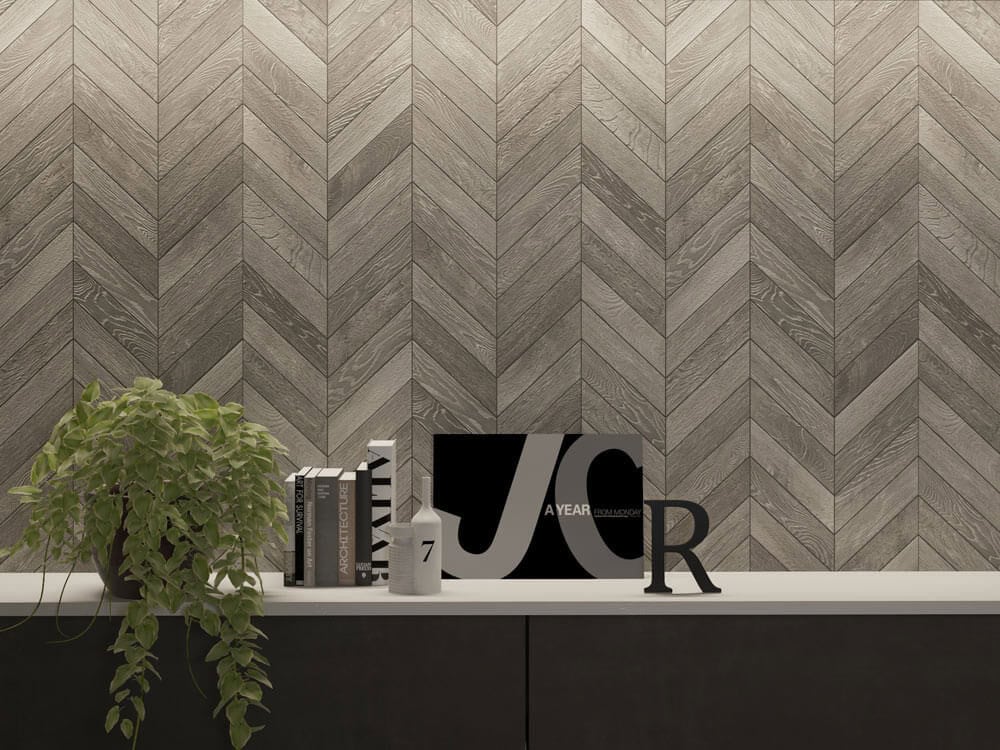
The way that you lay your tile helps you achieve a unique design.
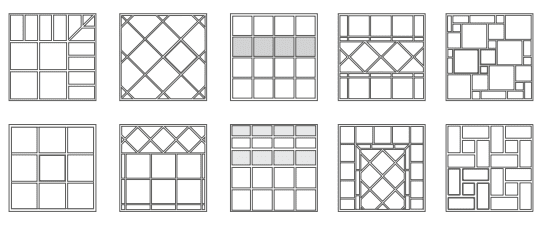
Our Ceramic Tile Layout Pattern Guide will make it easy to explore your various layout options.
Step 5: Don’t Forget the Grout
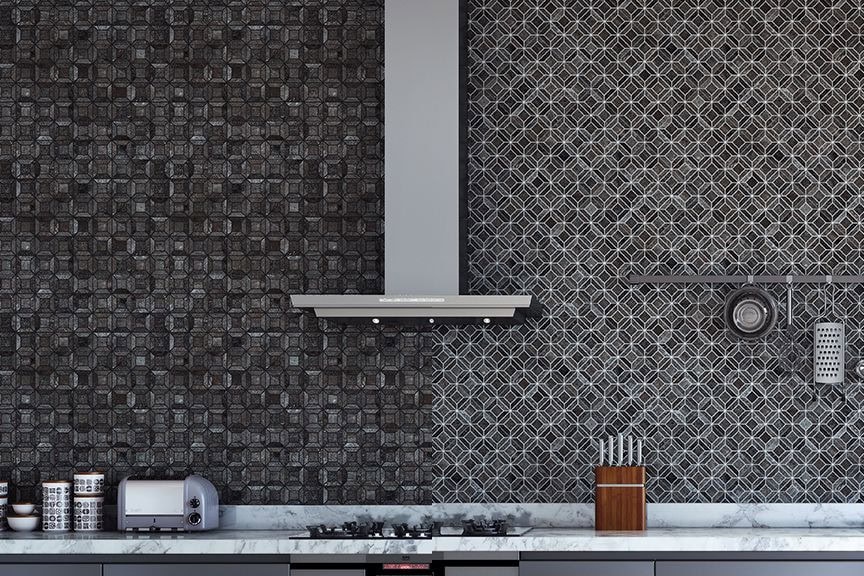
Note how big of an impact grout color can make on your tile design.
Step 6: How Much Tile Will You Need?
To determine how much tile to buy, consult your design or tile sales professional to ensure you have enough tile for your project, without too much left over (unless you want to try your hand at some tile crafts). Room shape, tile layout, and surface design can all affect how much tile you will need. Because ceramic tile is a specific size, you can be precise in your ceramic tile purchase to avoid wasted overages.How to Calculate the Square Footage of the Area to Be Tiled
Simply measure the length and width (in feet) of the area to be covered. Then multiple those two figures to get the square footage, or surface area. Length x Width = Square FeetHow to Calculate the Amount of Tile to Purchase
Determining how much square footage each box of tile covers will help you decide how many boxes of tile to purchase. [1.10 x Total Square Footage] / Tile Box Square Footage = Boxes of Tile (including recommended 10% extra) Adding 10% extra is important for appropriate centering of your layout, any breakage during installation or shipping, and also for cuts that are needed during installation. If you are using a tile with an integrated surface design, you may need to add even more to allow for matching the design appropriately. Having a little extra tile on hand is also smart in case you want to do any remodelling in the future, as dye lots and availability may vary.Step 7: How to Find a Tile Installer
Tile surfaces are an investment, and tile installation is a craft. Your ceramic tile needs to be installed correctly in order to function as expected. While some tile projects are perfect for the evening and weekend DIYer, if you do plan to hire a tile installer, you want to ensure they are qualified to perform the job. To protect your investment and ensure your tile functions at its best for years to come, look to hire a tile professional that:- Operates a legitimate business with reasonable business practices and a policy of standing behind their work
- Carries all required business licenses and insurance
- Has a traceable business location so customers can be sure post-installation questions and issues are addressed and resolved
- Has a track record for quality and service: ask for customer references and recommendations from suppliers and peers
- Has a portfolio of completed projects
- Participates in continuing education necessary to stay up to date on current building codes, regulations, standards, materials, and methods
- (Bonus points) Participates in tile industry programs or associations known for their continuing education, such as:
Read More: What You Need to Know Before Hiring Anyone to Install New Tile Floors and Walls
Get Started
Ready to start tile shopping? Download our Tile Buying Guide to take with you to the showroom or share with your designer or contractor. Having this resource at hand will make it easier to remember all of the above steps with space to take notes during the process.
About the Author: Cynthia Faber Smith