
Sustainability Guide
Learn about the tile industry’s commitment to material transparency and compliance, including green building programs.
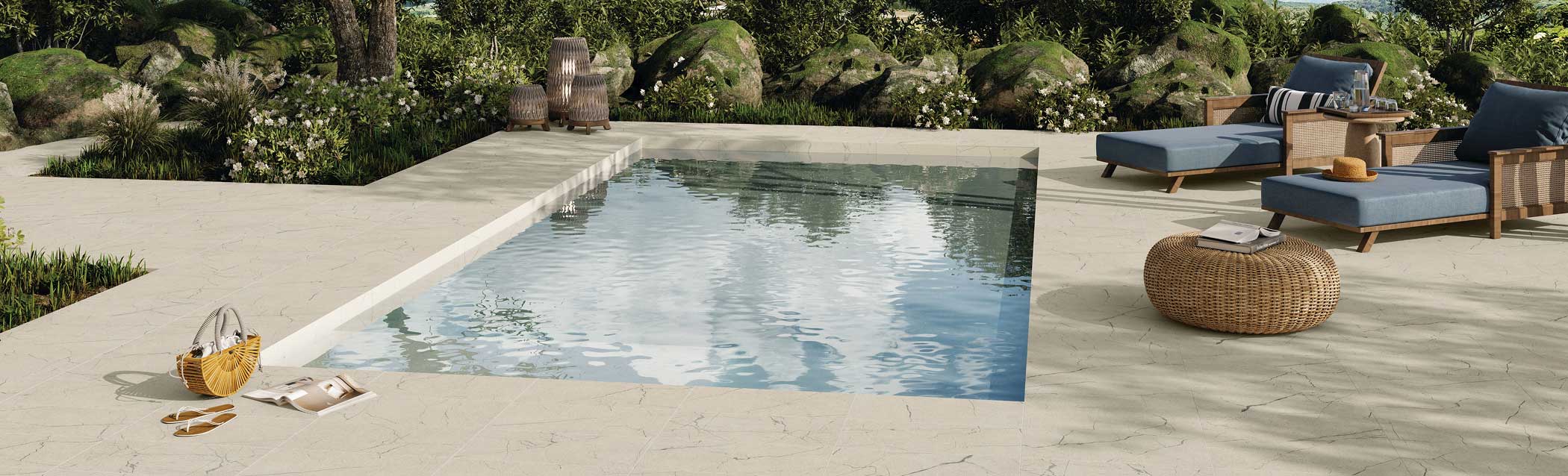
Ceramic Tile for a Safe and Healthy Environment
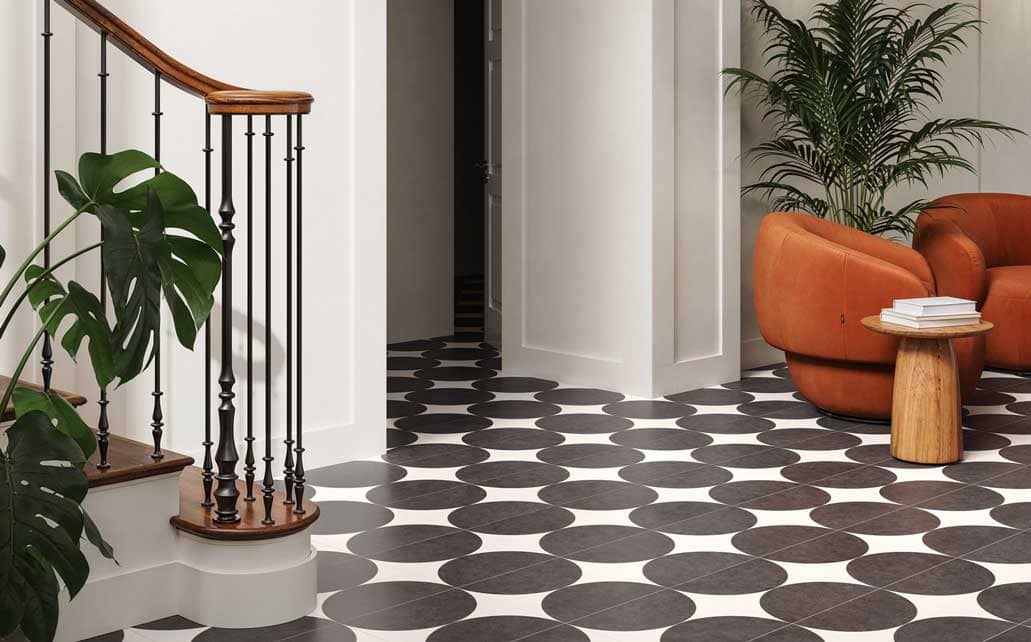
Creating a healthy indoor environment matters more than ever. Ceramic tile (including porcelain, quarry, wall tile, and pressed pavers) is one of the cleanest, most hygienic flooring and surfacing materials available.

Easy to clean
Most messes wipe away easily with just clean water. No harsh chemicals are typically needed for routine maintenance.

Resistant to Bacteria and Mold

Antimicrobial

Allergen-Friendly

Excellent Indoor Air Quality

Fire-Resistant and Nontoxic in Fires

Made from Natural Materials
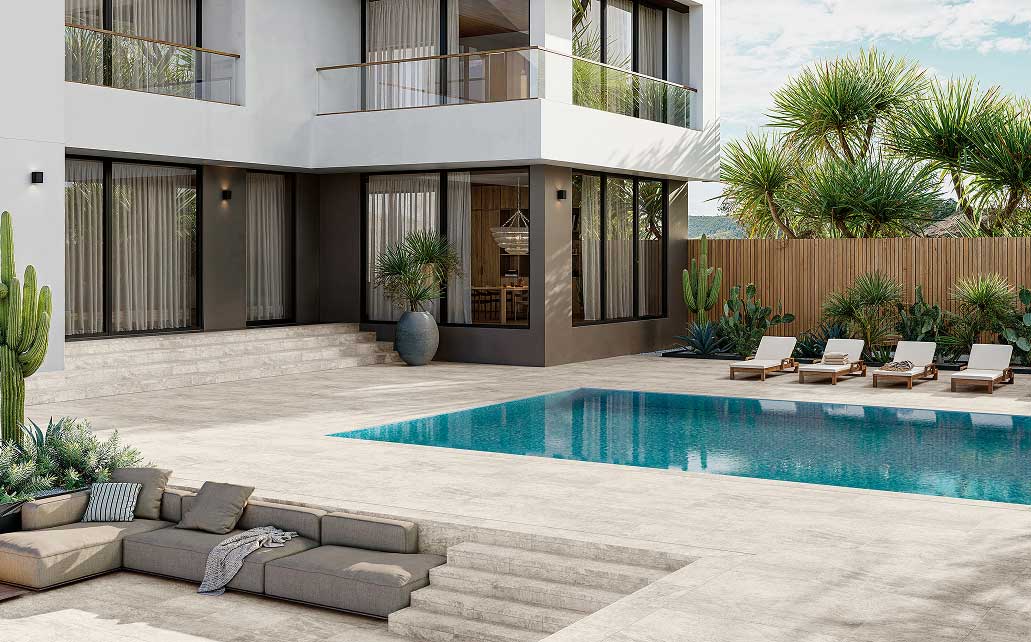
Easy to clean and durable, ceramic tile stands up to everyday life.
Ceramic tile delivers outstanding long-term value through durability, energy performance, and responsible manufacturing.
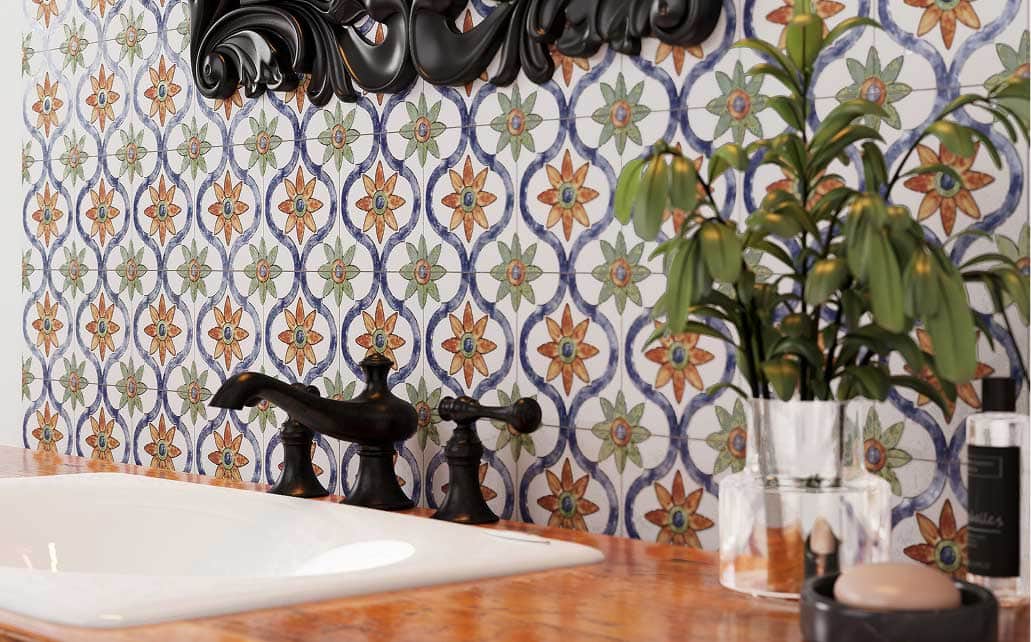
Exceptional Life-Cycle Value
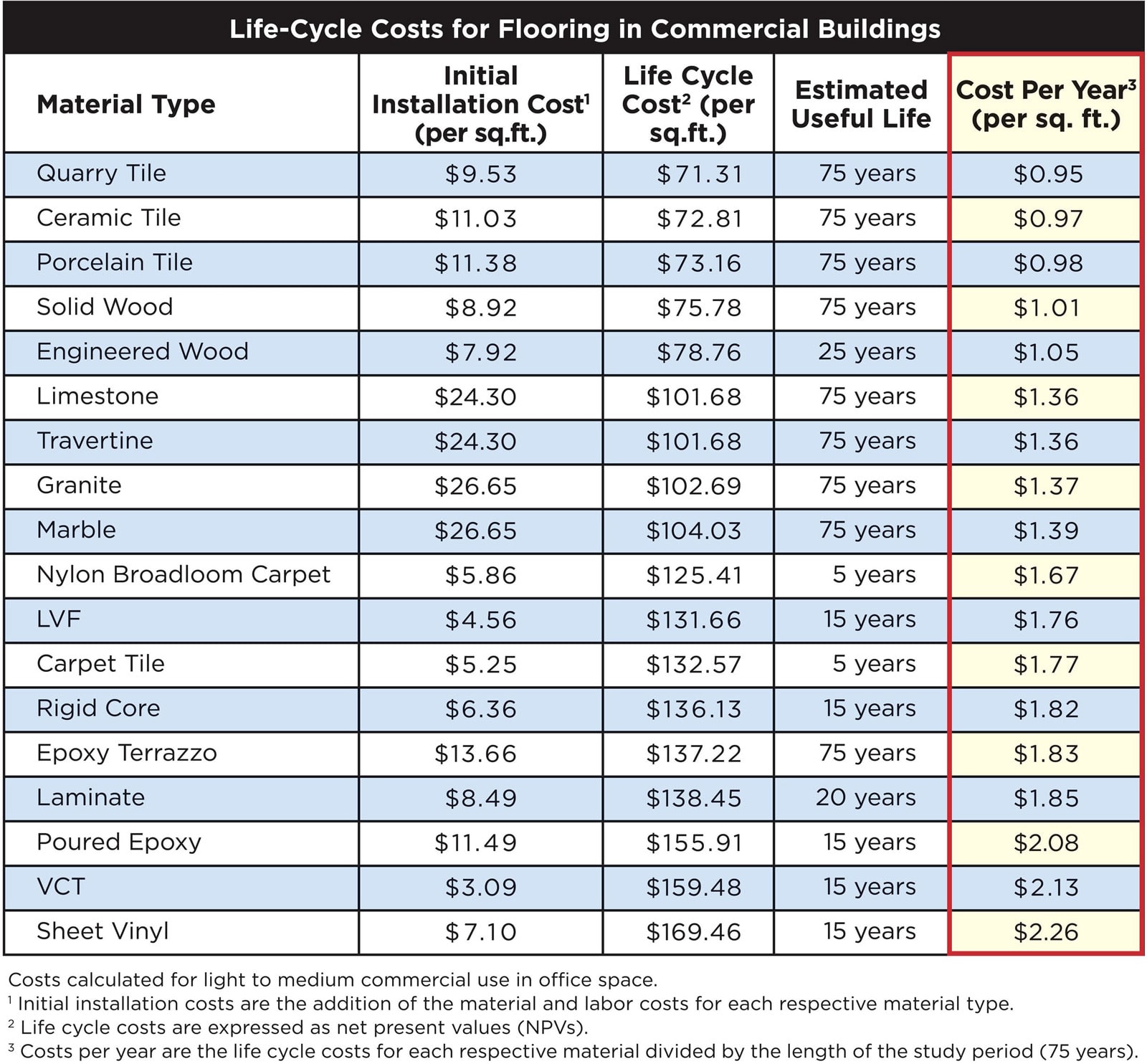
Ceramic tile is built to last the life of the building. Its superior durability means far lower replacement, maintenance, and refinishing costs compared to carpet, vinyl, laminate, and other materials. See the life-cycle cost study below for data on how ceramic tile outperforms other floor finishes in cost per square foot over time.
Regional Sourcing & Reduced Transport
With manufacturing across North America and raw materials (primarily abundant clays) often sourced within 500 miles of production facilities and job sites, ceramic tile significantly reduces shipping-related energy use and emissions.
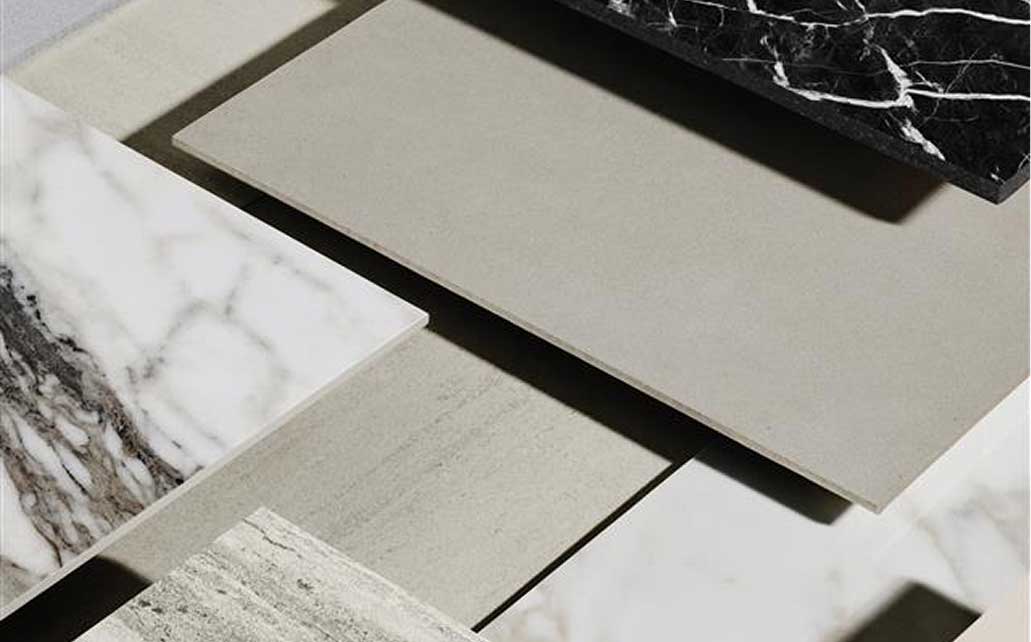
Energy Savings & Performance
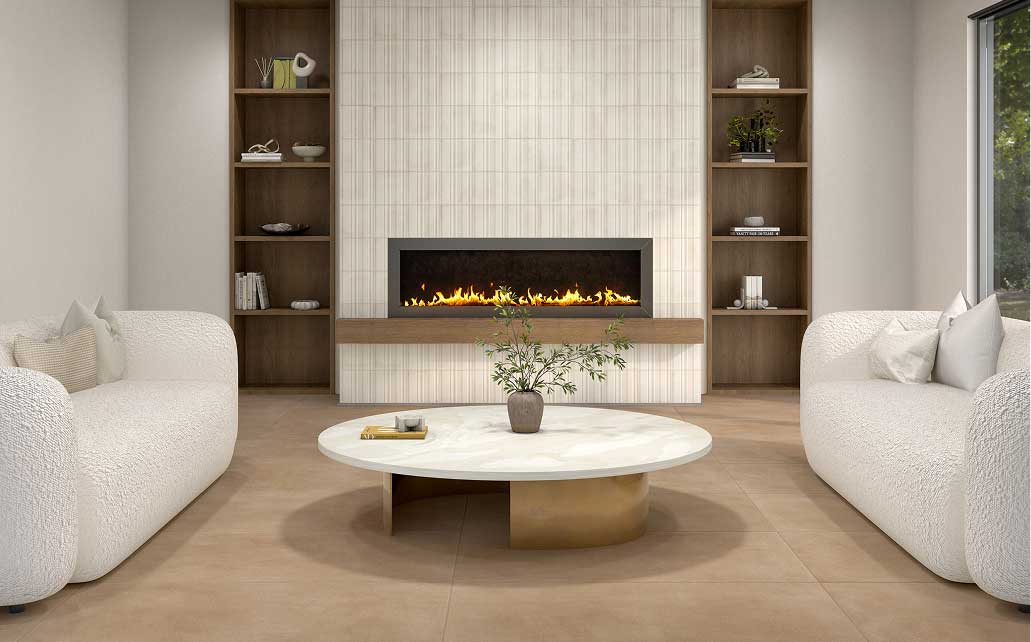
Thanks to its high thermal mass, ceramic tile helps moderate indoor temperatures and reduce heating and cooling energy demands. It is also an excellent material for ventilated façade systems, where the chimney effect can lower a building’s overall energy consumption by 20–30% by expelling heat in summer and improving insulation performance in winter.
Mitigates Urban Heat Island Effect
Light-colored ceramic tiles reflect more solar energy than traditional paving, helping lower surrounding temperatures. This is an important feature for green building standards in urban areas.
Recycled Content & Waste Reduction
Many modern tile plants operate as near closed-loop facilities with high recycling rates and minimal waste. Installed tile is also readily salvaged during renovations and often qualifies for clean fill or other reuse options.
Life Cycle Cost Savings
An independent study by Emily Lorenz, PE, F-ACI, commissioned by the Tile Council of North America, compared 18 flooring types over a 75-year period in a commercial office setting. The analysis included initial installation, maintenance, and replacement costs.
Results showed all ceramic tile options deliver the lowest long-term cost, making tile more economical than vinyl, carpet, epoxy, and most other popular flooring choices. To see all the analyses, refer to the author’s full report.
Low Environmental Footprint
Environmental Product Declarations (EPDs) are standardized, third-party verified reports that provide transparent data on the environmental impacts of building products. For ceramic tile, grout, and mortar, they clearly demonstrate strong performance and excellent sustainability — whether your project is residential or commercial.
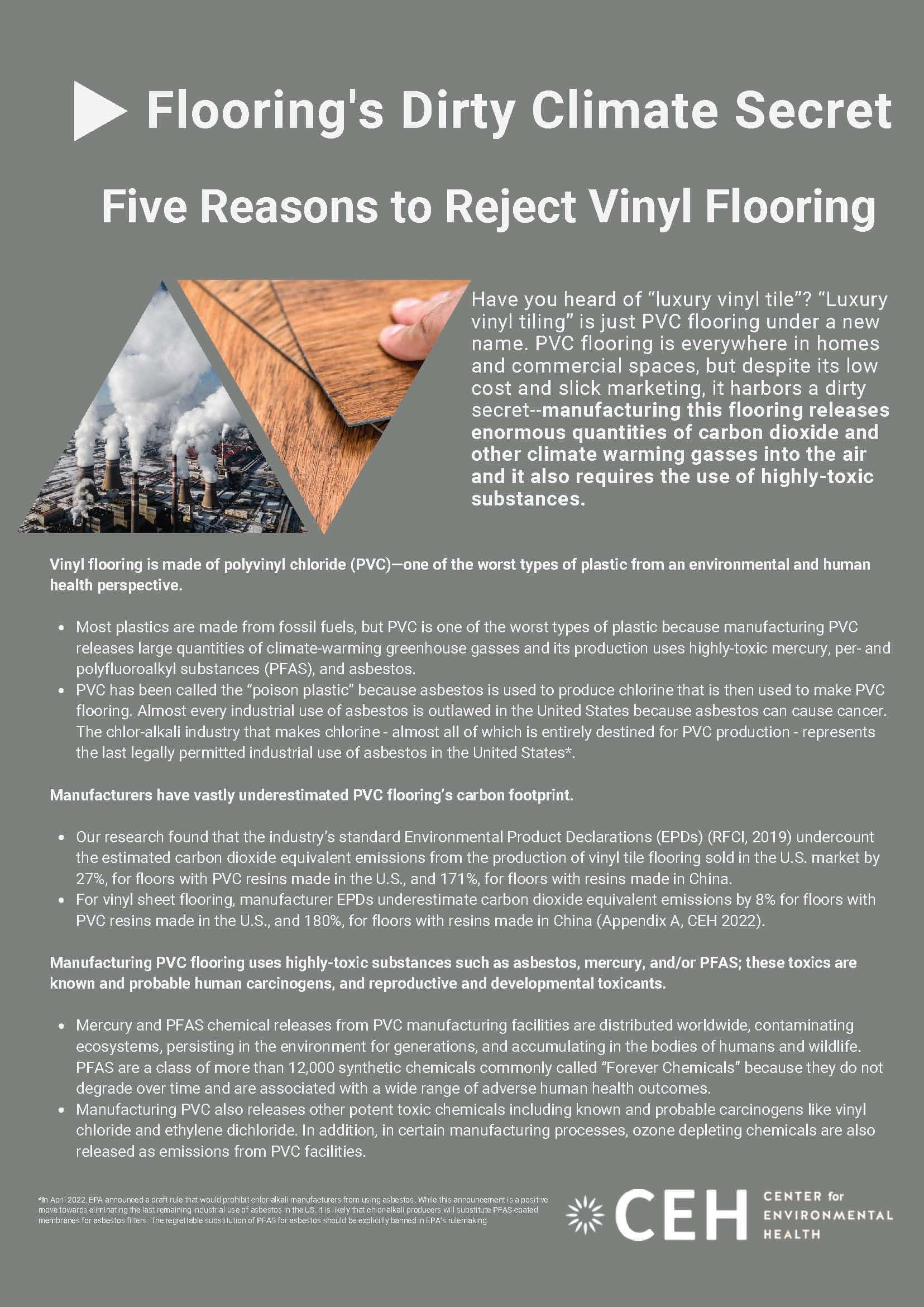
North American ceramic tile shows very low environmental impacts over a 75-year period per installed square meter. When compared to other flooring types using the same Product Category Rules and building service life, it has the lowest overall environmental impact across all categories.
Performance Highlights
- Lowest Global Warming Potential (GWP) and Embodied Carbon: Ceramic tile has the lowest 75-year GWP — the main measure of embodied carbon — among major flooring options evaluated under the 2018 North American Flooring PCR (UL 10010-7).
- Lowest Fossil Fuel Resource Depletion: Ceramic tile significantly outperforms plastic-based flooring materials in fossil fuel consumption.
- Direct Comparisons to Vinyl and Rigid Core:
- Vinyl tile’s 75-year GWP is 2× higher and fossil fuel resource depletion is 3× higher than ceramic tile.
- Rigid core board’s 75-year GWP is 3× higher and fossil fuel resource depletion is 5× higher than ceramic tile.
Industry-Wide EPD
Over 85% of North American ceramic tile is covered by a single industry-wide EPD. This report represents the environmental footprint of the entire North American ceramic tile industry and shows substantially lower impacts than UL Certified EPDs for plastic-based flooring such as luxury vinyl tile and rigid core products.
Why Cradle-to-Grave Matters
A full cradle-to-grave assessment includes production, construction, use, maintenance, replacement, and end-of-life stages. Because ceramic tile lasts the life of the building, it avoids the repeated environmental burdens of materials that must be replaced multiple times. This long service life makes ceramic tile both cost-effective and one of the best options for reducing total embodied carbon, resource use, and demolition waste.


Material Ingredient Guide
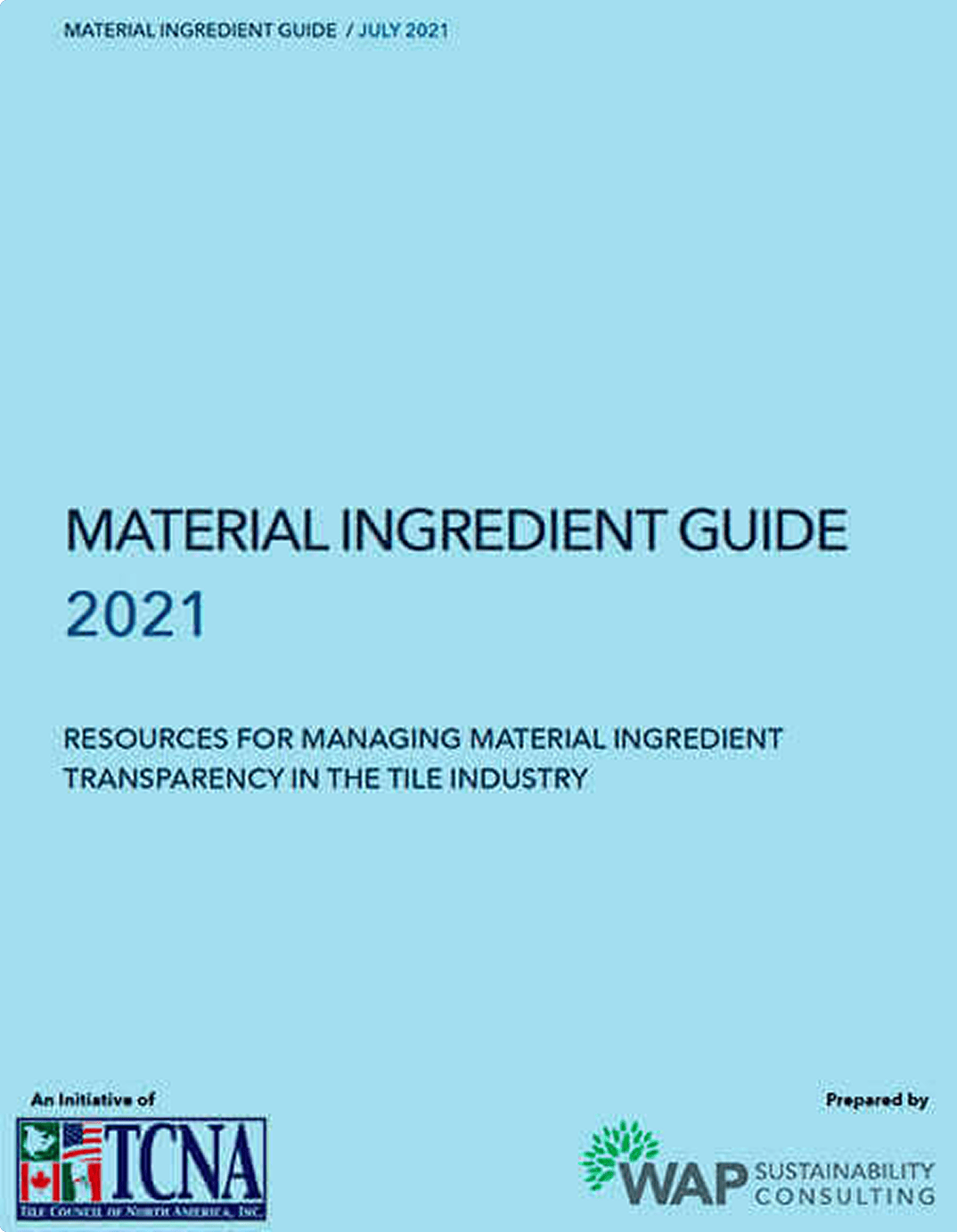
The Tile Council of North America (TCNA), together with 17 North American tile manufacturers, collaborated with WAP Sustainability to develop GreenScreen Assessments® for the vast majority of material ingredients used in ceramic tile, mortar, and grout. GreenScreen® is a globally recognized tool for evaluating benchmark chemicals and their associated hazards.
This industry-wide effort resulted in the largest crowdfunded collection of GreenScreen Assessments® ever created in a first-ever TCNA Material Ingredient Guide.
What the Guide Provides
- Guidance for manufacturers developing material ingredient reports
- A comprehensive list of the most commonly used ingredients by North American manufacturers, with references to detailed chemical assessments
- Practical insights for meeting green and healthy building criteria
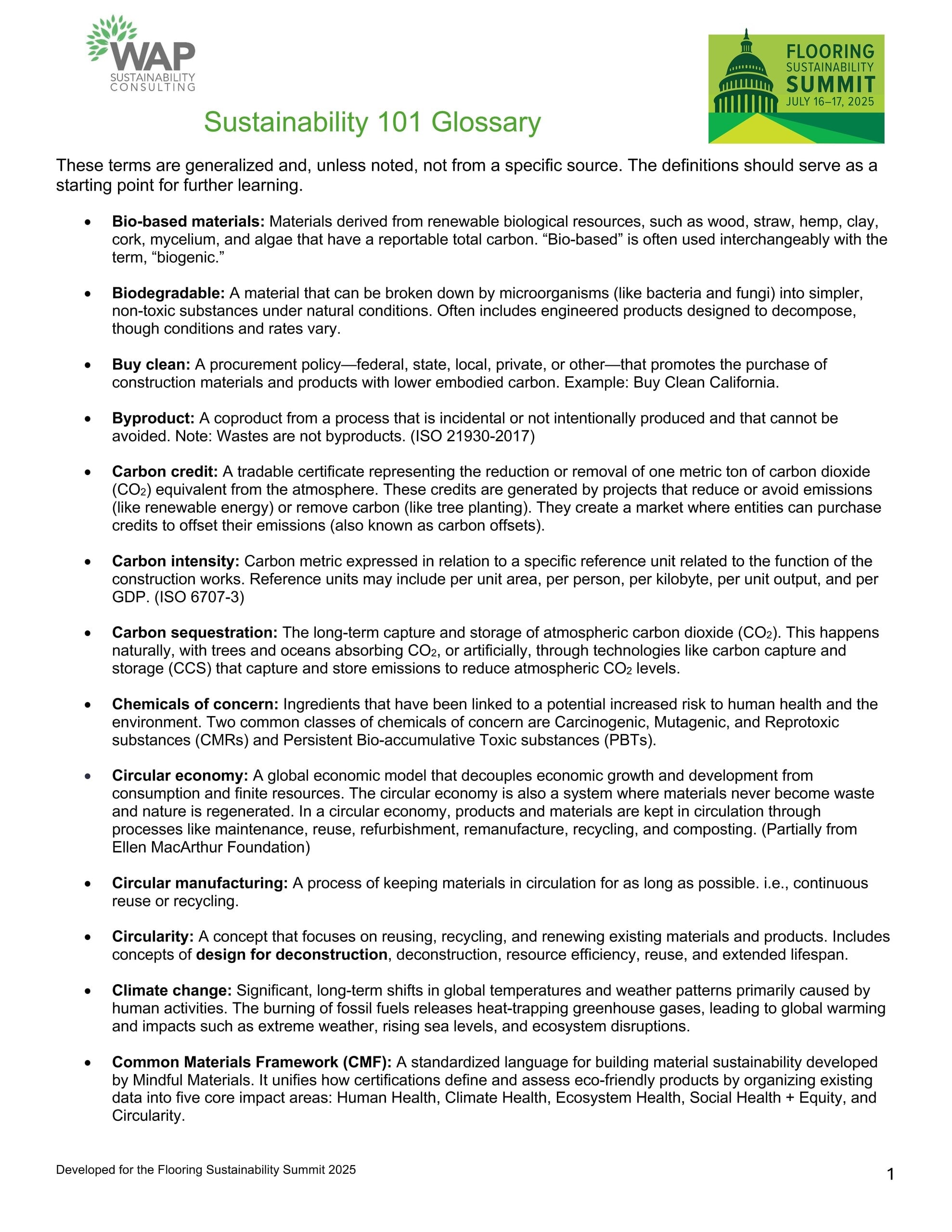
The Material Ingredient Guide demonstrates the ceramic tile industry’s strong commitment to consistency, thoroughness, and transparency. It builds on other initiatives such as Environmental Product Declarations (EPDs) and Green Squared® certification.
Using the guide makes it easier for manufacturers to reference benchmarks when creating Manufacturer Inventories (MIs) and Health Product Declarations (HPDs). These documents help projects earn credits under LEED, WELL, Living Building Challenge, and other green building programs. Manufacturers who participated in the project can also obtain third-party verification of their HPDs/MIs, adding further credibility and material transparency.
Green Squared Certified
Green Squared® is the world’s first multi-attribute sustainability standard and certification program for tile and the associated products needed to install tile, which includes ceramic and glass tiles, mortars, grouts, backer-boards, membranes, and other installation materials.
Based on the American National Standard ANSI A138.1, it independently verifies products across the full life cycle (cradle to grave) using these key evaluation areas:
- Product Characteristics
- Raw Materials & Manufacturing
- End-of-Life Management
- Corporate Governance
- Innovation
Instead of relying on single-attribute claims, Green Squared provides one comprehensive, third-party verified certification.

Why Choose Green Squared Certified Products?
For architects, designers, builders, and homeowners, Green Squared offers one trusted, recognizable mark of sustainability. It simplifies specification, helps earn credits in major green building programs like LEED, Green Globes, IgCC, NAHB, and GSA, and provides confidence that the products meet rigorous, third-party verified standards across the full product life cycle.
Why Get Certified as a Manufacturer?
- Demonstrates leadership in environmental and social responsibility
- Strengthens market position with architects and green building projects
- Enhances competitiveness in an increasingly eco-conscious marketplace
- Increases product exposure through inclusion on major platforms such as Ecomedes and other green building databases

Sustainability Case Studies
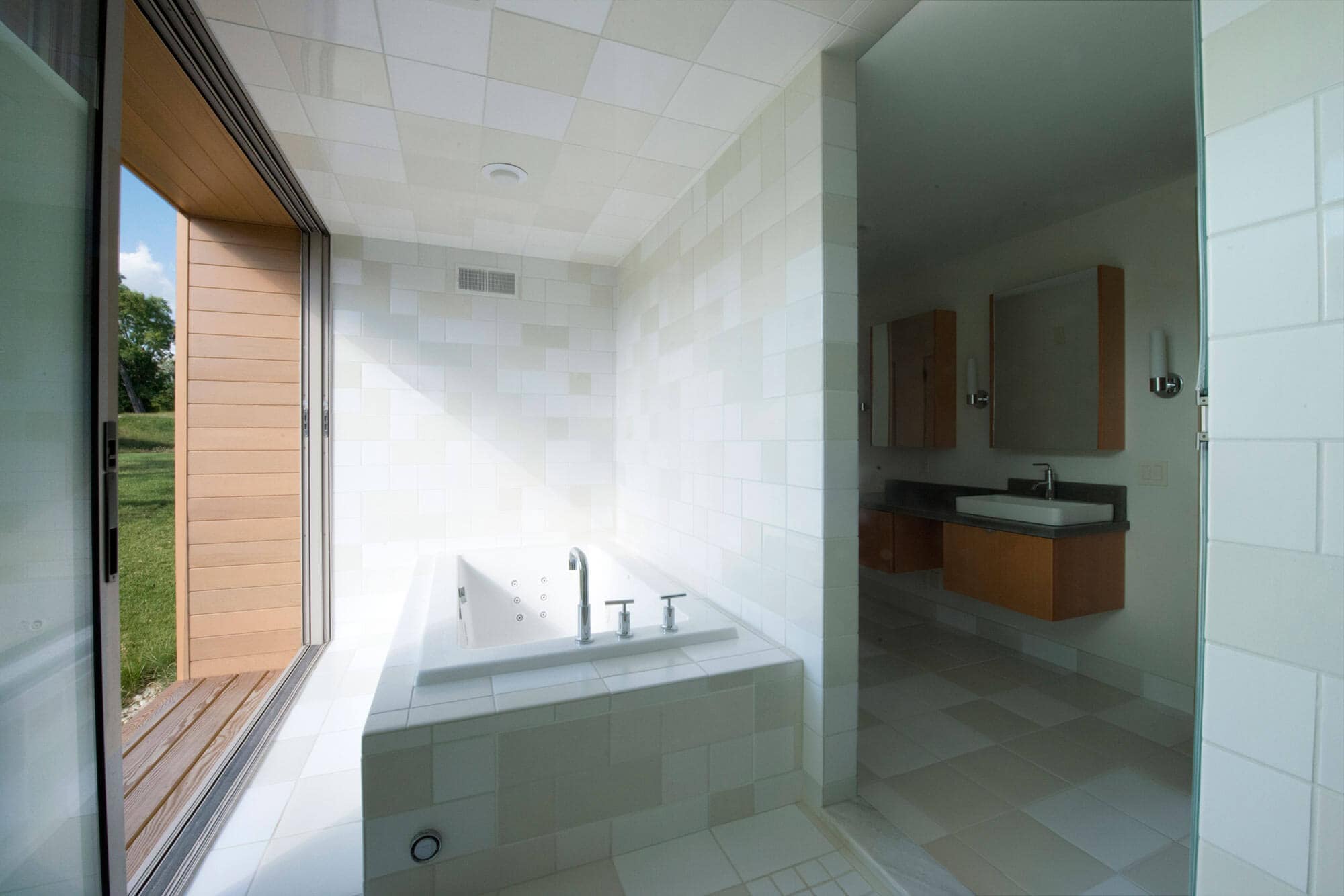
The Little Woods House
Creating variety and ambiance in a private residence with sustainable and long-lasting tile.
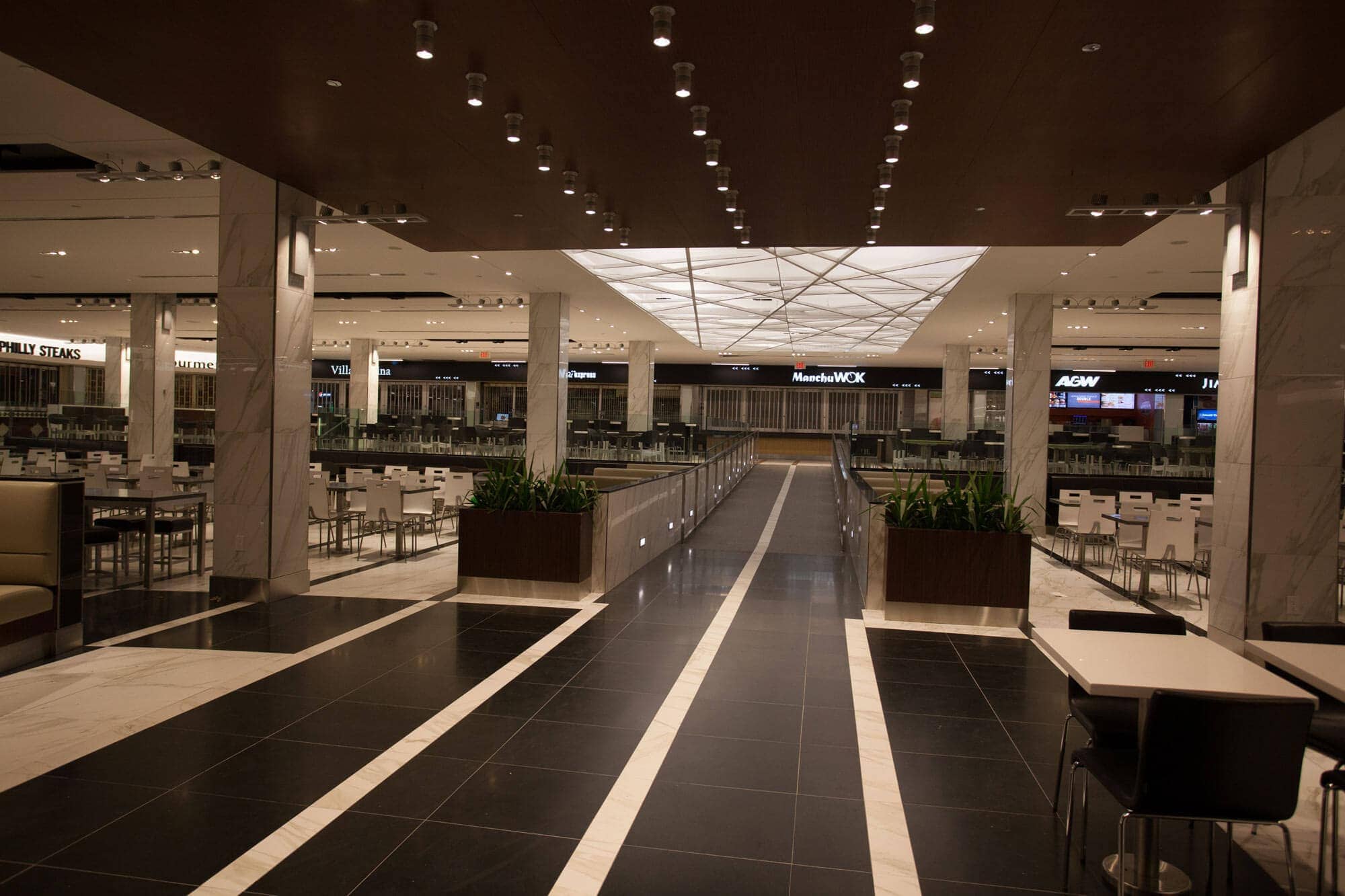
Square One Mall
Sustainable, durable and eye-catching design throughout a busy mall in Ontario, Canada.
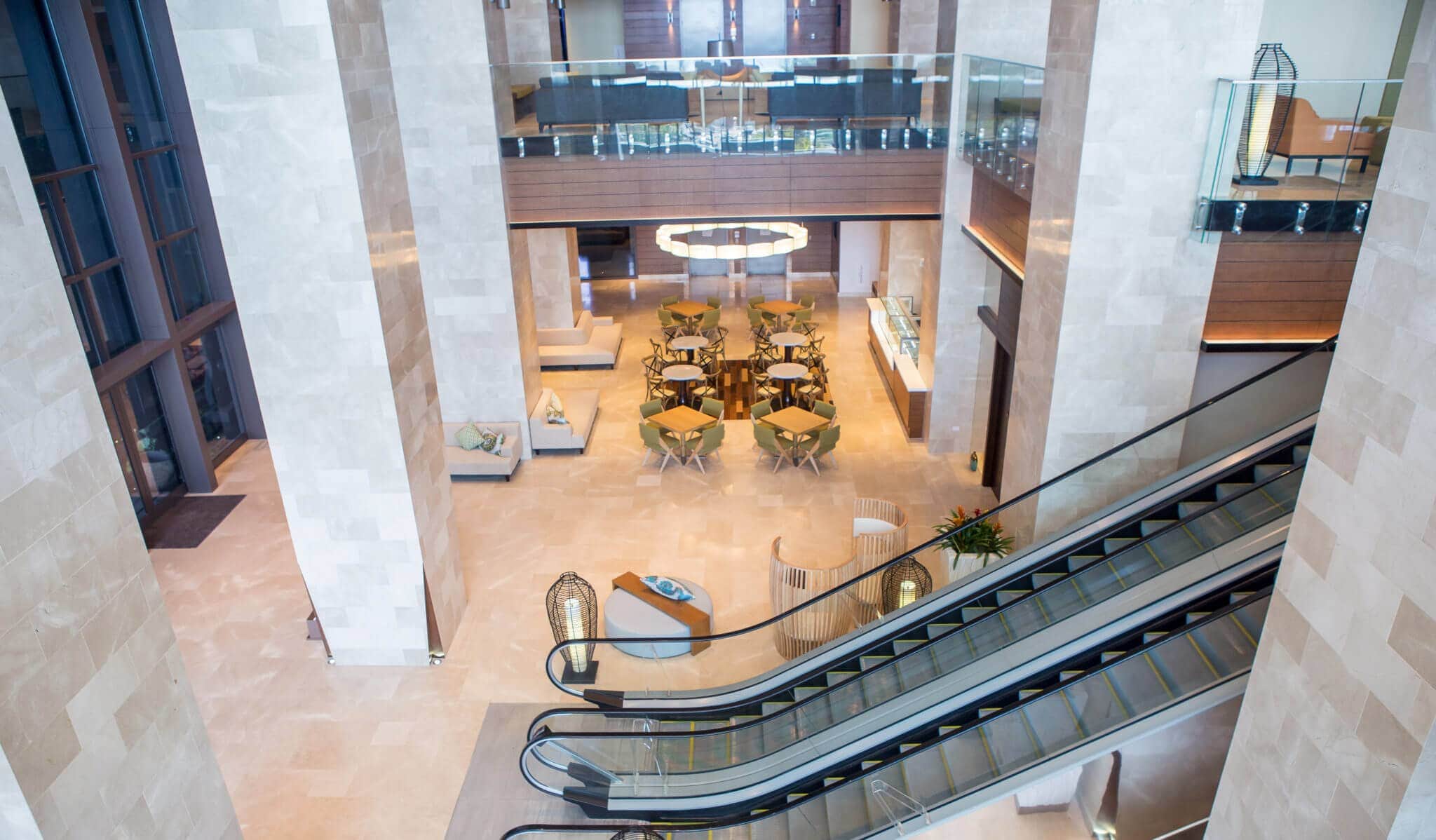
Dusit Thani Guam Resort
Tiling the columns and flooring of this beautiful resort in Guam with sustainable, recycled materials and long-lasting design.
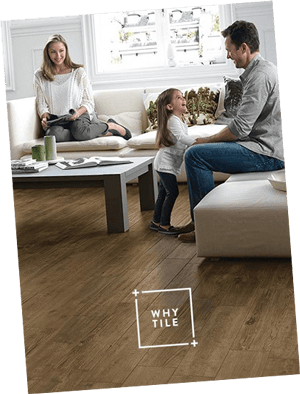
Download the Tile Buying Guide
This free Tile Buying Guide is your comprehensive guide to selecting tile, tile options, tile patterns, tile applications, and more.
