
Buying Guide
Start smart, choose well.
Buying tile is easier when you know what matters: where it will be used, how it needs to perform, and what installation demands to expect. This guide walks you through the practical steps: choosing the right tile body and finish, checking performance for wet or high‑traffic areas, planning layout and quantities, and understanding installation and maintenance basics.

Use the Guide to:
- Match tile type and finish to each space.
- Compare performance (moisture, slip, durability) rather than just appearance.
- Get spec language, ordering tips, and a short checklist to hand your installer or showroom.
Whether you’re a homeowner, designer, or contractor, this guide gives clear, actionable advice to help you buy tile with confidence.
Location, Location, Location
Before buying tile, your first step is to decide where you’ll put it. Ceramic tile can go anywhere, but these are some of the most popular uses.
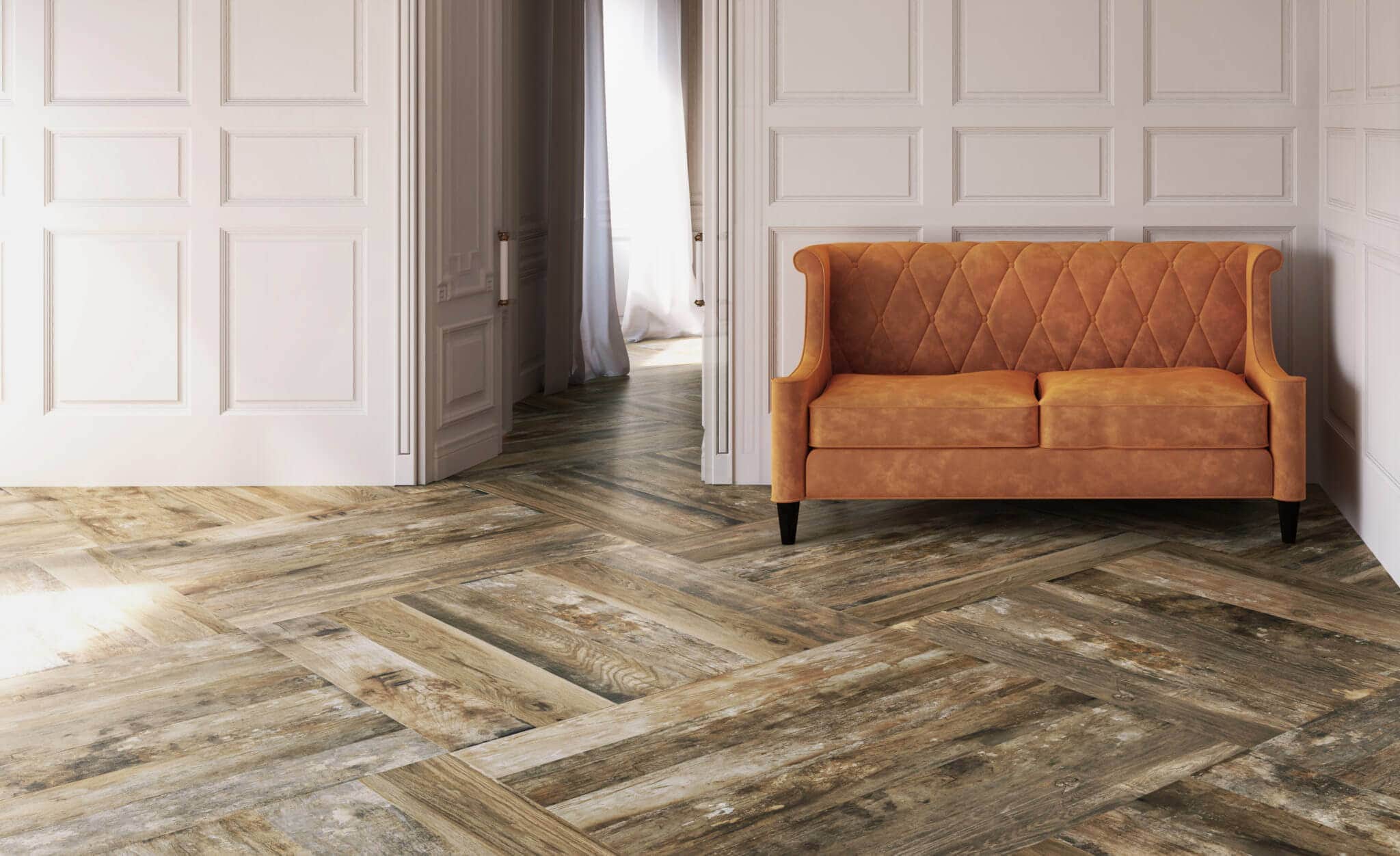
Easy to maintain, scratch-resistant, and stain-resistant, ceramic tile is a flooring option for any room.
Resources:
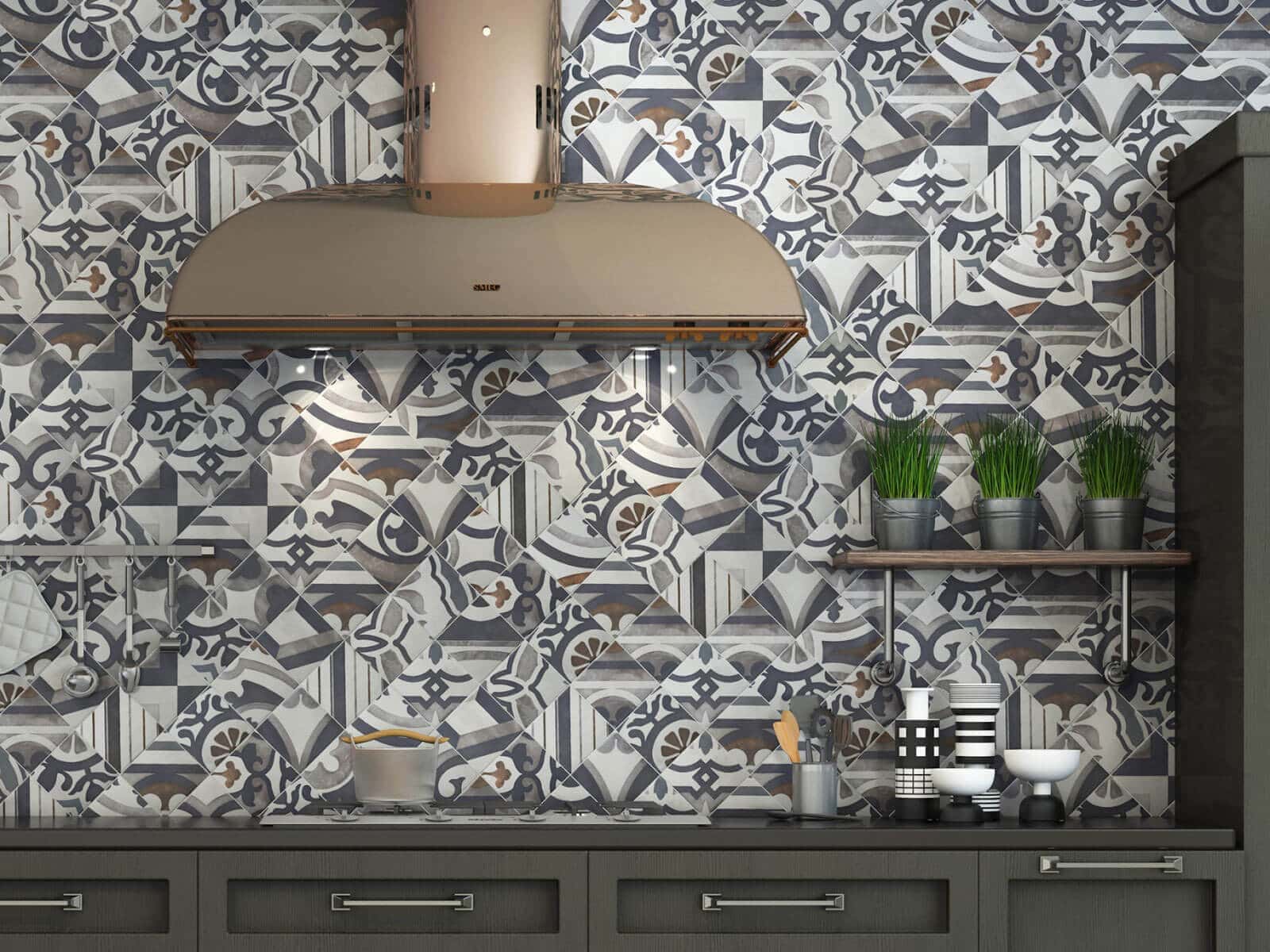
Add some flair to a room with a decorative feature wall or backsplash.
Resources:
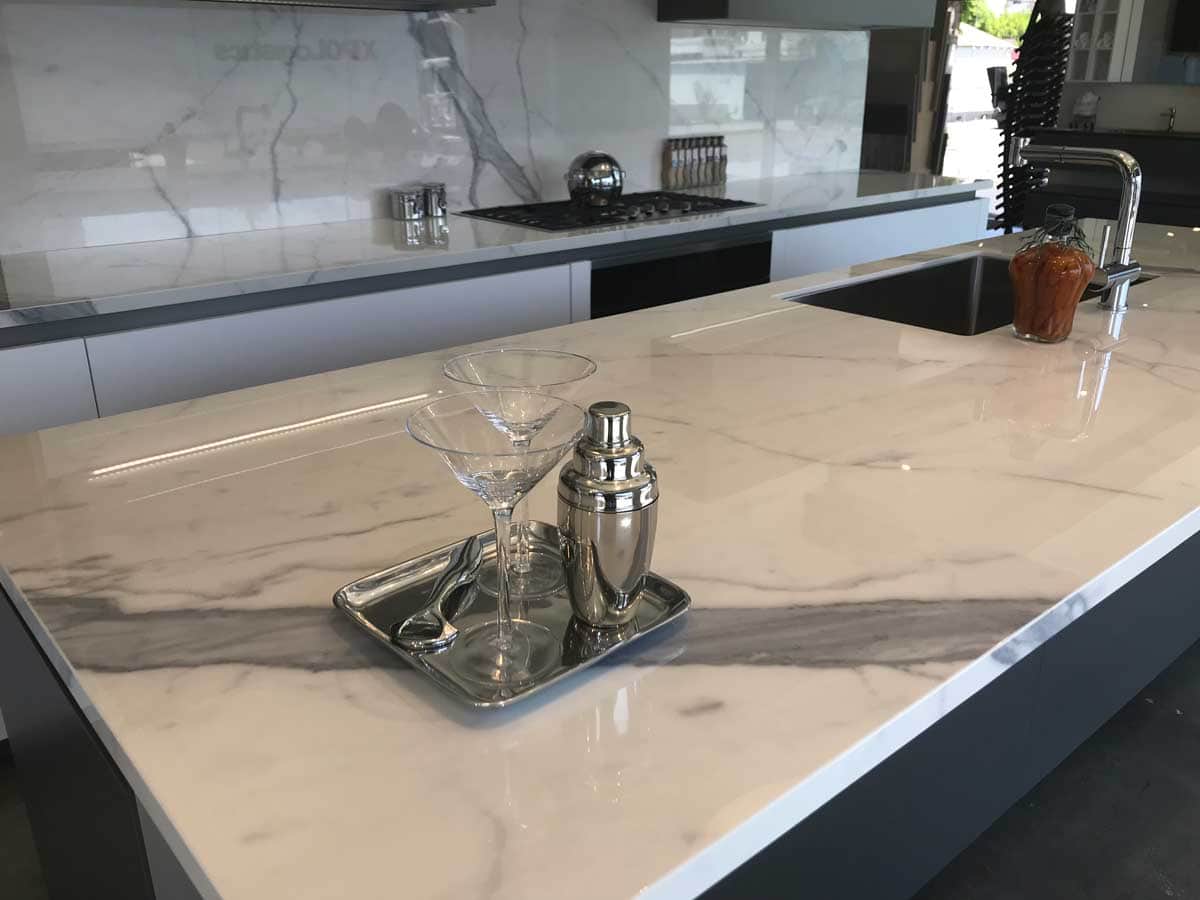
Protect your countertops and achieve the look of any material with large-format gauged porcelain tile slabs.
Resources:
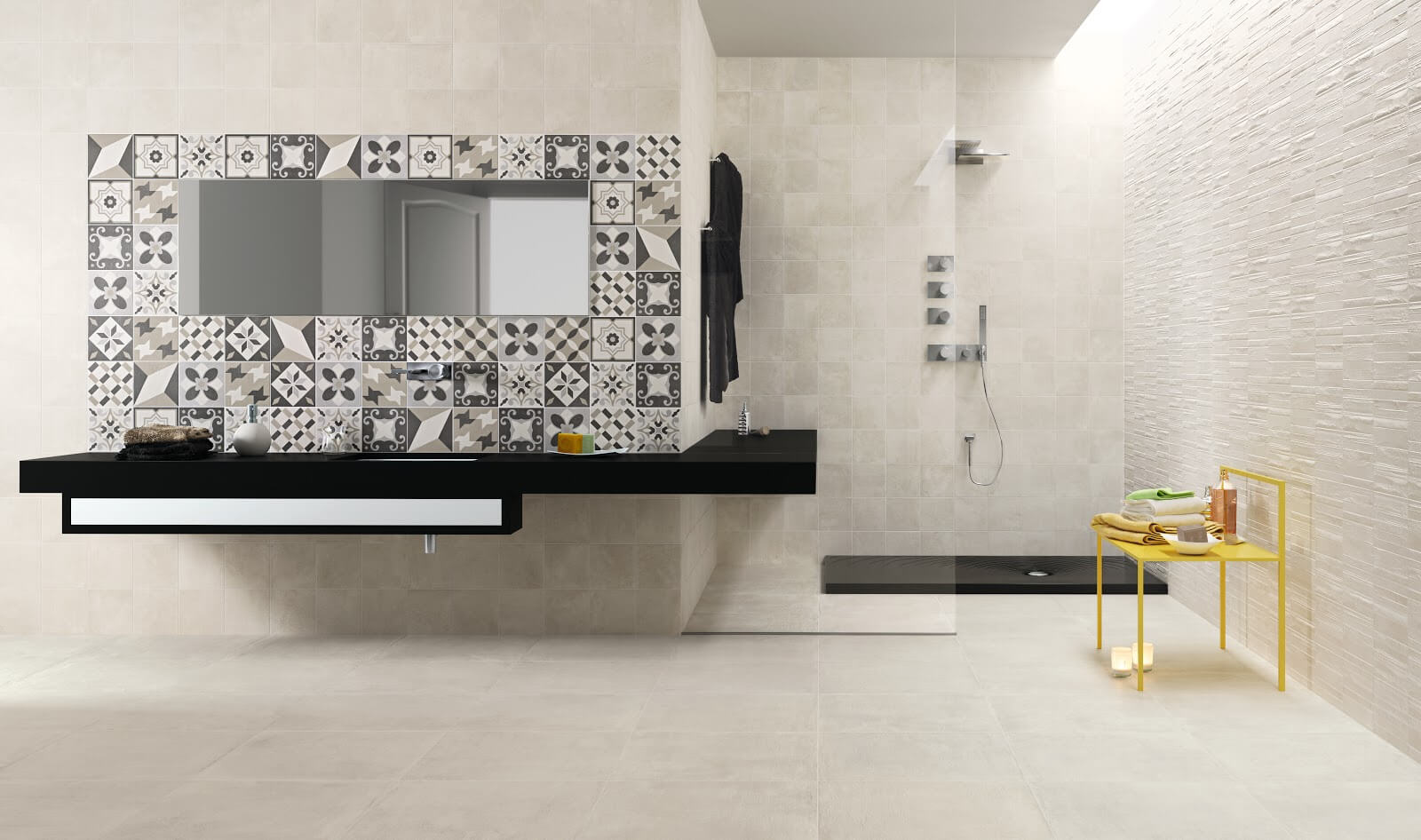
Water, slip, and bacteria resistance as well as easy cleaning make ceramic tile an ideal choice for bathrooms.
Resources:
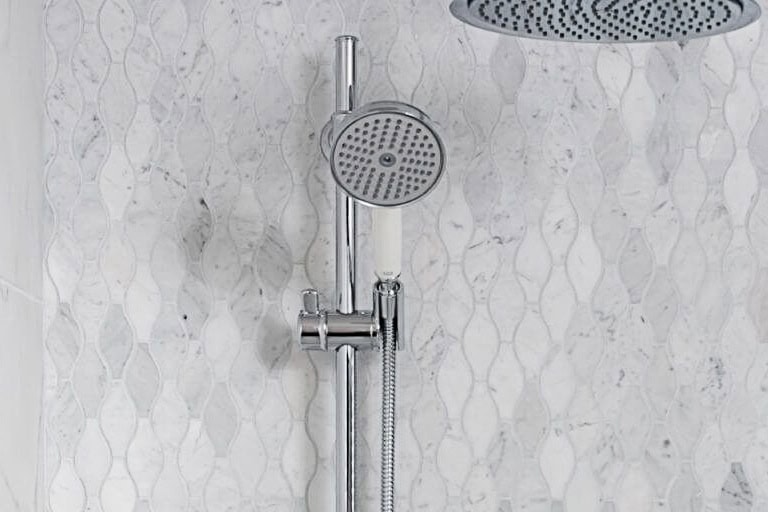
Ceramic tile is an ideal material option for showers because of its slip resistance, water resistance, bacteria resistance, and low-maintenance care. Explore ceramic tile's other benefits for showers and 40 of our favorite shower tile designs.
Resources:

Ceramic tile can go anywhere inside—and outside—of your home.
Resources:
Tile Styles
Tile design options are so numerous that you may find it helpful to take the decision one step at a time. Here are some aspects to consider in finding the perfect tile style.

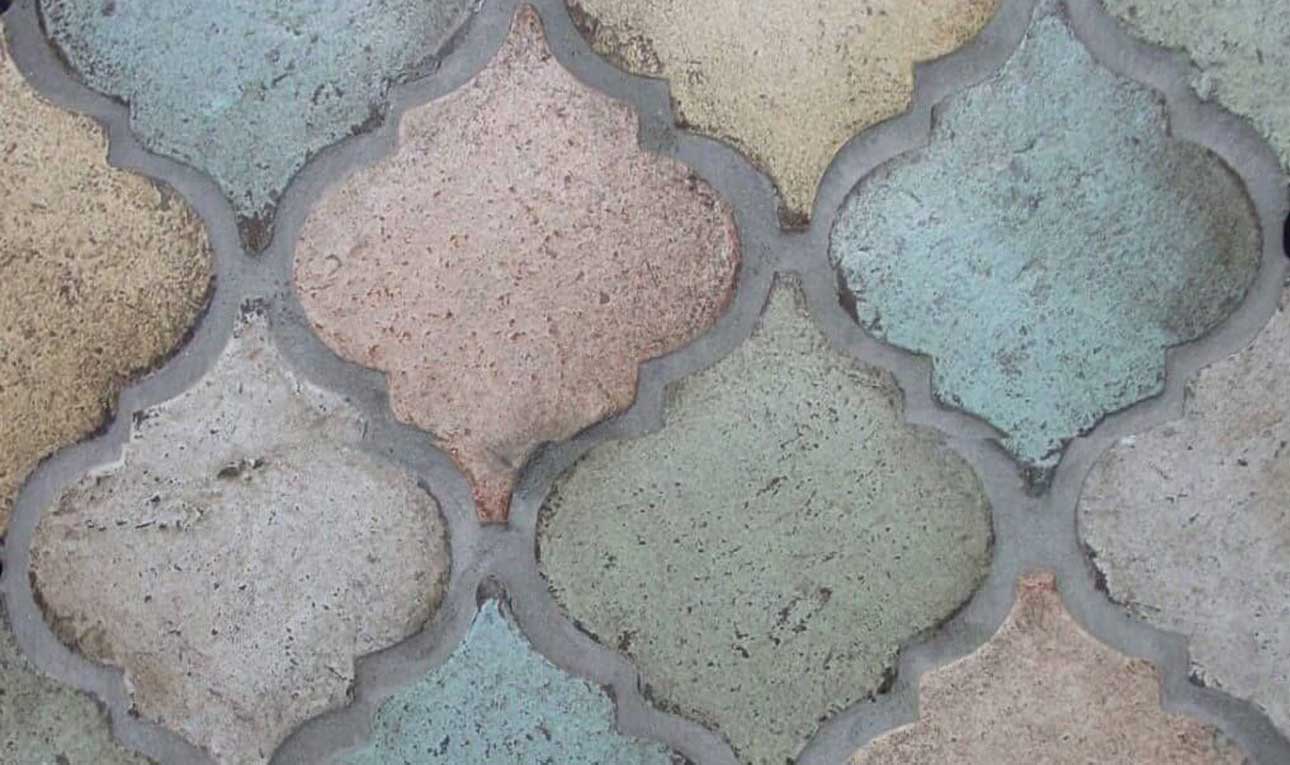

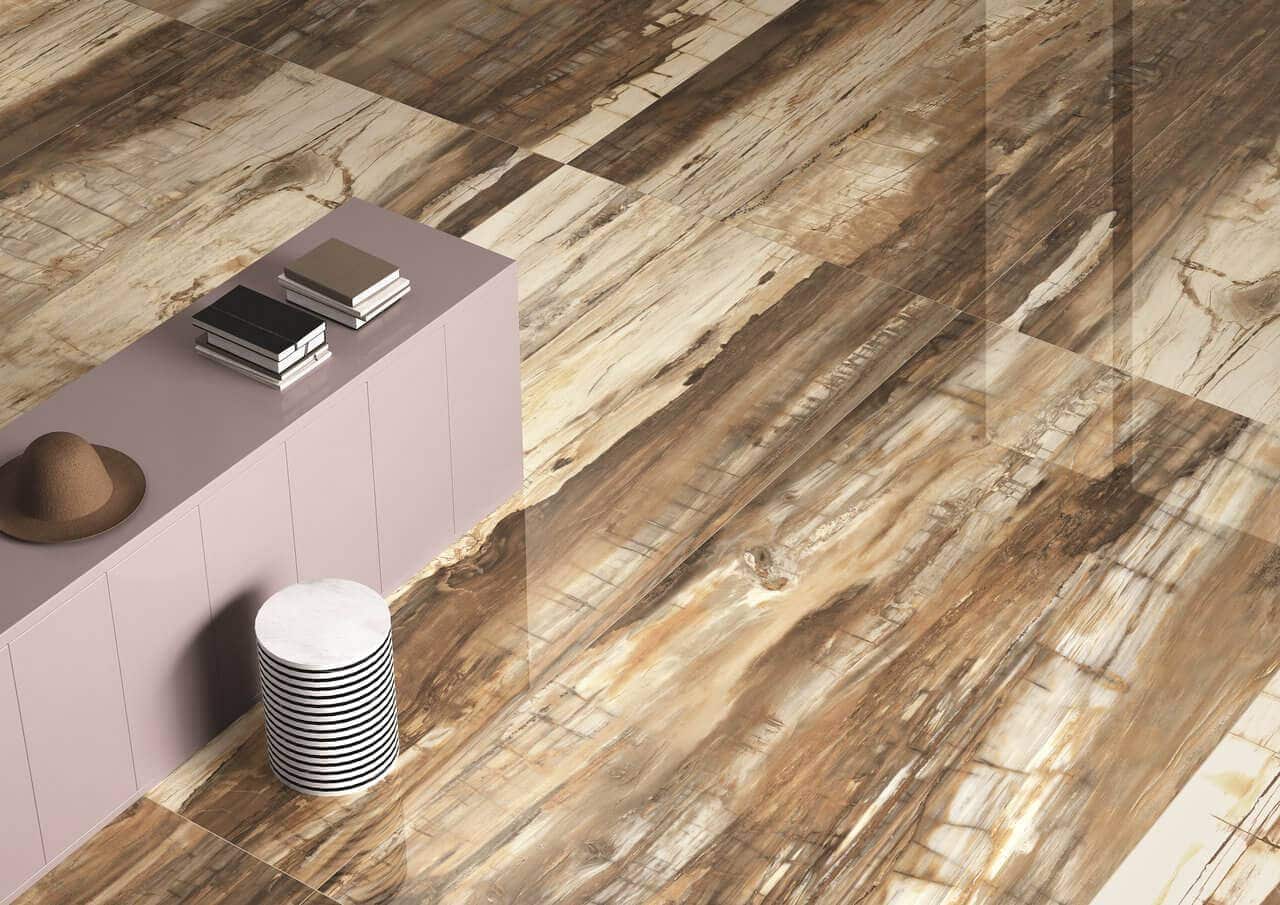
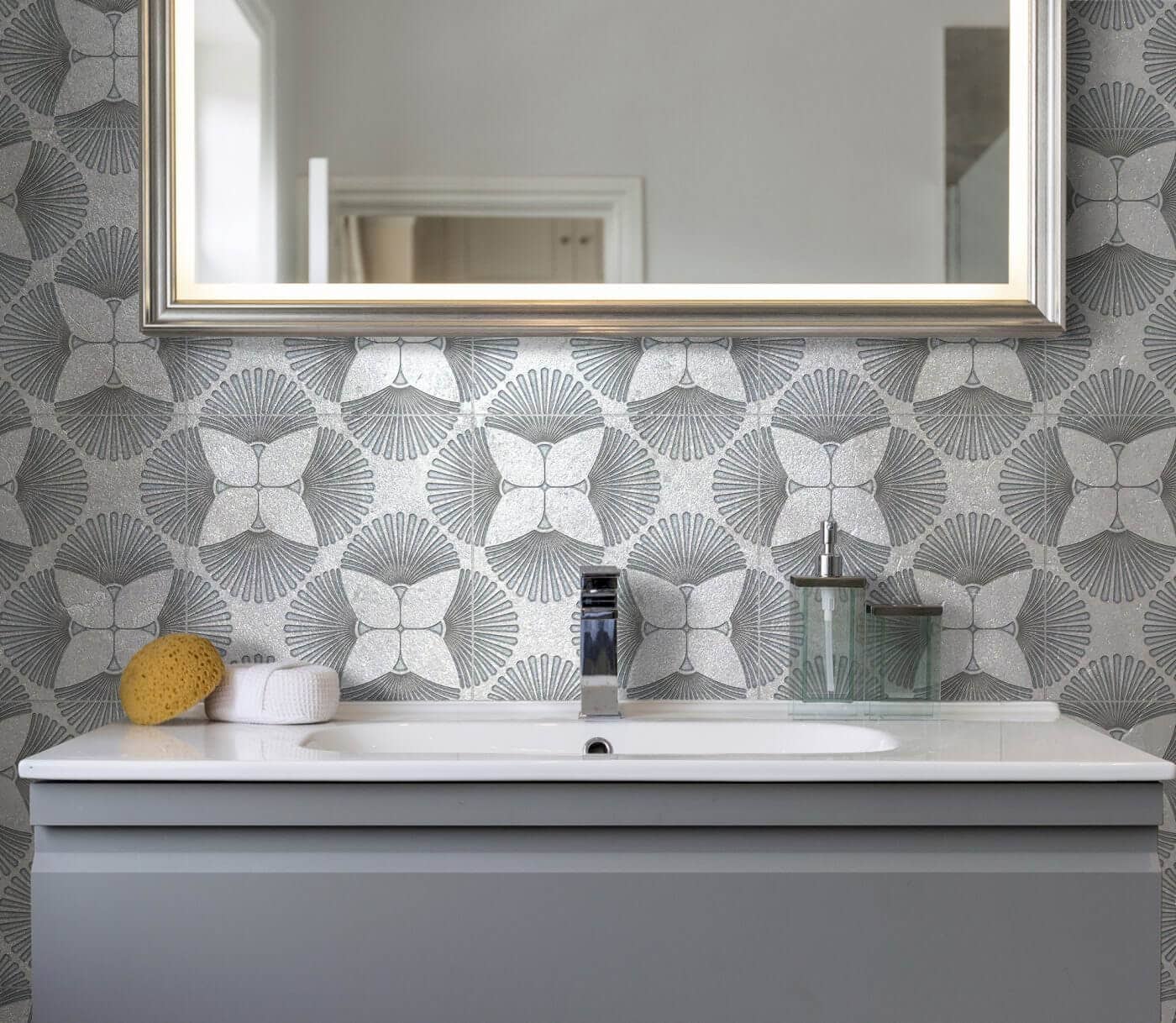

Textures
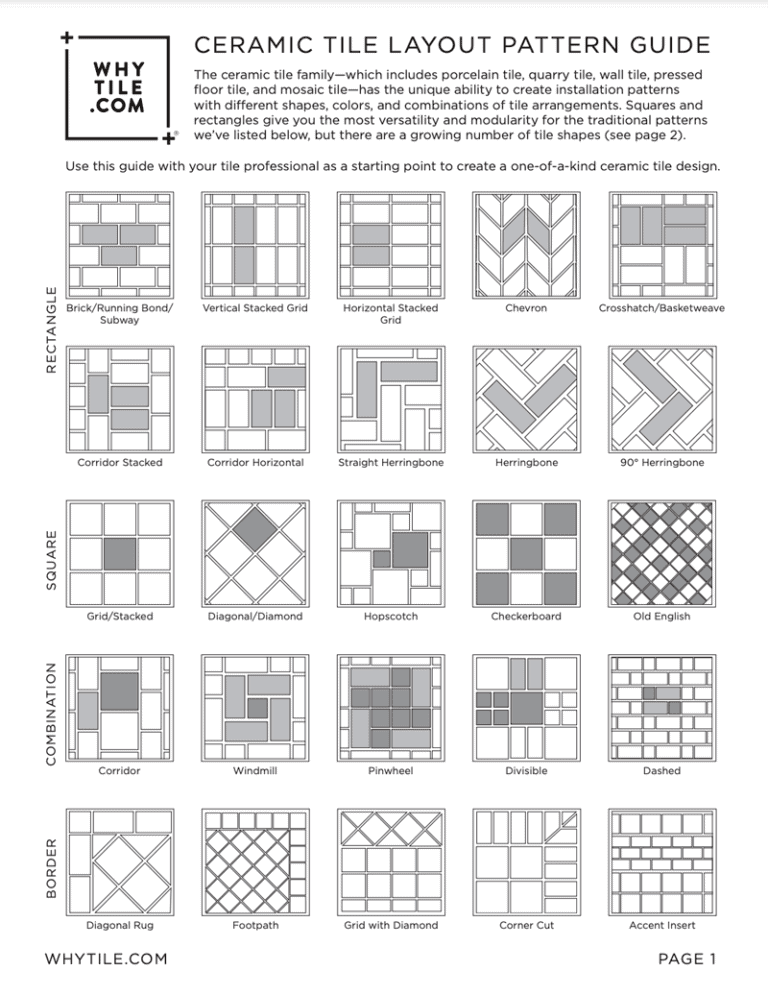
Layout Patterns
Once you’ve chosen your tile style, it’s time to choose how to lay it out. Download our Ceramic Tile Layout Pattern Guide to see a comprehensive list of your tile layout options. The following resources may be helpful as well:
Grout
Your choice of grout can completely change the look of your tile installation.
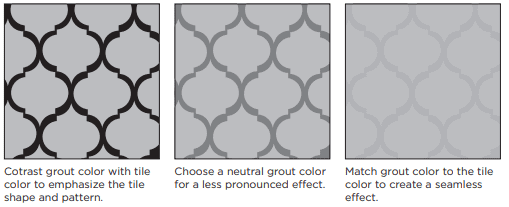
Use our Grout Color Guide to help choose the right grout for your tile selection. When shopping for ceramic tile, be sure to look at grout samples alongside your options. An installer can create a mock-up of your chosen grout and tile to show you what to expect.
The Perfect Amount of Tile, and Then Some
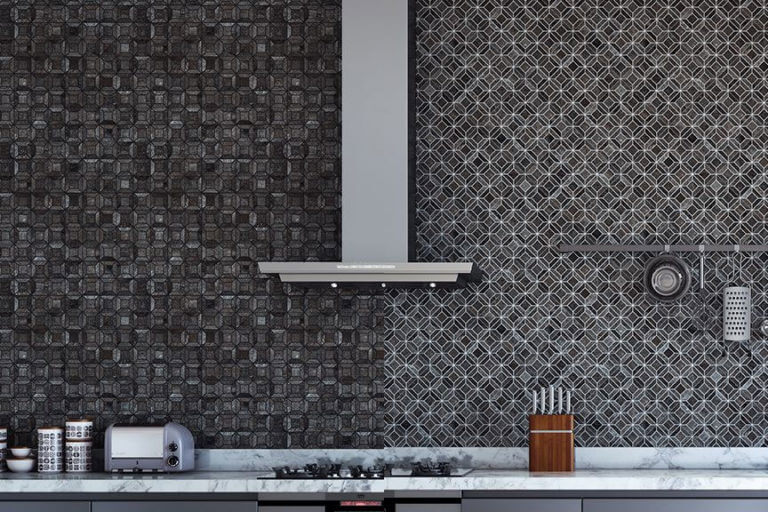
Wondering how much tile to buy? We recommend calculating your exact square footage and then adding 10% just to be safe. Use our tile calculator to run the numbers.
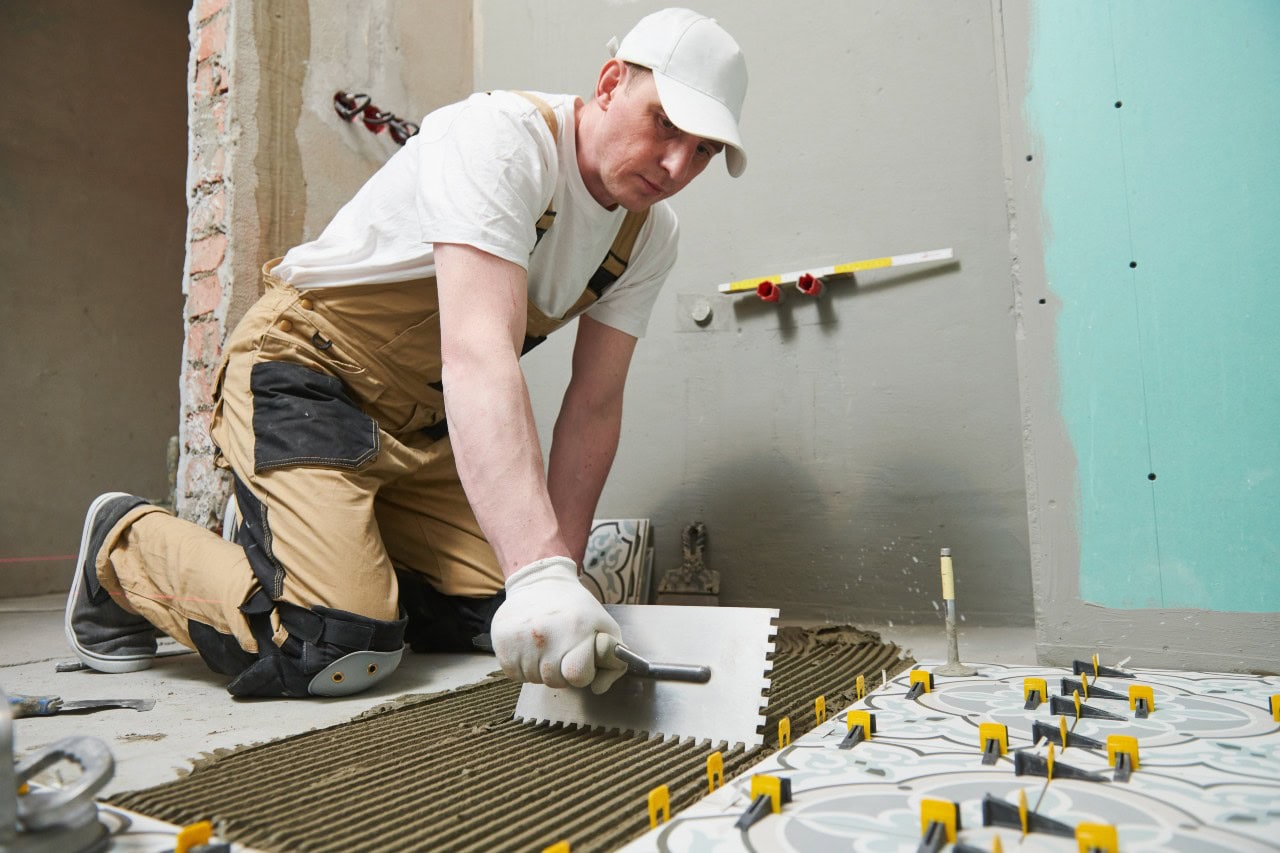
Find a Qualified Installer
Each of these industry associations provides education and support for installers. They also have search directories to help you locate qualified labor:
- National Tile Contractors Association (NTCA)
- Ceramic Tile Education Foundation (CTEF)
- International Union of Bricklayer and Allied Craftworkers (IUBAC)
- Tile Contractors’ Association of America (TCAA)
What Is Qualified Labor?
Qualified labor refers to labor that has specialized training or a learned skill set to perform the work. Consider these characteristics:
- A track record for quality and service: having references of past work similar in scope and complexity to the current project is best
- Portfolio of completed installations
- A precedent for following industry methods and standards
- All required business licenses and insurance
Customer Satisfaction
Qualified labor is also crucial to give clients confidence that their tile project is going to be completed to their specifications and desires.
Nyle Wadford with Neuse Tile Service in Youngsville, North Carolina, explains that satisfied customers are a direct correlation to qualified labor.
Appropriate Installation
Bart Bettiga, executive director of the National Tile Contractors Association (NTCA), explains that qualified labor sets the stage for a successful tile project: proper use of the materials, proper specification, and proper installation. Bettiga emphasizes that “qualified labor includes certification, it includes training, and I think that qualified labor is why projects last for a lifetime.”
Quality & Consistency
Victor Fox and John Wirtz of Wirtz Quality Installations echo these sentiments. Qualified laborers provide a “quality product” and “consistency” so that customers know they will get the quality result they expect.
Safe & On-Time Completion
Roger Leasure of Northern California Tile and Stone—a company known for doing large malls, casinos, and resorts—speaks to other important elements that customers value: timeliness and safety. “When we show up on a massive project,” Leasure explains, “it’s going to be done fast and it’s going to be done safe.” The company’s use of qualified labor gives customers confidence they will receive a superior product in a timely manner.
The Importance of Qualified Labor
The importance of qualified labor starts at the very beginning with tile design. Architects and designers depend on the craftsmanship and technical expertise of qualified labor to successfully bring their design to reality.
Consider how qualified labor plays a part during the four phases of tile design:
1. Schematic design
- Complete rough sketches.
- Determine the direction of the design.
- Complete conceptual images.
2. Design development
- Select quality materials to guarantee the success of the project.
- Base material selection upon industry standards and manufacturer recommendations.
- Refine color options and finishes.
3. Construction documentation
- Prepare detailed specifications for bid, giving contractors a clear set of instructions to build projects as designed.
- Tile specifications refer to the TCNA Handbook and ANSI Standards for installation guidelines.
- Select a qualified contractor based on training, skills, experience, and referrals.
4. Construction administration
- The project is built and installed during this final stage.
The architect and designer regularly meet and work with contractors to confirm that the project is being executed as envisioned, answer any questions, and resolve any construction issues.
Where to Buy Tile
Ready to buy? Your next steps are simple.
Use the locator below to connect with local showrooms and distributors. Request samples and get accurate quotes so that your project moves from plan to finished surface.
- Use the search tool at the Ceramic Tile Distributors Association (CTDA) to find a ceramic tile showroom in your area for a more individual, one-on-one shopping, design, and education experience, or visit a home improvement or flooring retailer.
- For specific products and installation-related materials, you can consult the product locator of the Tile Council of North America (TCNA).


Download the Tile Buying Guide
This free Tile Buying Guide is your comprehensive guide to selecting tile, tile options, tile patterns, tile applications, and more.
