
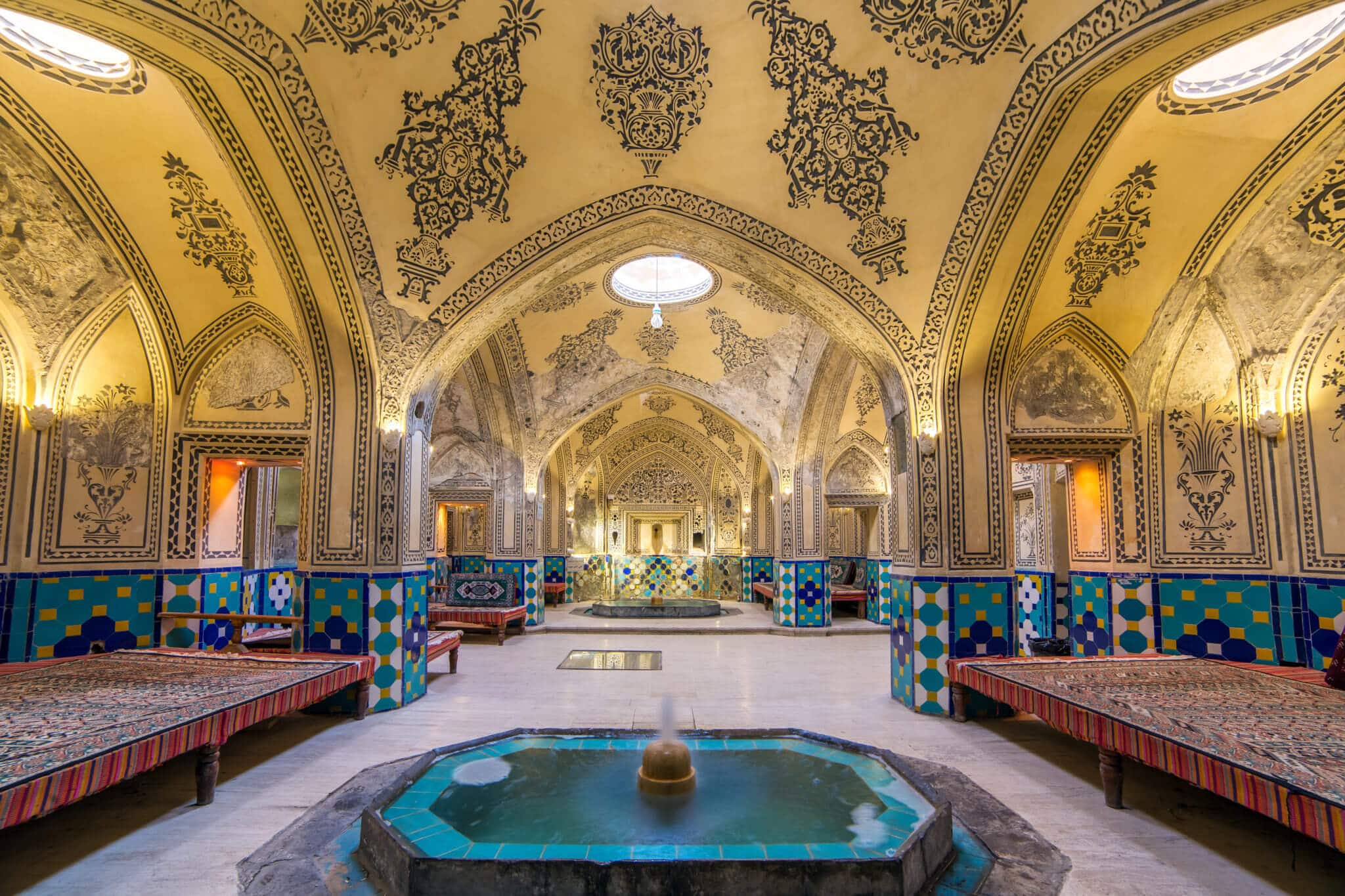
Home and building interior decor can seem a world of fleeting trends, with one hot style quickly replacing another. Similarly, evolving consumer needs mean that some building materials may appear to be an inexpensive update but end up costing more when they don’t survive their expected lifespan and need to be replaced.
To study the life-cycle costs of various flooring types, The Tile Council of North America commissioned an independent consultant, Emily Lorenz, PE, F-ACI, to conduct a life cycle cost analysis (LCCA) study.
Why Life-Cycle Cost Matters
Several methods are available to evaluate and compare the economic performance of products or systems. For this study, Emily used an LCCA to compare 18 flooring types.
An LCCA is a powerful tool to aid decision-makers in evaluating all relevant costs for a given building system. It allows for the comparison of the construction and maintenance costs of alternative building systems that meet the same functional requirements.
Knowing the actual costs of a flooring material over time makes it especially refreshing to find a material that transcends trends and defies age to create a lasting design impact.
[Related: Life-Cycle Cost Analysis Summary Chart]
Style That Spans the Ages
Ceramic and porcelain tile have been around for thousands of years, and almost every culture in the world has used them.
We know this not only because of history books but also because ancient tile installations still stand today. One of the earliest known ceramic tile installations is the Ishtar Gate of Babylon, built circa 575 B.C. as part of King Nebuchadnezzar’s plan to beautify the city.
The Ishtar Gate is both intact and survived relocation from Iraq to the Pergamon Museum in Berlin, where it remains on display. Thanks to a collaboration between the museum and Google Arts & Culture, you can get an up-close look at the Ishtar Gate and its tiles online.
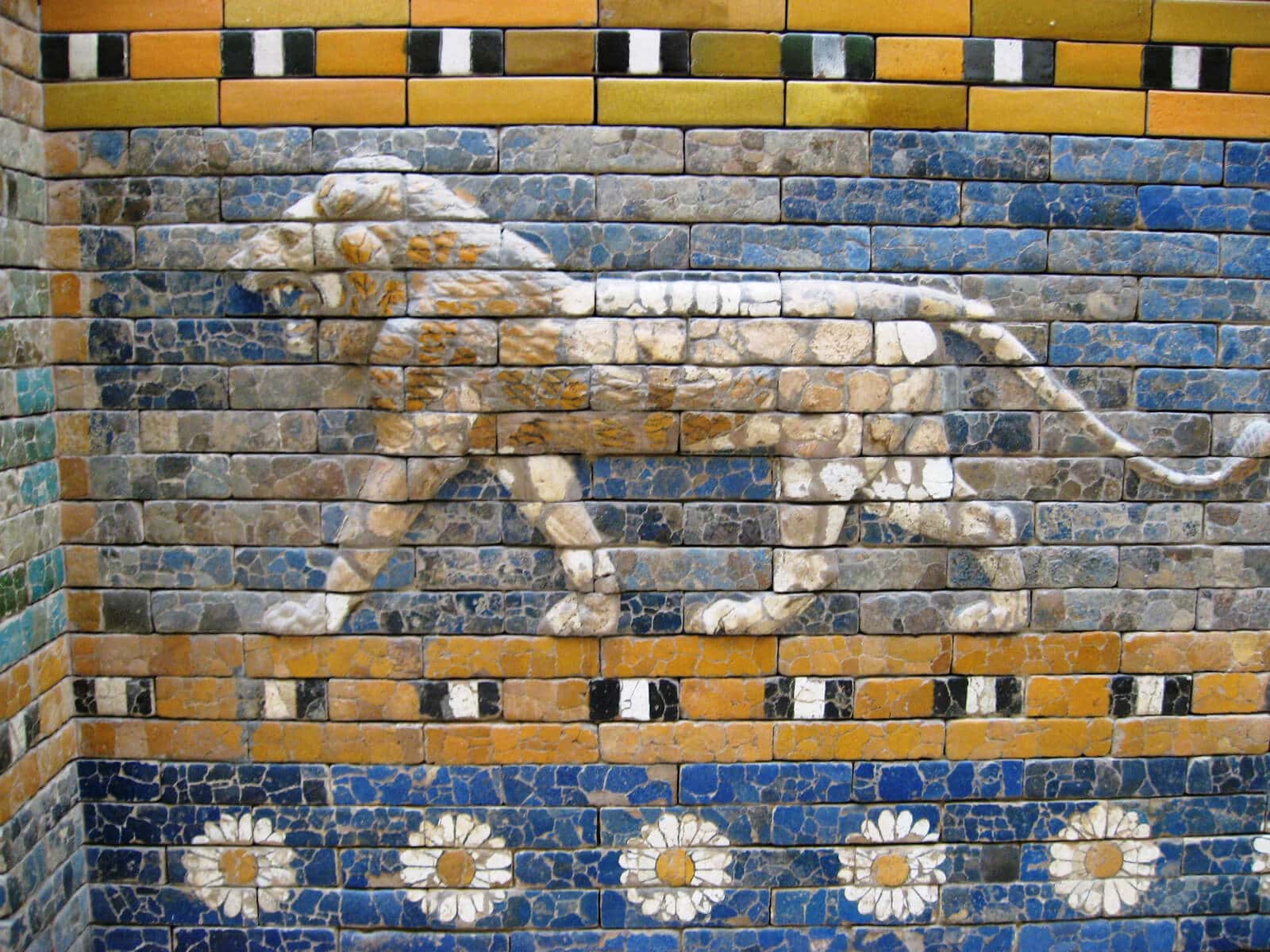
The earliest artistic tiles still standing today date back to the sixth century. | Image via Wikimedia Commons
This is just an example of our knowledge of the use of ceramics in both functional and artistic purposes throughout the centuries.
From imbrex and tegula tile roofs in ancient Rome to mathematically complex tile mosaics during Islamic expansion to the very first residential tile bathrooms in 19th-century Europe, people knew they could rely on ceramic and porcelain tile to live up to their needs — and do so in style.
[Related: Delft Tile Design in Modern Spaces]
Historic Tile Design Still Shapes Interiors Today
Ceramic and porcelain tile have created some of the most enduring designs in history. For example, today’s architects and designers still use the Roman imbrex and tegula roof design.
Mosaic tile, which historians can trace to Medieval Europe, remains a popular design choice for showers, backsplashes, pools, and much more.
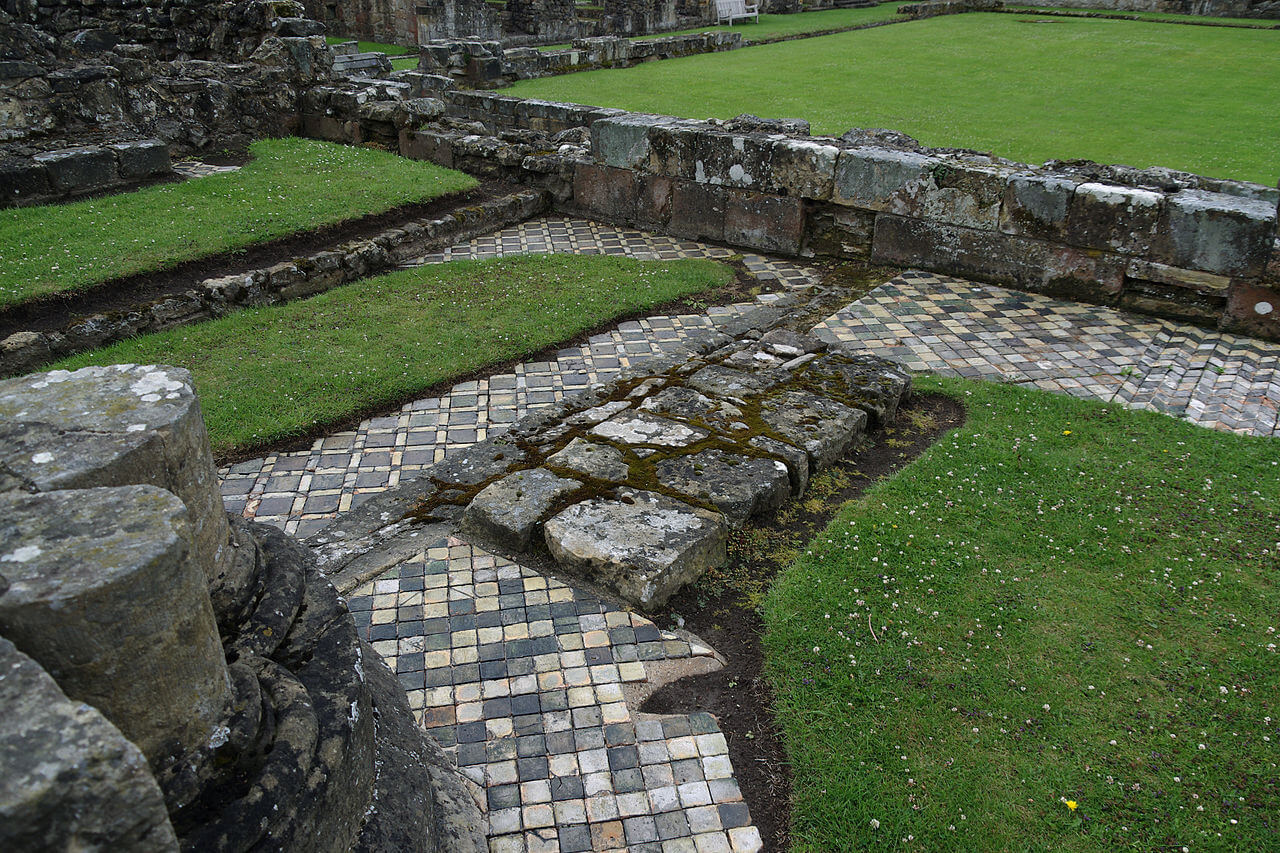
Medieval European mosaic tiles pave walkways and courtyards. | Image via Wikimedia Commons
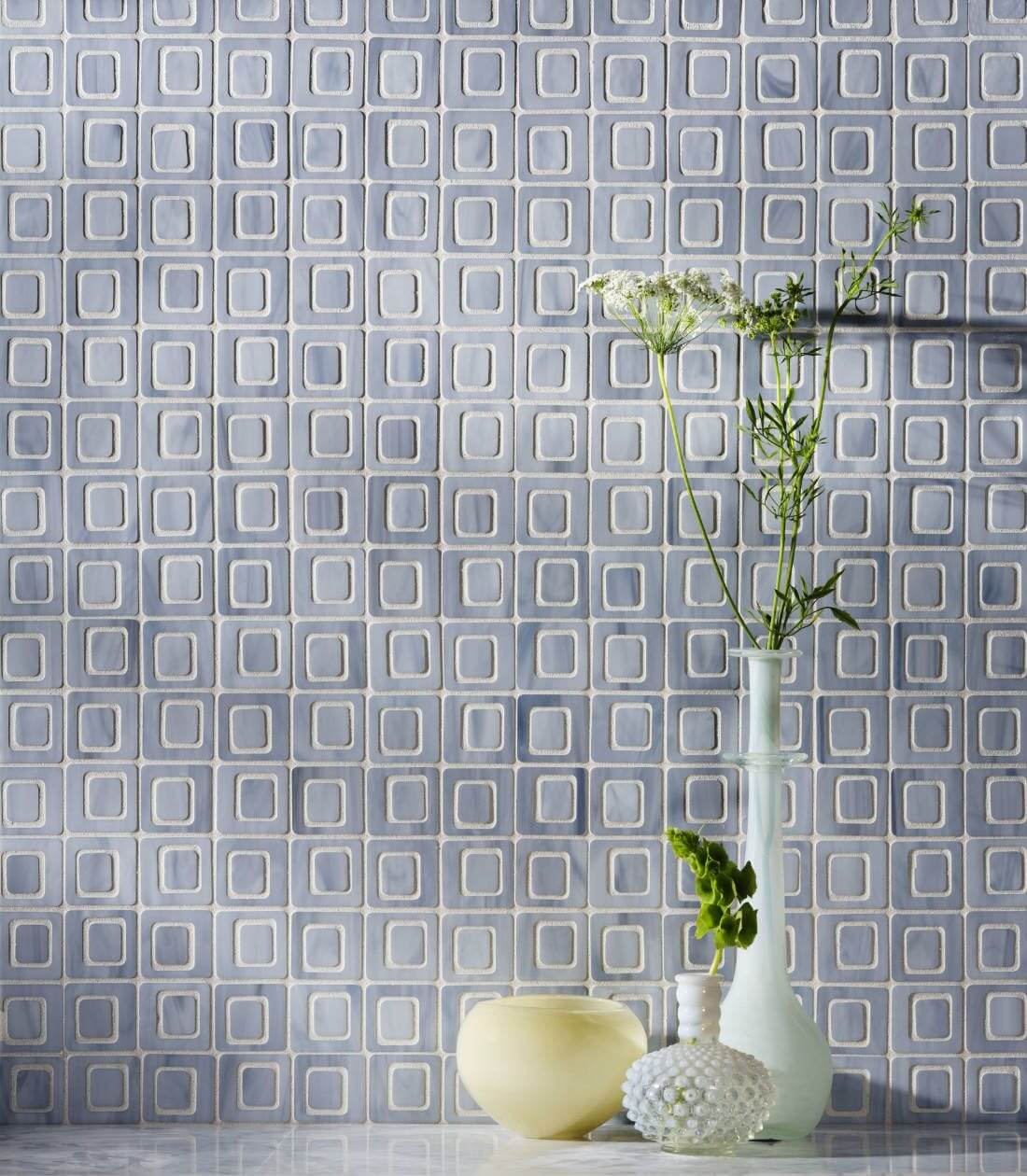
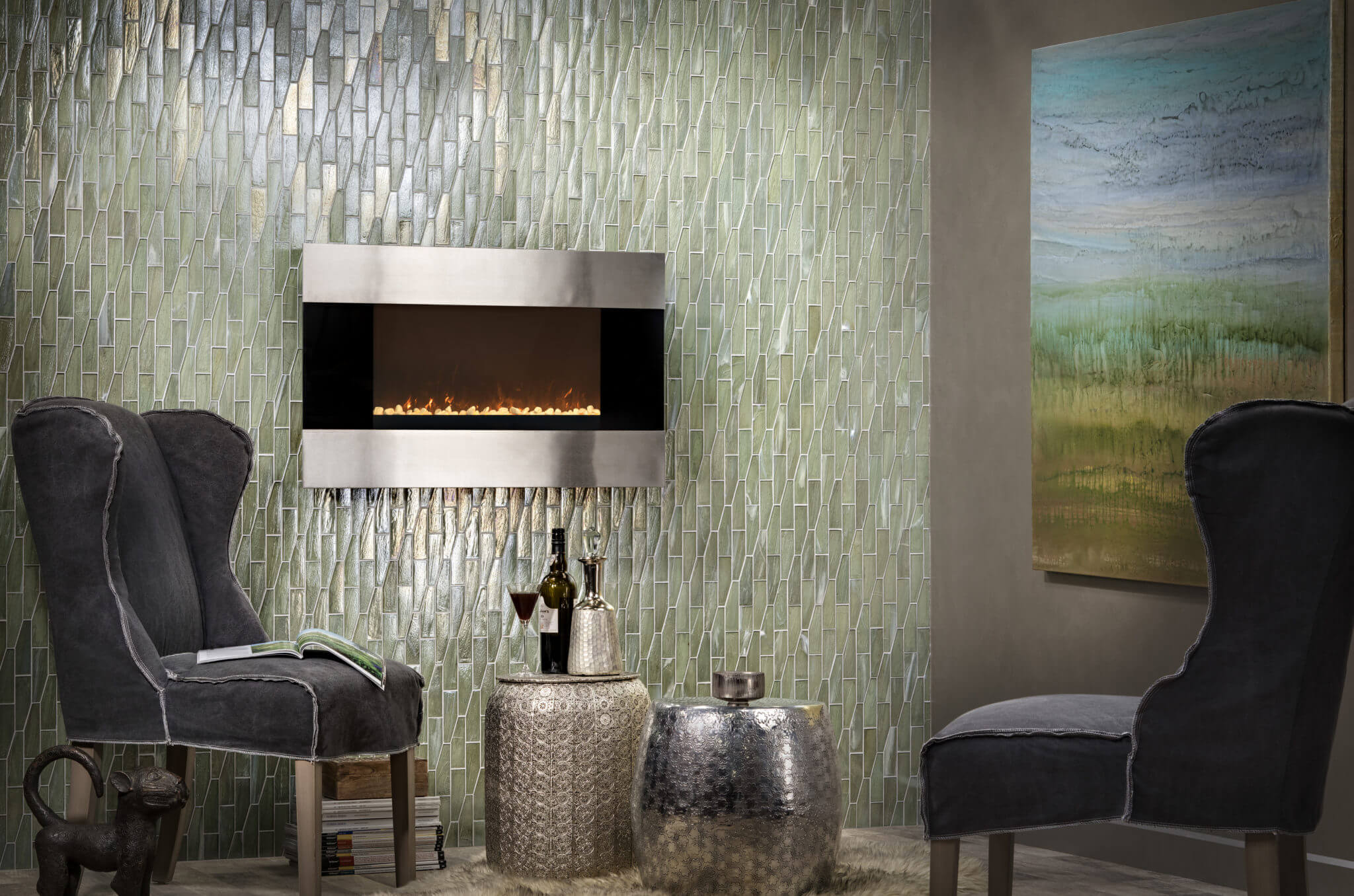
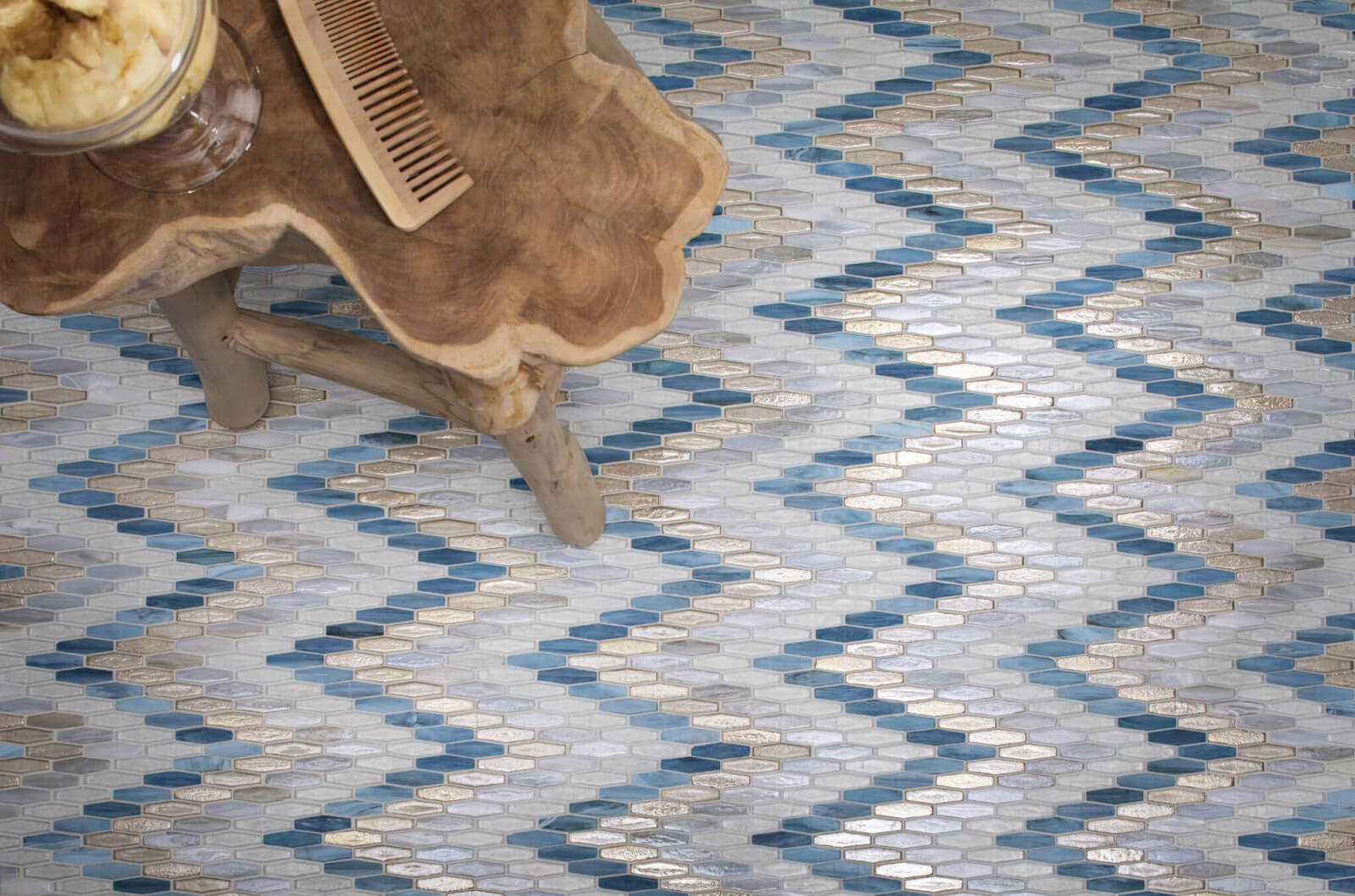
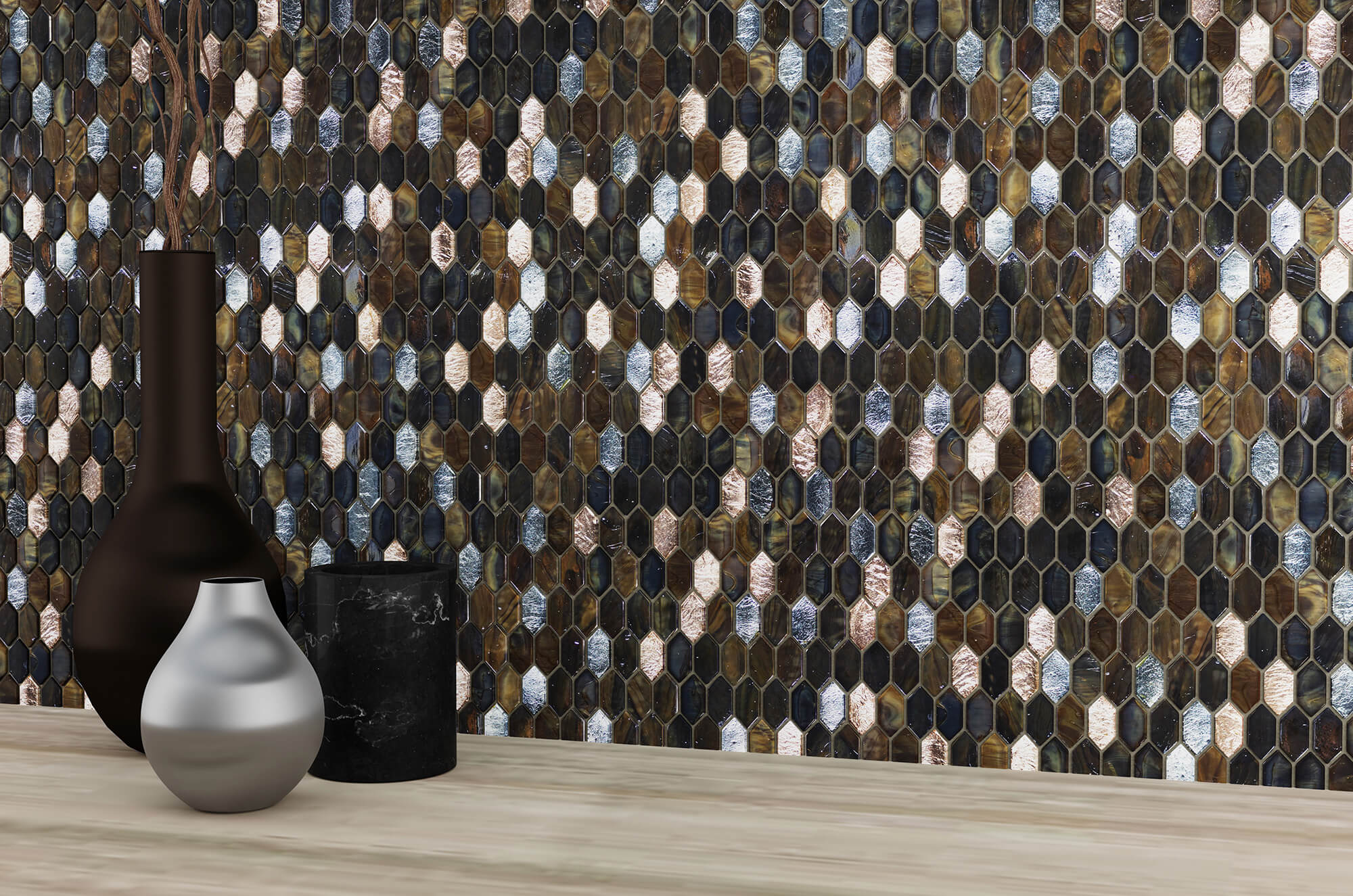
Modern tile mosaics are standbys on walls, floors, backsplashes, and surrounds.
Likewise, the geometric tile patterns favored during the Islamic empire are modern favorites, as are the all-white tile bathrooms of the Victorian era.
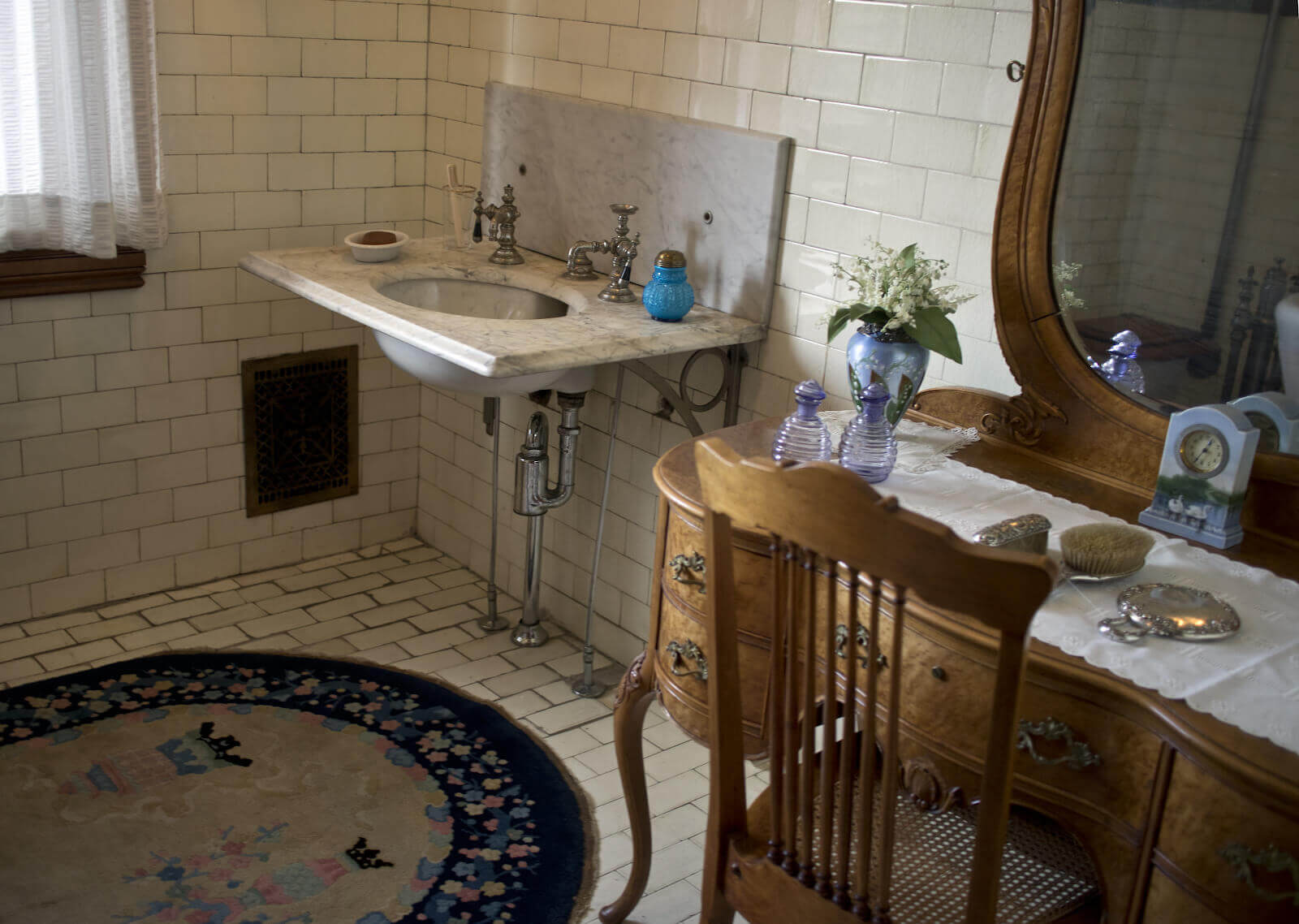
White subway tile adorns a Victorian-era bathroom. | Image via Flickr Creative Commons
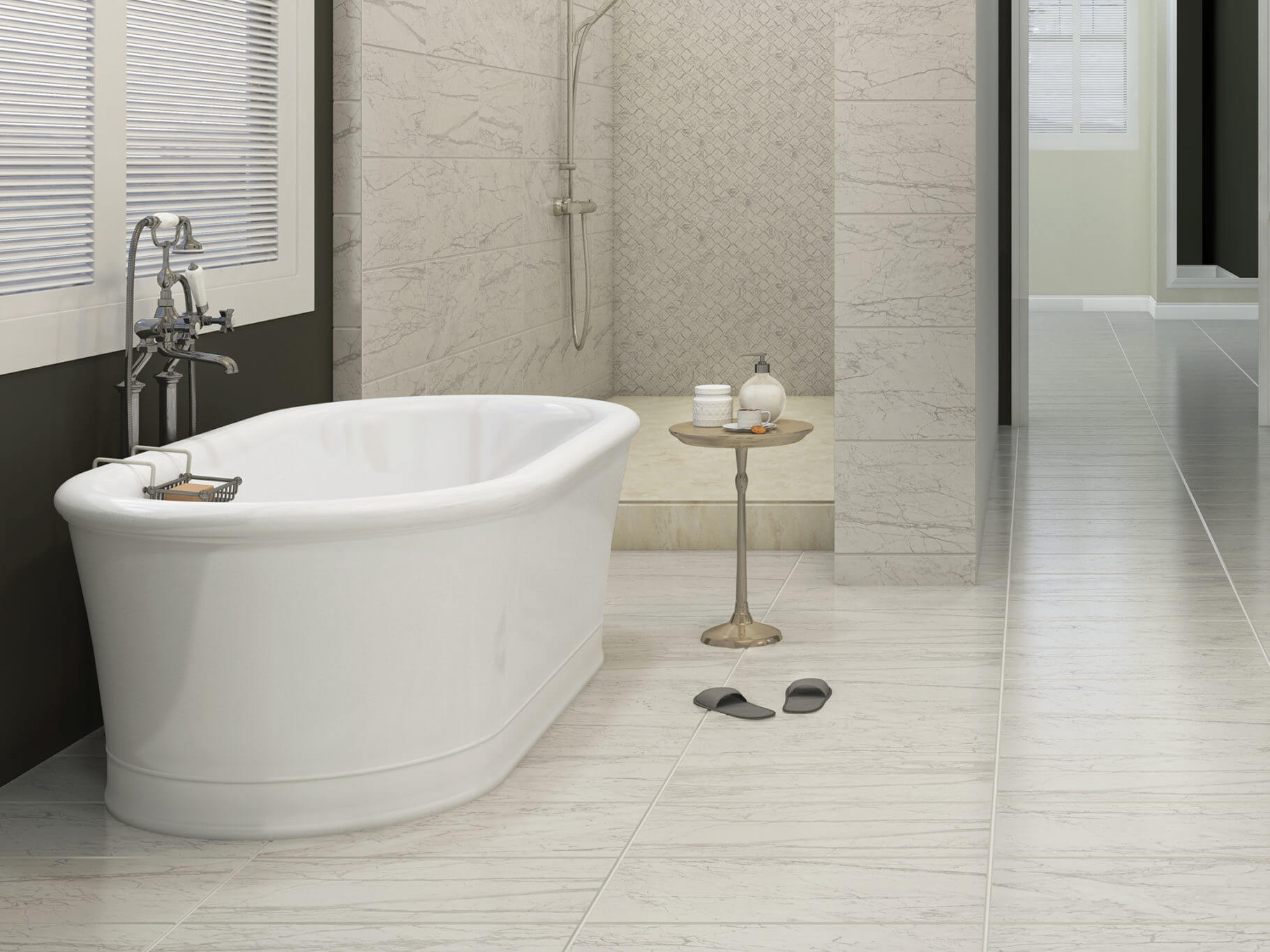
Modern bathrooms borrow from Victorian tile style.
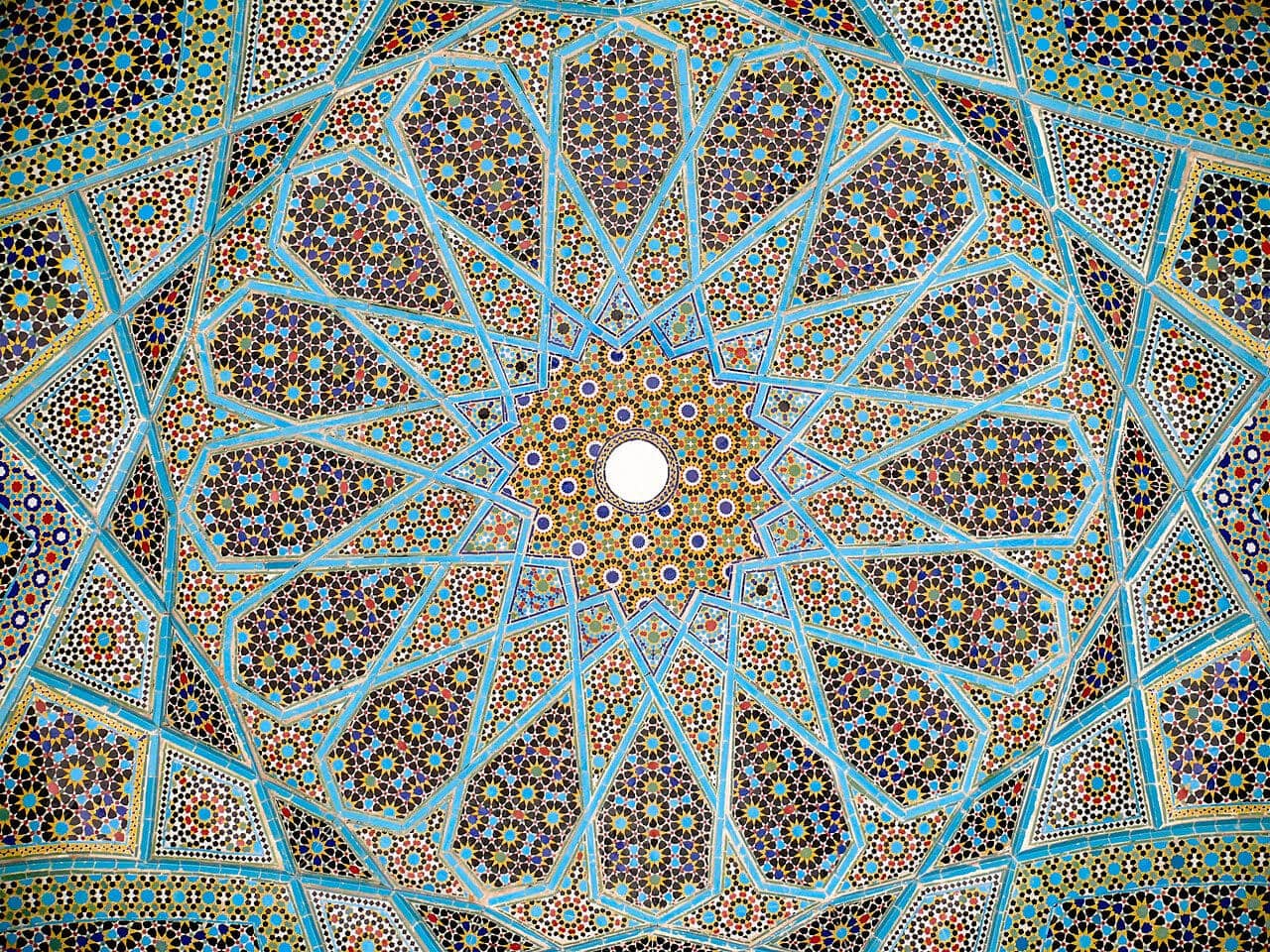
Islamic geometric tile installations are breathtaking in their intricacy. | Image via Wikimedia Commons
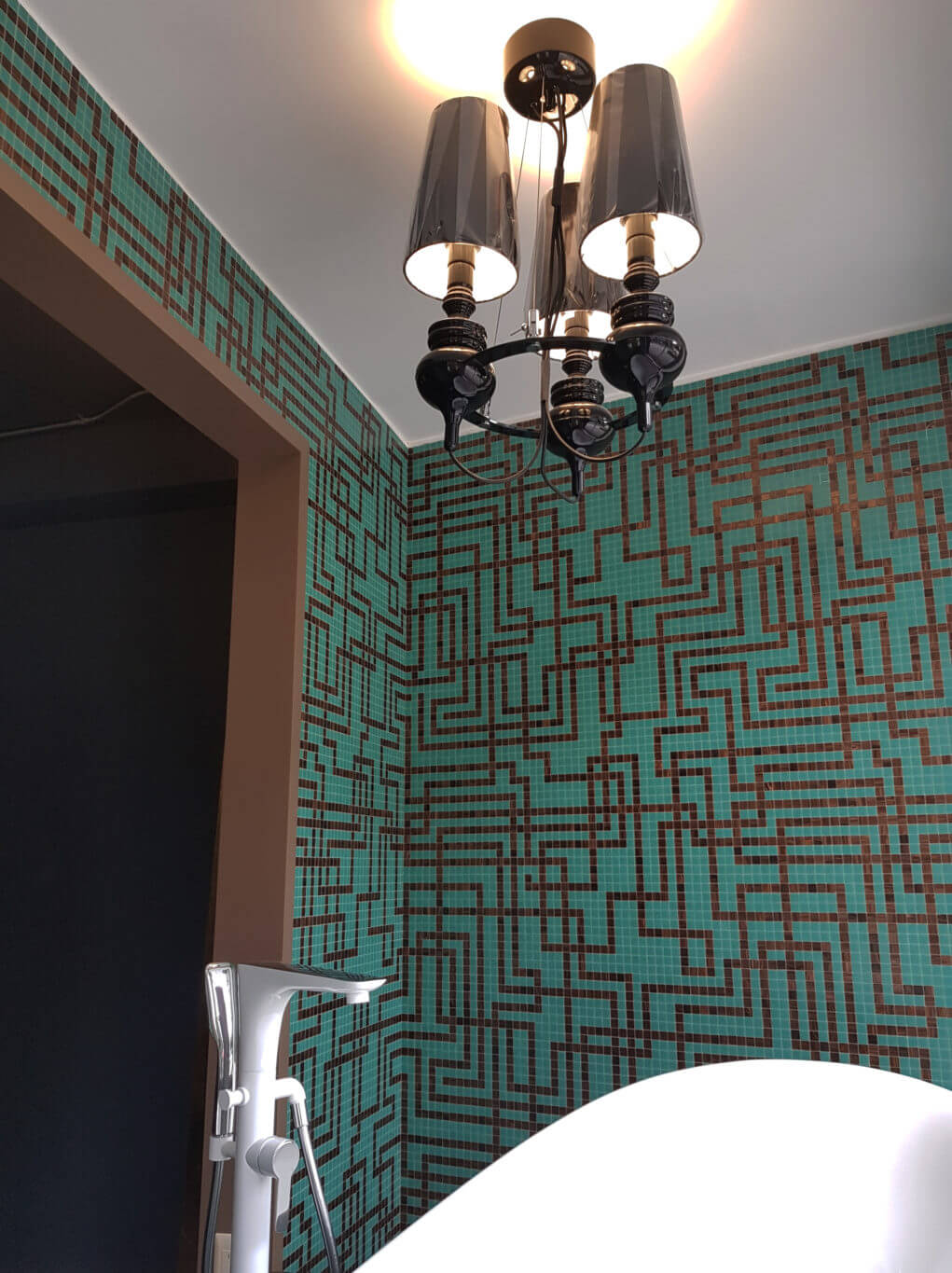
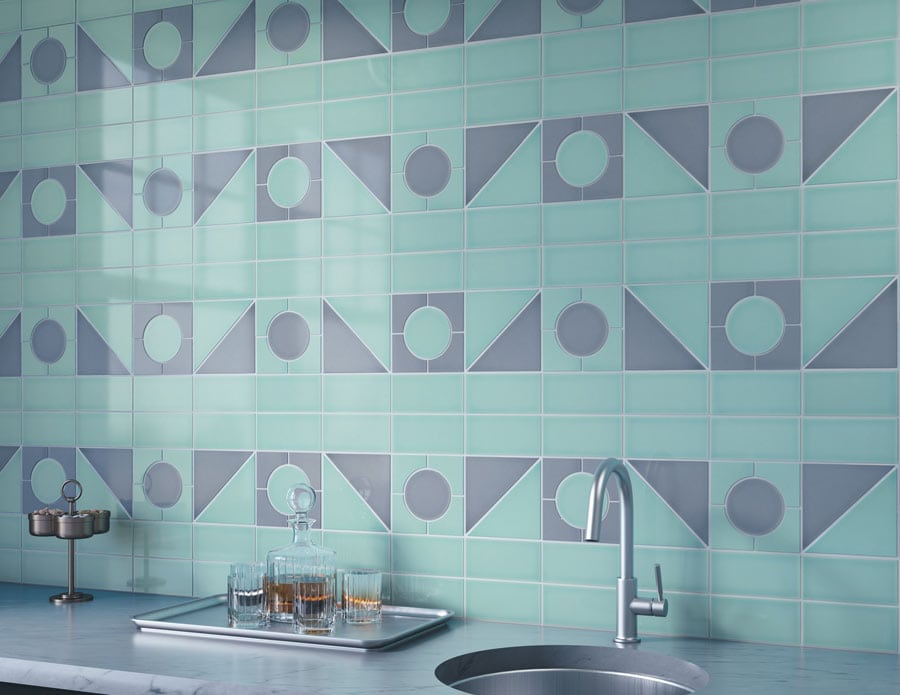
Today’s interiors borrow from Islamic tile’s geometric precision to create playful patterns.
Additionally, historical uses continue to inspire ceramic and porcelain tile styles. In fact, modern tile can achieve the look of any design from any point in history.
This capability is thanks to advanced manufacturing technologies that produce ceramic and porcelain tile in seemingly endless design options. It’s also due to tile’s versatility for use in any space, indoors or out.
Think of any building material that was popular at any point in time — be it gold, natural stone, brick, wood, terra cotta, or marble — and ceramic and porcelain tile can create a virtually indistinguishable look.
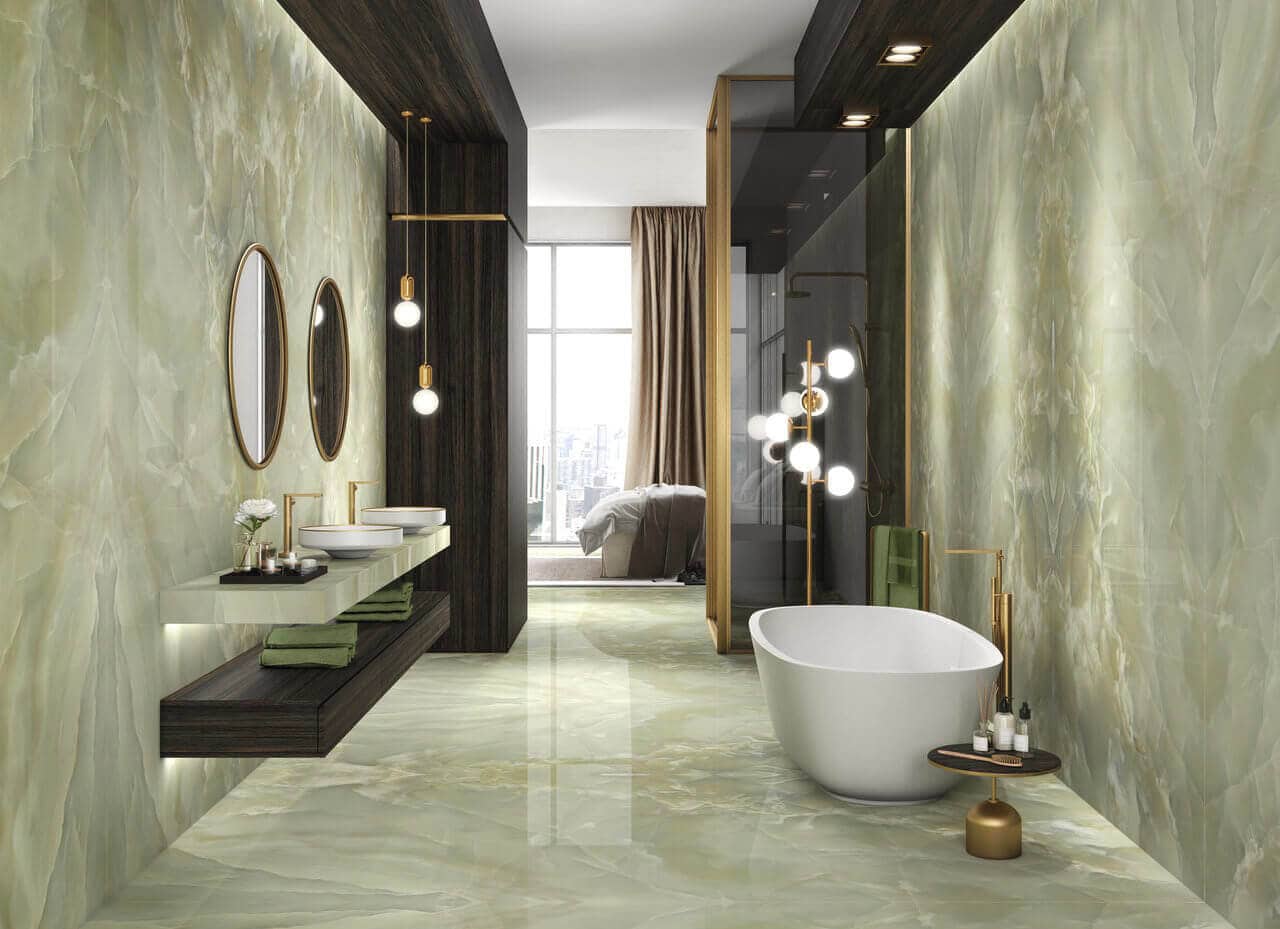
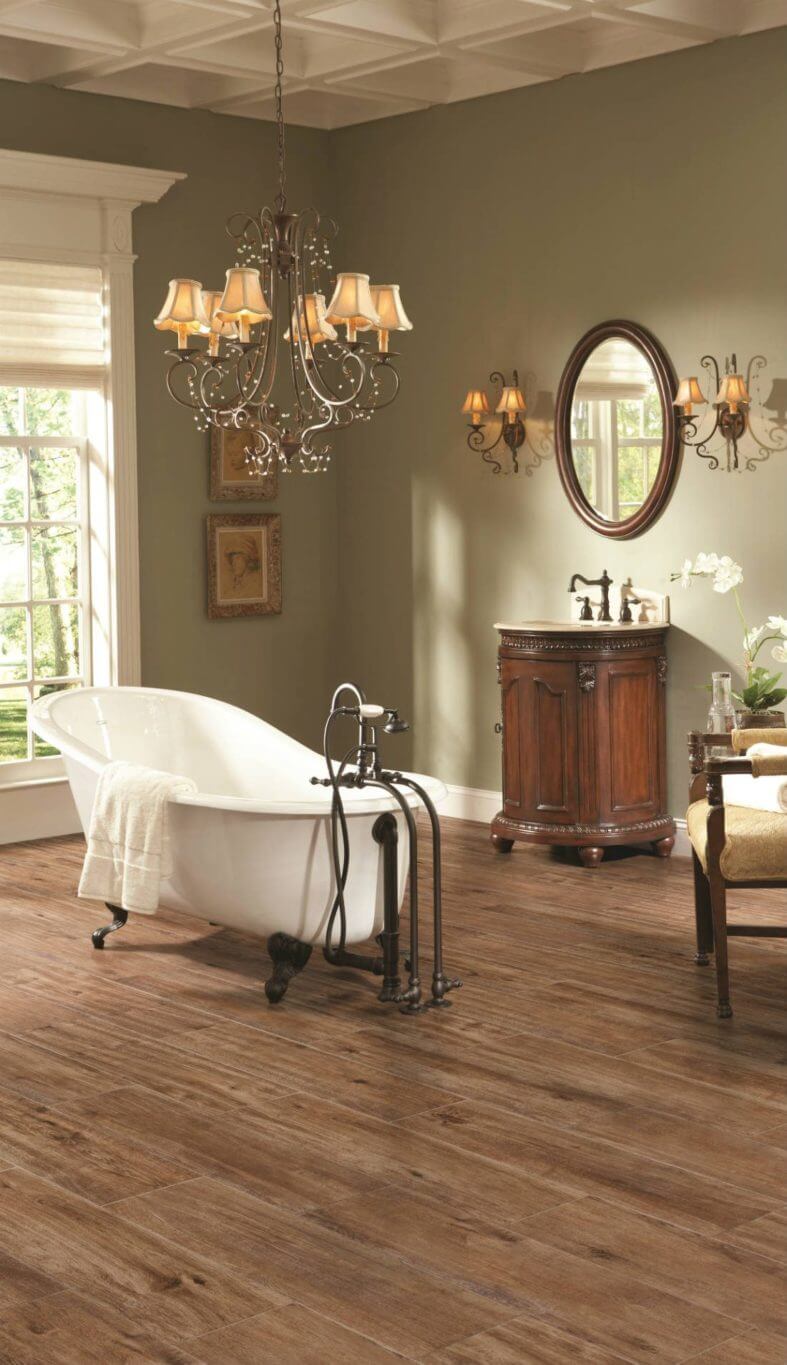
Marble-look gauged porcelain tile panels and slabs grace a modern bathroom.
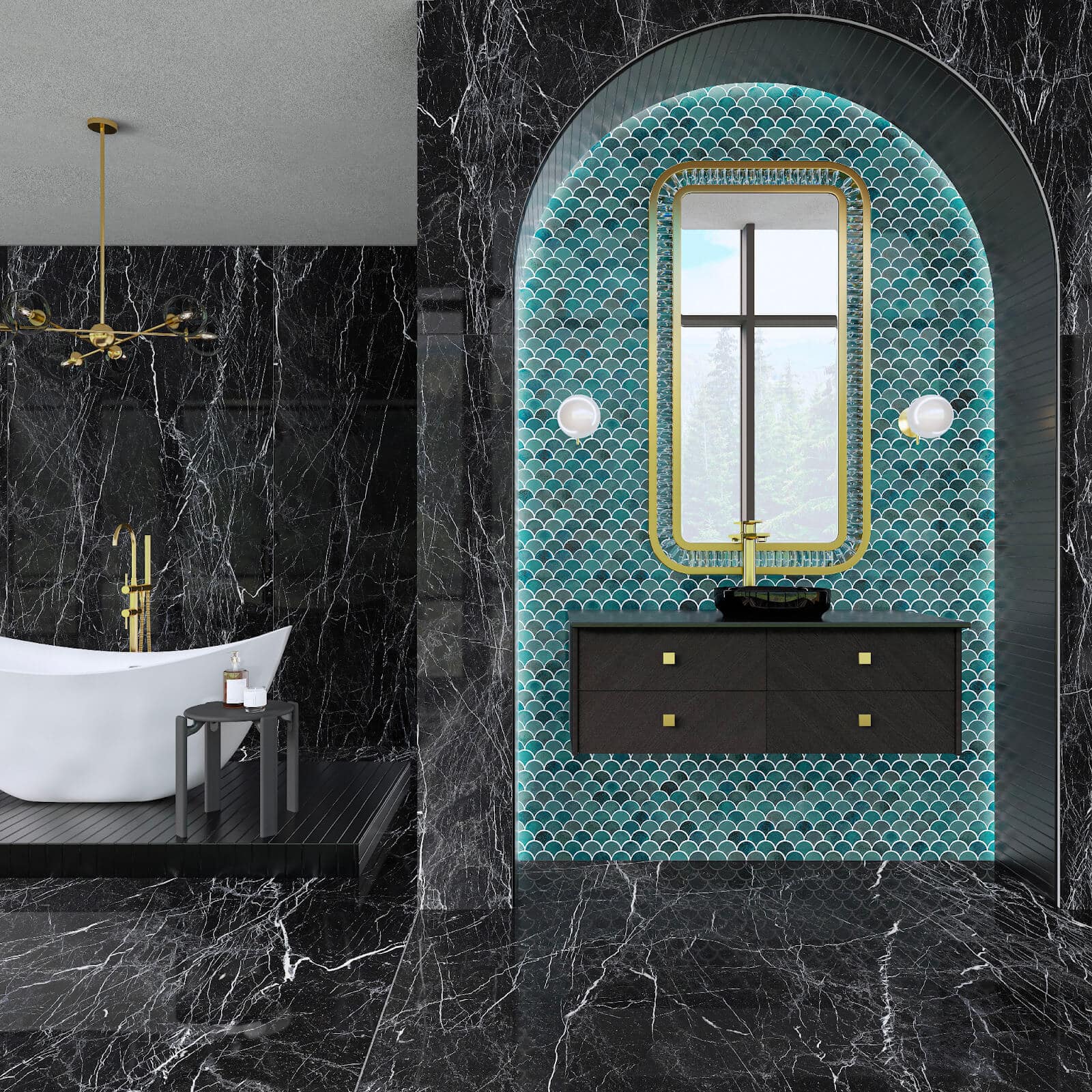
Tile mirrors the veining and depth of marble in a 21st-century bathroom.
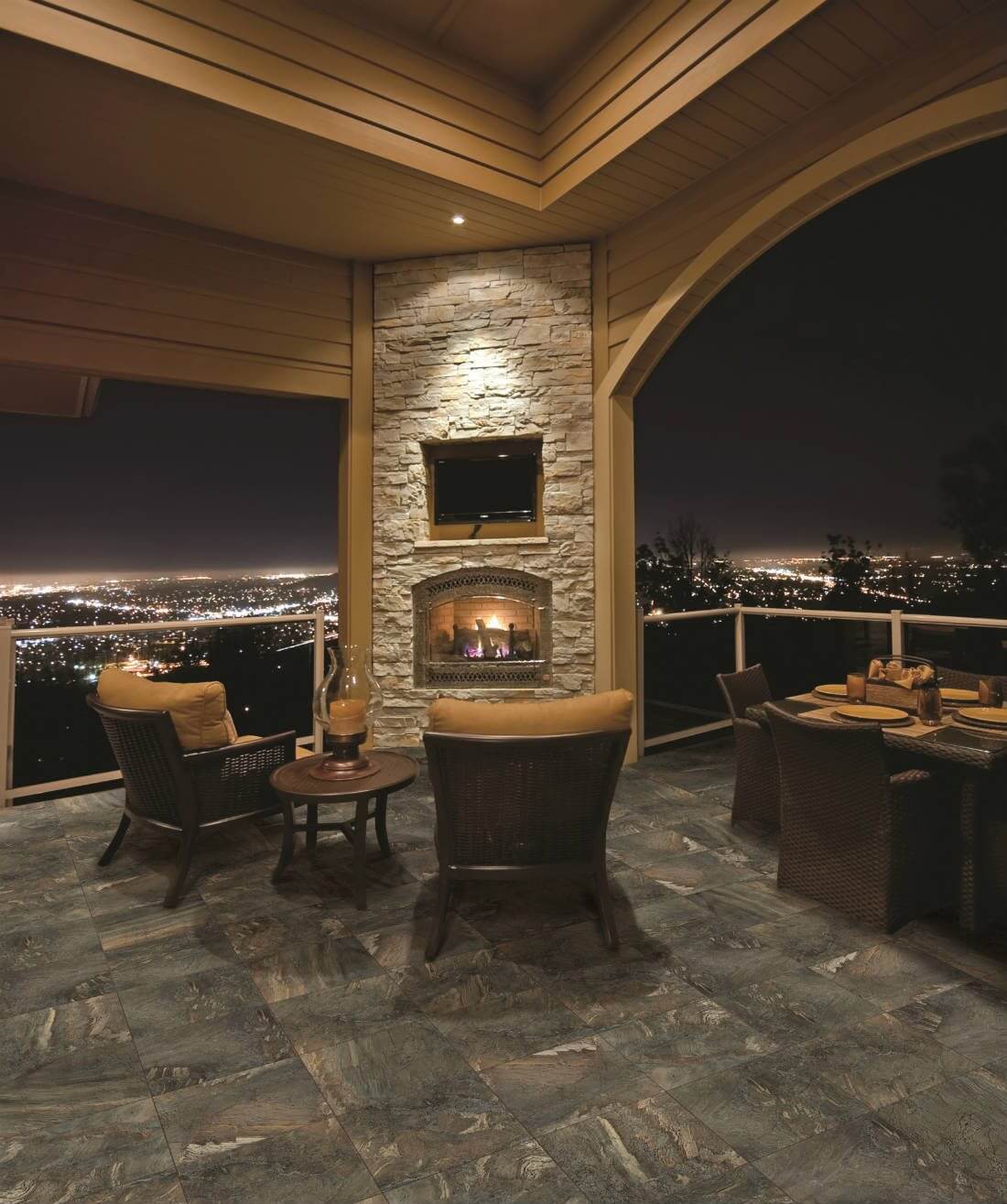
Ceramic tile captures the warmth of cut stone.
[Related: Versatile Design Ideas With Porcelain Tile]
Tile: The Timeless Choice
Just as ceramic and porcelain tile have been style catalysts throughout history, count on ceramic and porcelain tile to lead the most popular yet-to-be-seen designs of the 21st century and beyond.
With the ability to create almost any natural look and a vast combination of tile sizes, shapes, colors, layouts, and textures, the exploration of uncharted territories is compelling.
Ceramic and porcelain tile offer both designs and durability that defy time. Whether you look to the past, the present, or the future for your ceramic or porcelain tile design, you’ll have an impressive tile application to use and admire for years to come.
[Related: Tile: The Modern Flooring Option]
Discover Enduring Tile Design
For more examples of ceramic and porcelain tile throughout history, visit Why Tile’s curated Tile History and Notable Tile Installations archives.
Additionally, visit the Tile Heritage Foundation (THF), a member-supported, 501(c)(3) nonprofit organization with a mission to protect and preserve the history of the American tile industry. THF is dedicated to promoting an awareness and appreciation of ceramic surfaces in the United States.
THF serves as an archive that embraces all aspects of the American tile industry, from the industry’s emergence in the 1870s to the present, validating the significance of American tile for posterity.