Hygiene Guides
Ceramic tile offers clear, practical advantages for creating healthier spaces.
On this page:
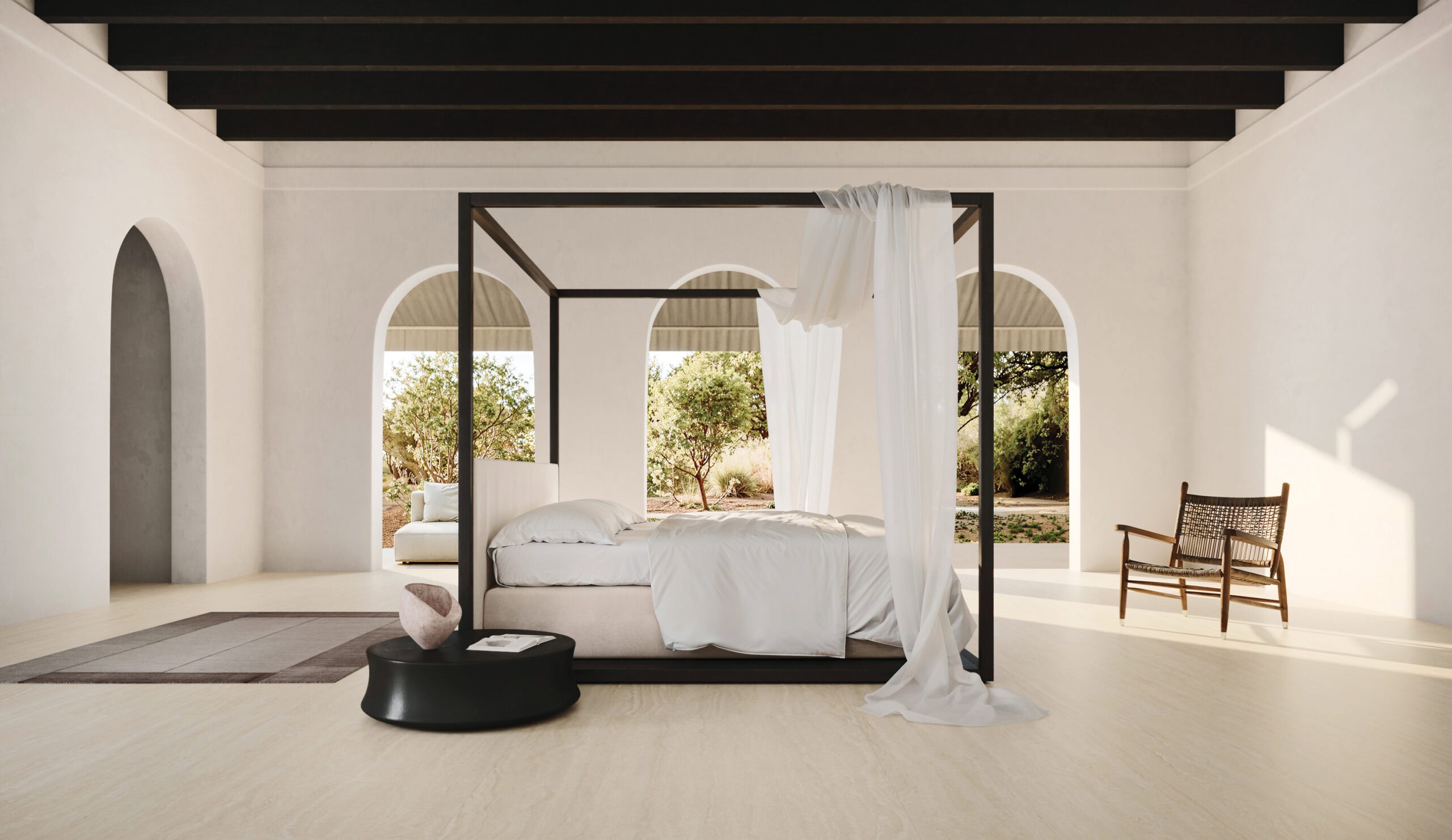
Guides for Healthy Tile Surfaces
Every type of ceramic tile, including porcelain tile, quarry tile, wall tile, and pressed pavers, shares all these benefits of ceramic tile.
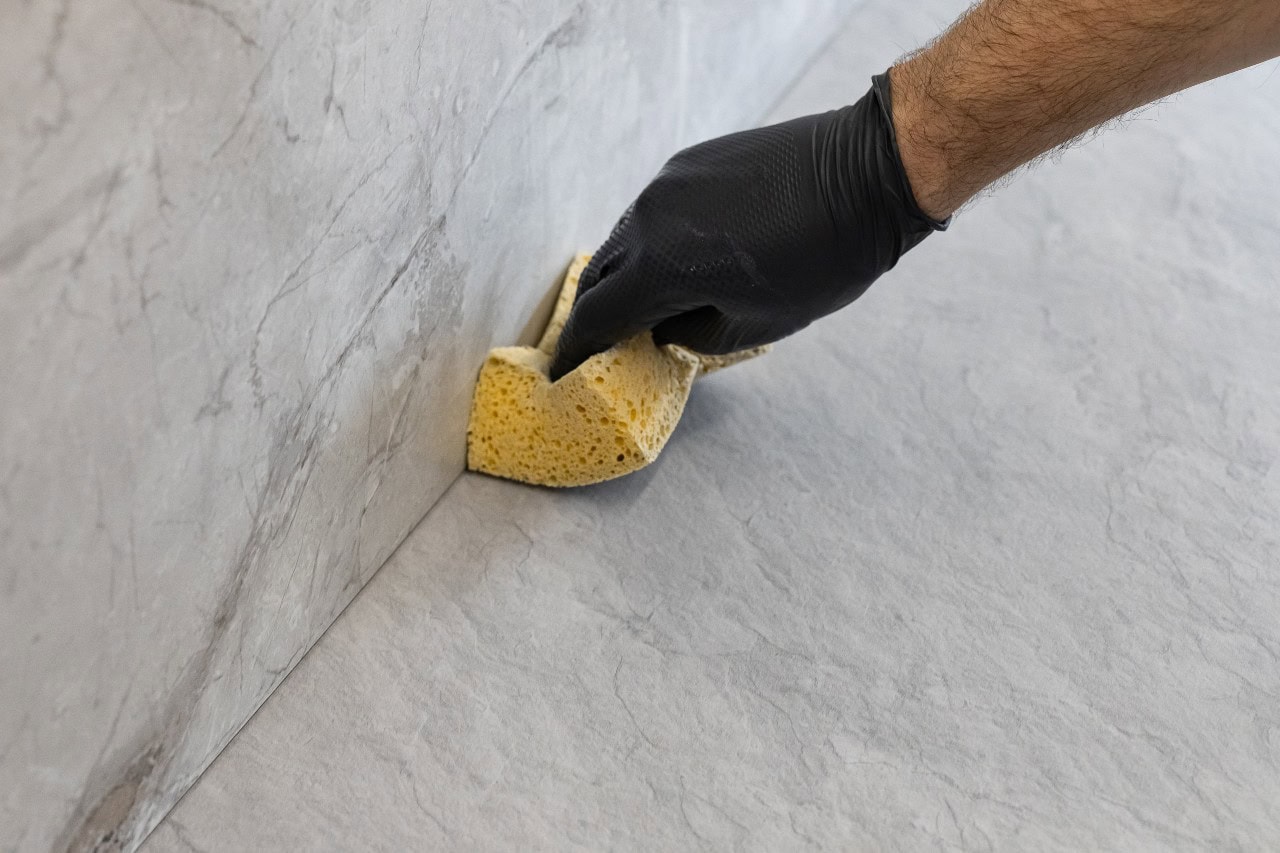
Tile Cleaning Guide
Ceramic tile’s low-maintenance benefits make cleaning easy, so you can clean up most messes merely by sweeping, wiping with water, and drying. Learn more about regular tile maintenance and what to do for extra-tough messes, including information on recommended cleaners and disinfectants.
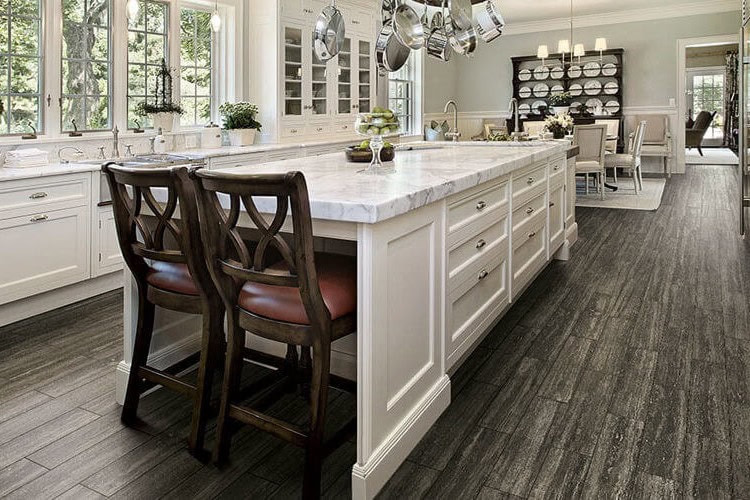
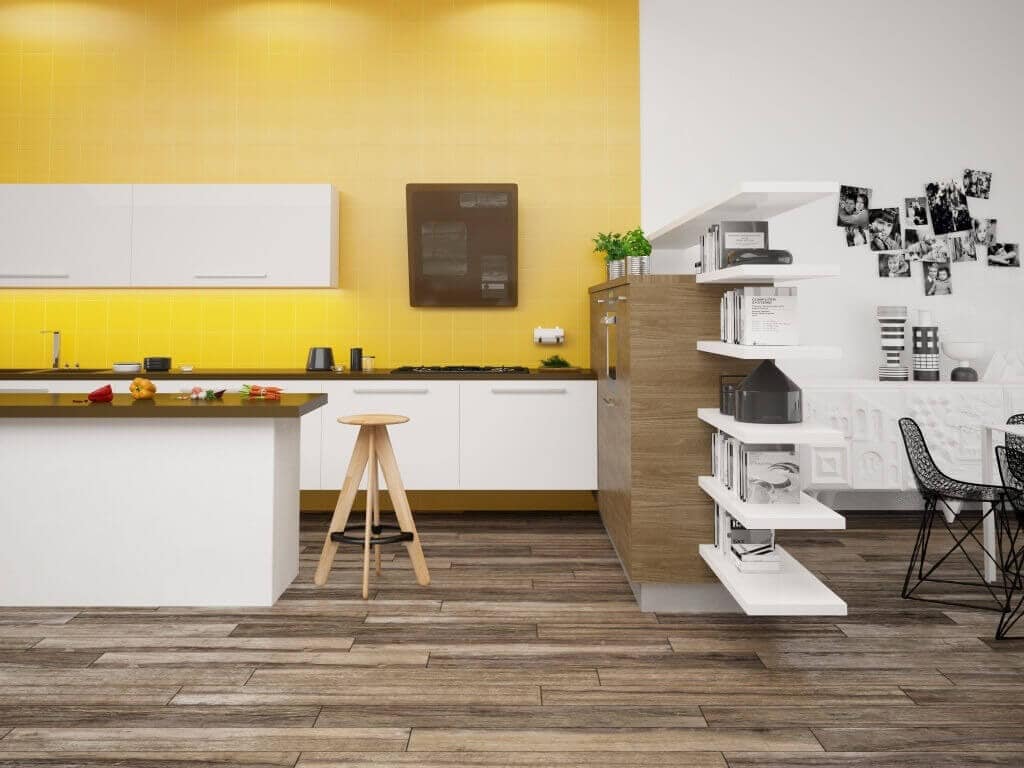
Kitchen Flooring Guide
Kitchen flooring is confronted with a tall order: As the heart of the home, it needs to look great. As one of the most-used rooms of the house, it needs to handle heavy foot traffic. And as the place in which your family prepares and consumes meals, it needs to promote a healthy and hygienic environment and lighten your cleaning load. Learn how ceramic tile meets all of these demands and then some.
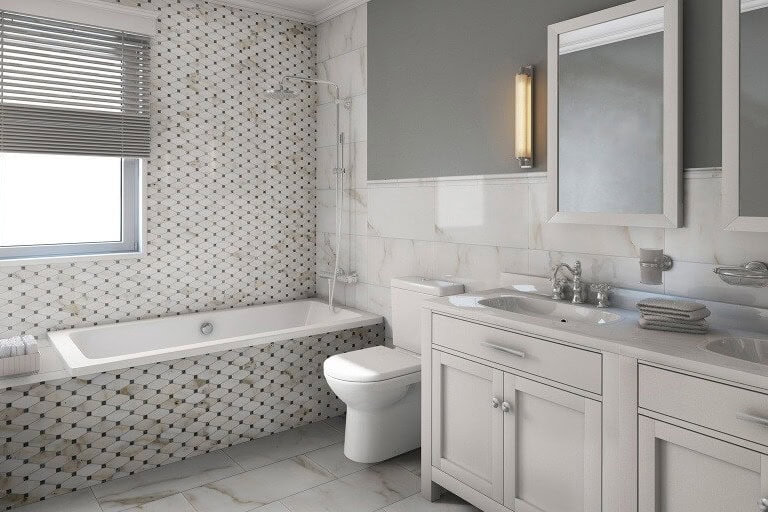
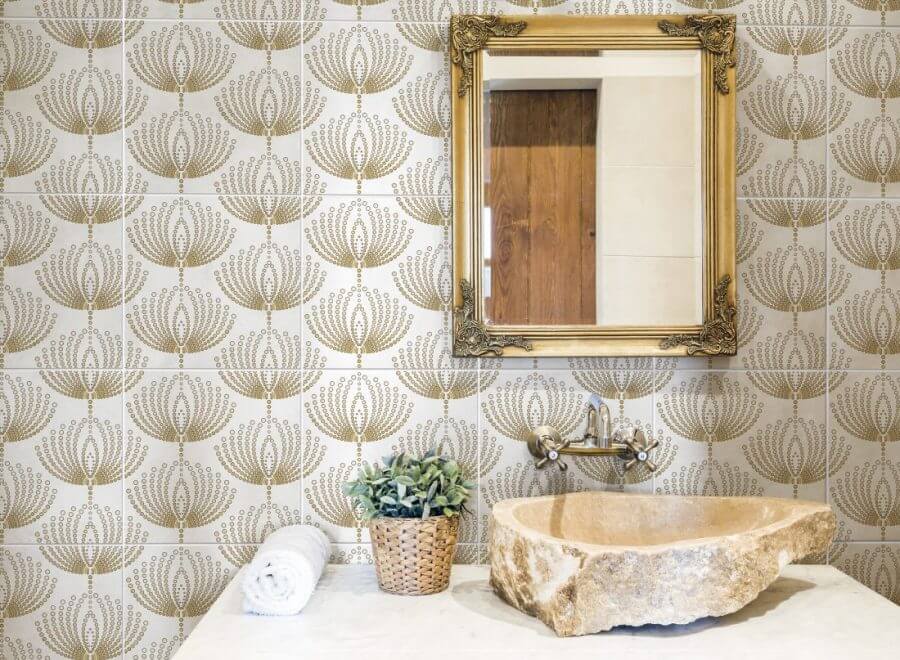
Bathroom Tile Guide
We all know that moisture creates a breeding ground for mold, mildew, and other types of fungi—none of which are desirable in a space that’s supposed to help keep us clean and promote our well-being. Learn how ceramic tile helps keep bathrooms clean and hygienic with its bacteria resistance and low maintenance, and get tips on the best ceramic tile designs for bathrooms.
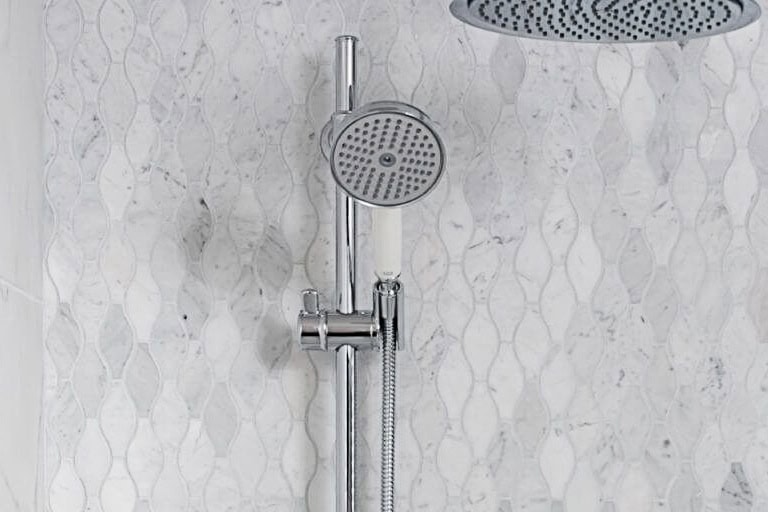
Shower Tile Guide
Ceramic tile is an ideal material option for showers because of its slip resistance, water resistance, bacteria resistance, and low-maintenance care. Explore ceramic tile’s other benefits for showers and 40 of our favorite shower tile designs.
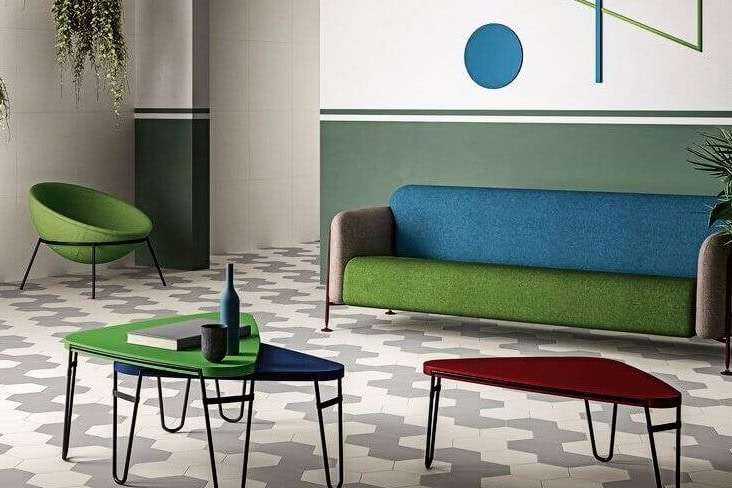
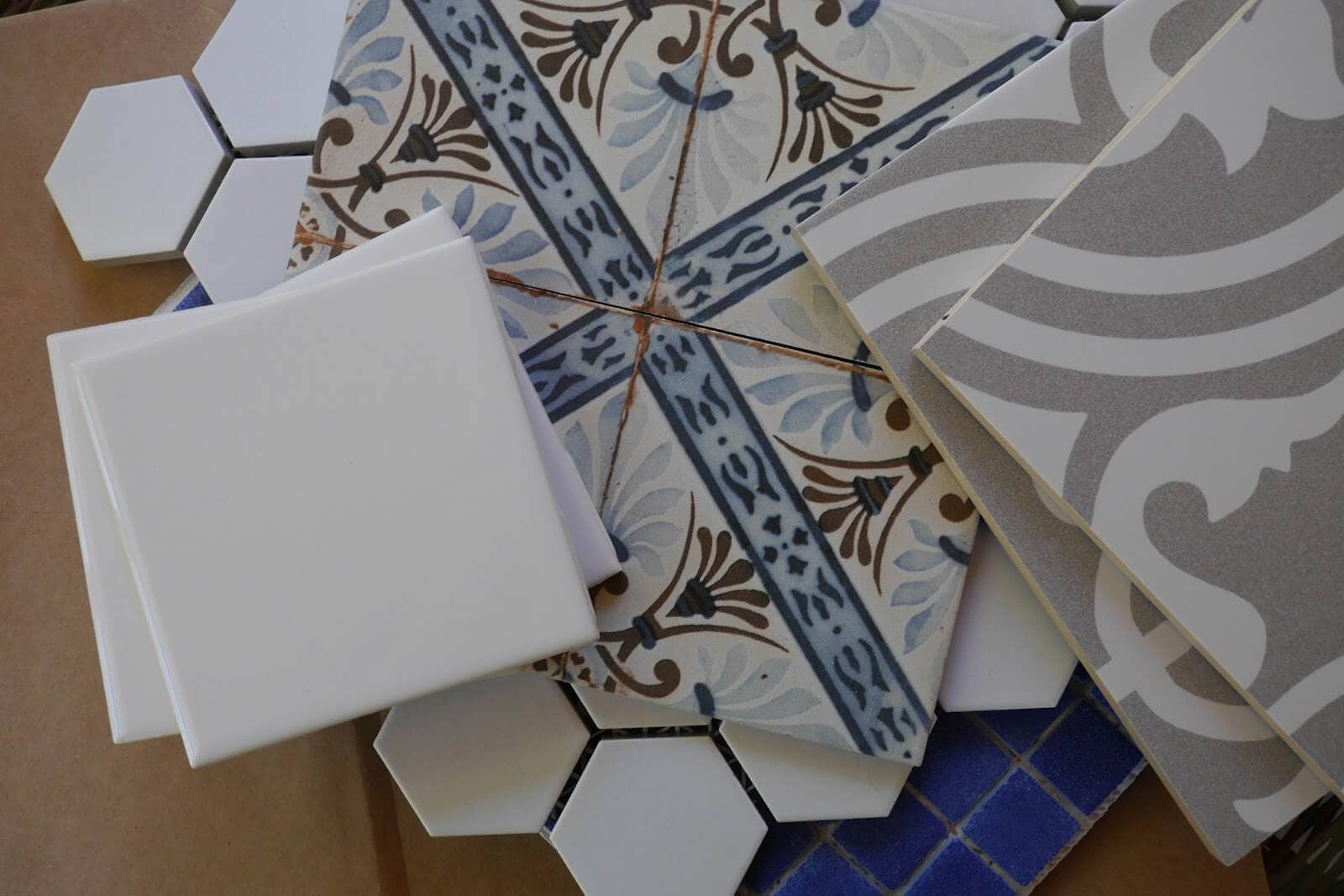
Modern Tile Flooring Guide
Ceramic tile has a long and rich history of use around the world, but it’s also one of the most modern flooring options available. While advances in digital imaging and printing make innovative contemporary designs possible, ceramic tile’s enduring low maintenance, cost savings, functionality, sustainability, and—you guessed it—health advantages continue to benefit home and business owners as well.
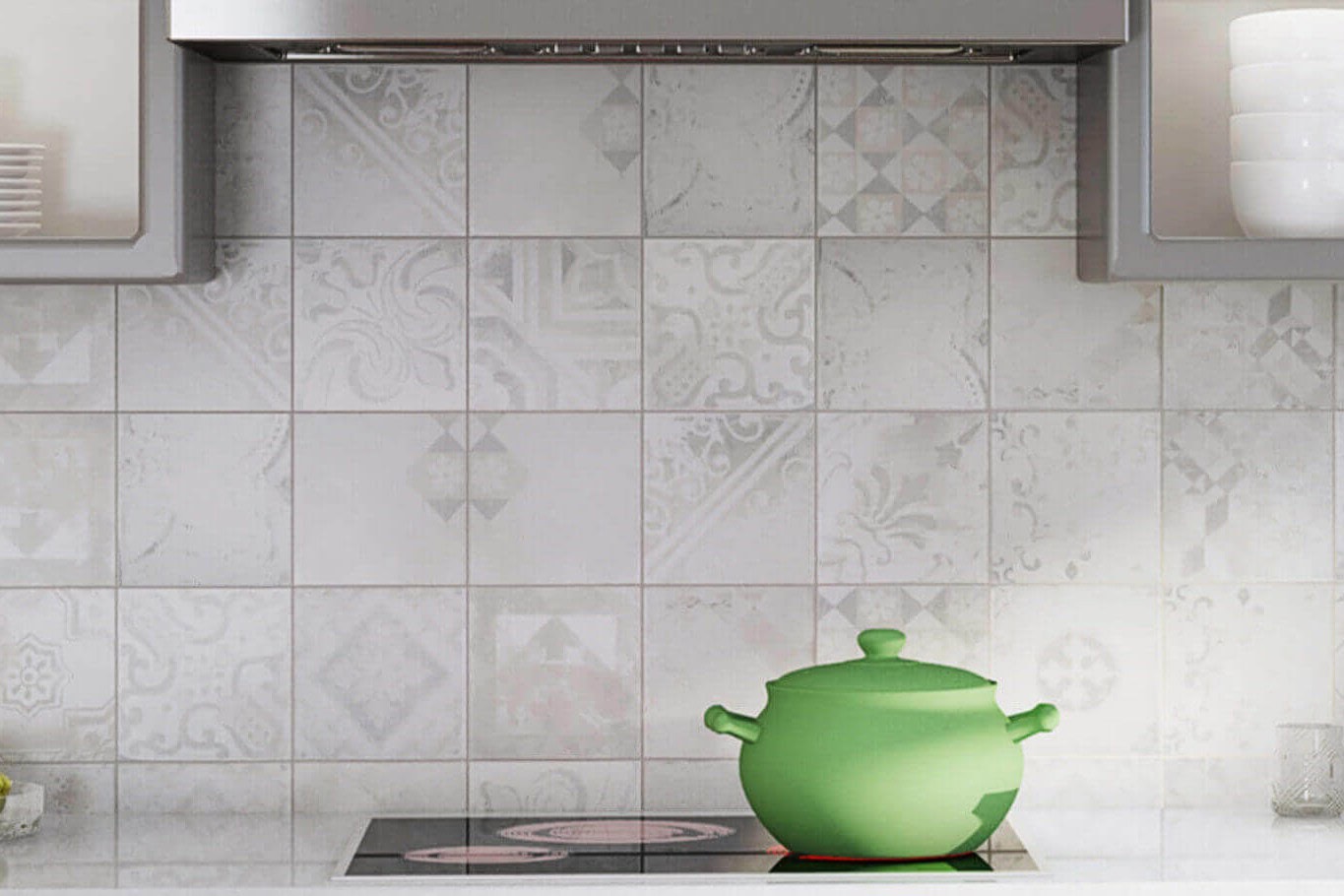
Backsplash Tile Guide
The wall space above your bathroom and kitchen counters is a target for soap, water, grease, dirt, food and beverage splashes, and more—which is why backsplashes are so important. Choosing the right material for your backsplash ensures that it can stand up to stains, liquid splashes, flames from the stove, and more.

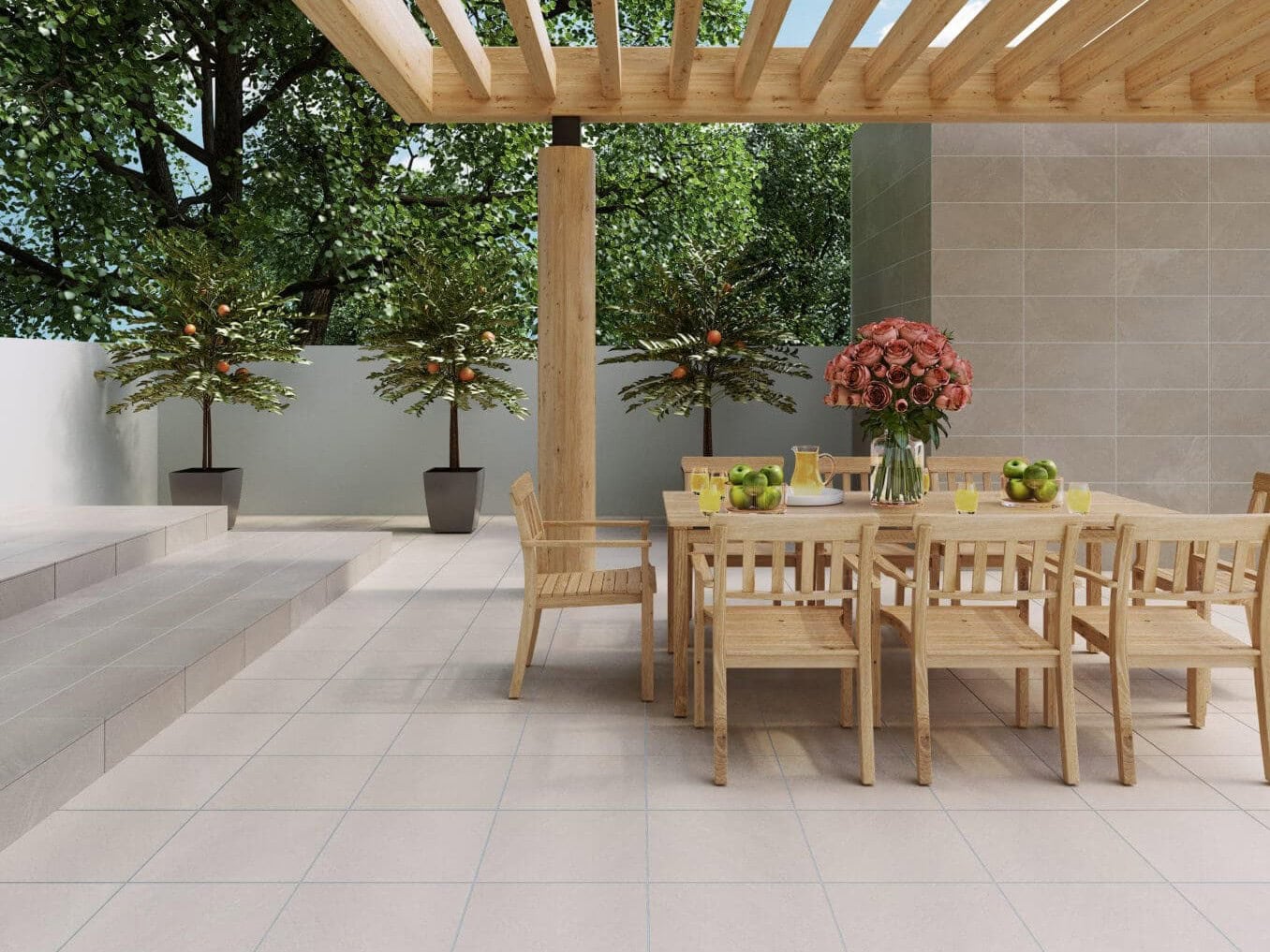
Outdoor Tile Guide
Build in nature without doing nature any harm. Ceramic tile helps make porches, patios, decks, terraces, and other outdoor spaces both functional and stylish—and it’s also one of the most environmentally friendly material choices available.
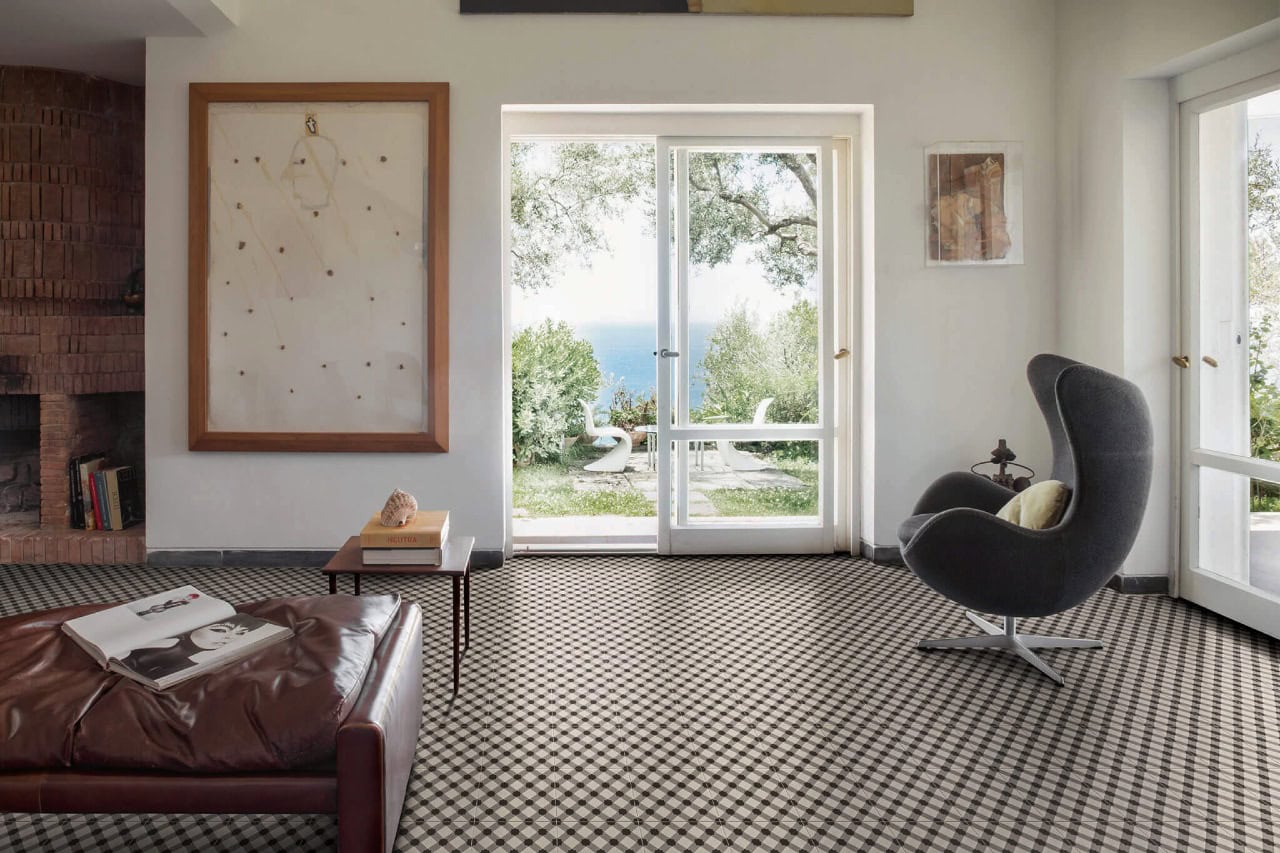
Alergen-Friendly Benefits Guide
While we typically think of allergens as living outside, the building materials in your home can contribute to allergies by harboring allergens and affecting indoor air quality. Ceramic tile is an excellent choice for anyone who suffers from allergies because of its nonporous and allergen-free surface, easy cleaning, and lack of VOCs.
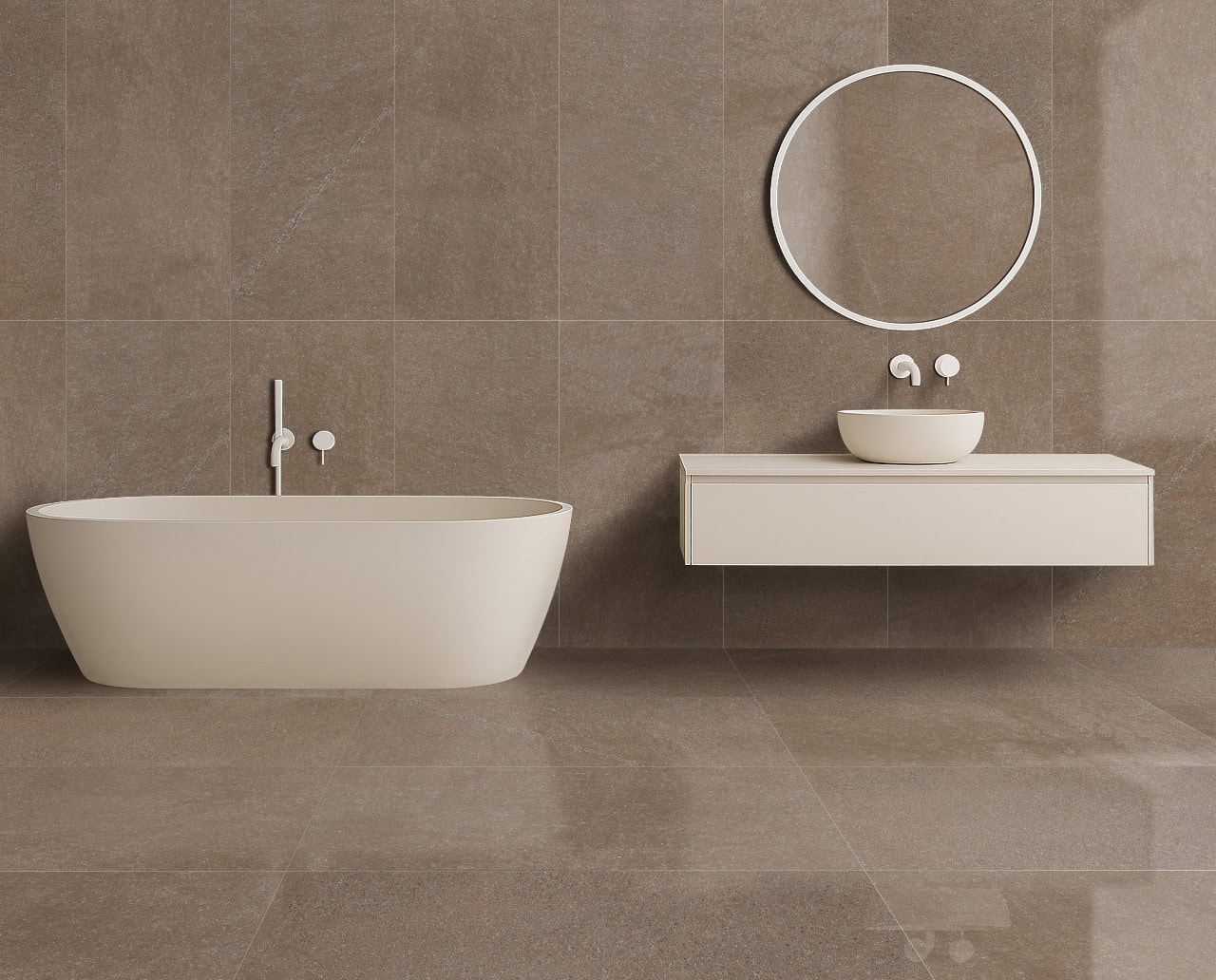
Health & Hygiene Tile Advantages
- Easy to clean: Wiping with some soap and water is all that’s needed to clean up most messes—no harsh chemicals are necessary.
- Bacteria-resistant: Tile is inhospitable to the growth of bacteria and other microbes such as mold.
- Antimicrobial: Options are available with antimicrobial properties that can suppress and even destroy harmful microorganisms, such as mold, fungi, bacteria, and viruses.
- Hypoallergenic: Ceramic tile contains no allergens, and allergens in the environment such as dust, dirt, and pollen can’t penetrate its nonporous surface.
- No volatile organic compounds (VOCs): VOCs are harmful gases that cause various health concerns and are emitted by virtually all flooring types except ceramic tile.
- No formaldehyde: Some wood products may contain formaldehyde. Certain levels of formaldehyde can irritate asthma and other respiratory disorders, but ceramic tile does not contain formaldehyde.
- No polyvinyl chloride (PVC): Ceramic tile is free of PVC, a resin found in vinyl flooring. PVC contains phthalates and organotins, both regularly a subject of concern among health experts.
- No plastic: The health and environmental concerns associated with plastic aren’t an issue for ceramic tile.
- Nontoxic: Ceramic tile doesn’t emit any toxic fumes when exposed to fire.
- Naturally occurring materials: Ceramic tile is a healthy choice for both you and the environment.
Download the guide to learn more about creating healthy and hygienic spaces with ceramic and porcelain tile.
Tile Benefits for a Healthy Planet
The materials used to make ceramic tile are often sourced within 500 miles of manufacturing facilities, significantly reducing the emissions and energy associated with long-distance shipping. Ceramic tile’s durability allows it to be used for generations. Because ceramic tile is made from naturally occurring materials, it typically qualifies for use as clean fill at the end of its long life cycle.
Recycling
- Pre- and post-consumer recycled content available
Salvageable
- Can be salvaged in a major renovation and repurposed
Can be typically used as clean fill
- Reusable as construction filler
- Does not contribute to growing landfill issues
Lowest carbon footprint of any flooring material in North America
- Lowest global warming potential
- Lowest fossil fuel resource depletion
Durable
- Life span of 75+ years
- Lowest life cycle cost compared to other flooring materials
Energy-efficient
- Inherent thermal mass reduces peak heating and cooling to help lower energy costs
- Creates the possibility of natural conditioning for more stable and comfortable indoor environments

Healthy Cleaning Is Simple
Keep these tips handy with this foldable download tip sheet.
Unlike many other surface materials, ceramic tile won’t fade or dull from harsher cleaning chemicals and disinfectants, should you need to use them occasionally. The Environmental Protection Agency has a list of registered cleaning disinfectants you can consult. If you don’t have any of these registered products, some common household products—including simple soap and water—can also be effective disinfectants. Each cleaning agent may be more or less effective toward a particular virus or bacteria.
From there, clear, clean water is often all that’s needed to clean your tile. If you find you must use something stronger, turn to a neutral cleaner made specifically for grout or tile, or a mildly alkaline detergent (e.g., “Mr. Clean,” “Spic and Span”).
Stay away from using harsh cleaners on a regular basis. The effect of using cleaners with a high pH (bleach = alkaline) or low pH (vinegar = acidic) over and over is that they may break down some sealers that are there to help prevent soap scum, oils, and dirt from penetrating the grout.
Always rinse with clean, clear water after cleaning to remove any residue. Any residual cleaner, soap, or detergent must be removed to prevent it from leaving the tile dull and susceptible to more rapid soiling.
Nylon or plastic scrubbers are handy and generally won’t scratch. These are great tools for helping care for your tile and grout.
Healthy and Easy Tile Maintenance
Ceramic tile’s superior performance means less mess and more peace of mind. Whatever life throws on your surfaces, you’re ready for it.
Unlike many other surface materials, ceramic tile offers options that are:
- Stain-resistant: Your life is bound to see many messes—ceramic tile doesn’t stain easily!
- Water-resistant: Liquid spills can ruin other materials.
- Scratch-resistant: Dents, scrapes, and cuts often seen in other materials aren’t the same danger for ceramic tile, even after years of heavy use.
- Inhospitable to microbes: Ceramic tile’s fired surface means that the bacteria, mold, and mildew cannot settle and grow.
- Easy to clean: You can easily clean ceramic tile merely by sweeping and/or washing with water.
- Fade-resistant: Ceramic tile does not fade, so you can feel free to redecorate and move your furniture at any time.
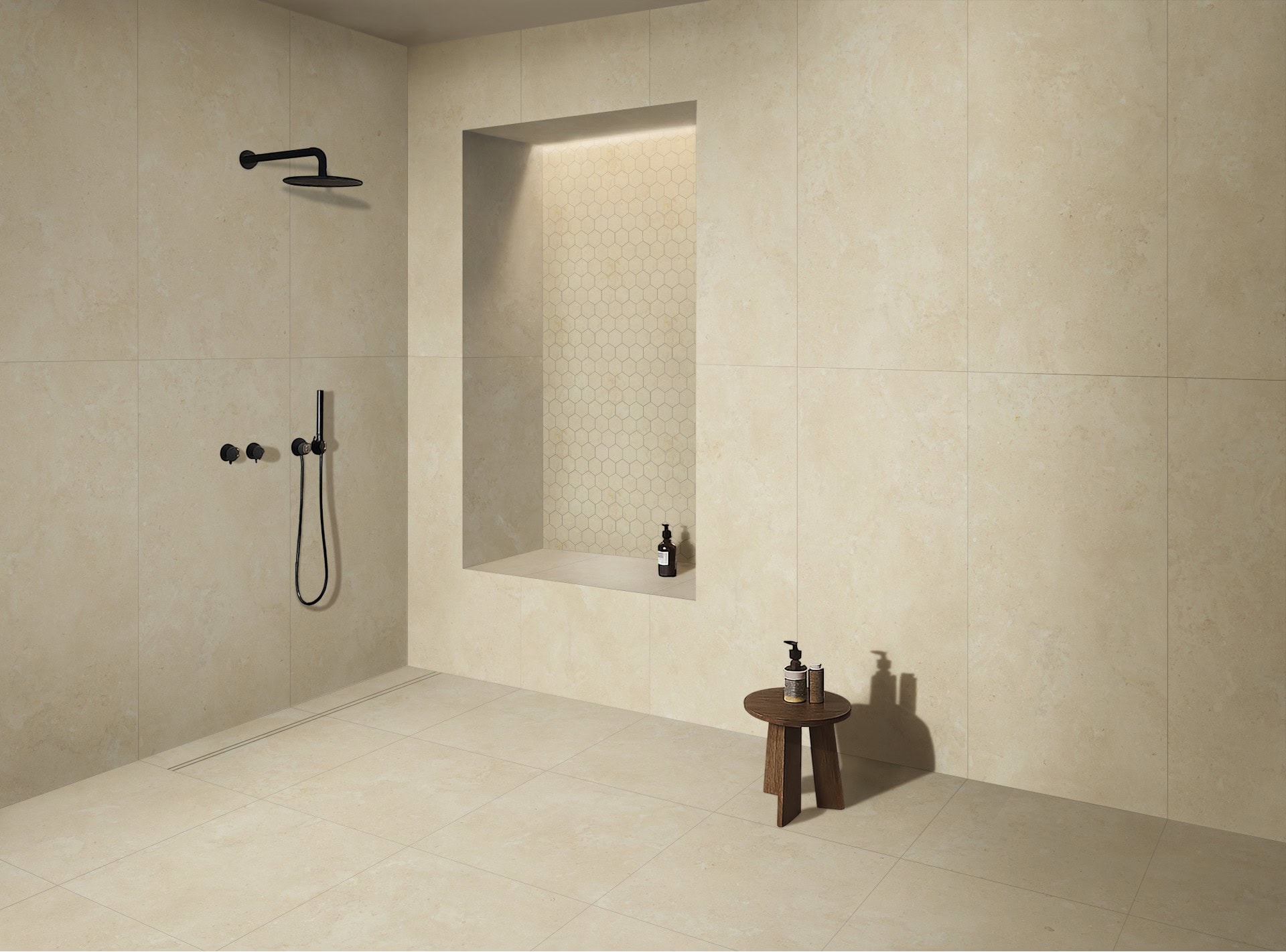
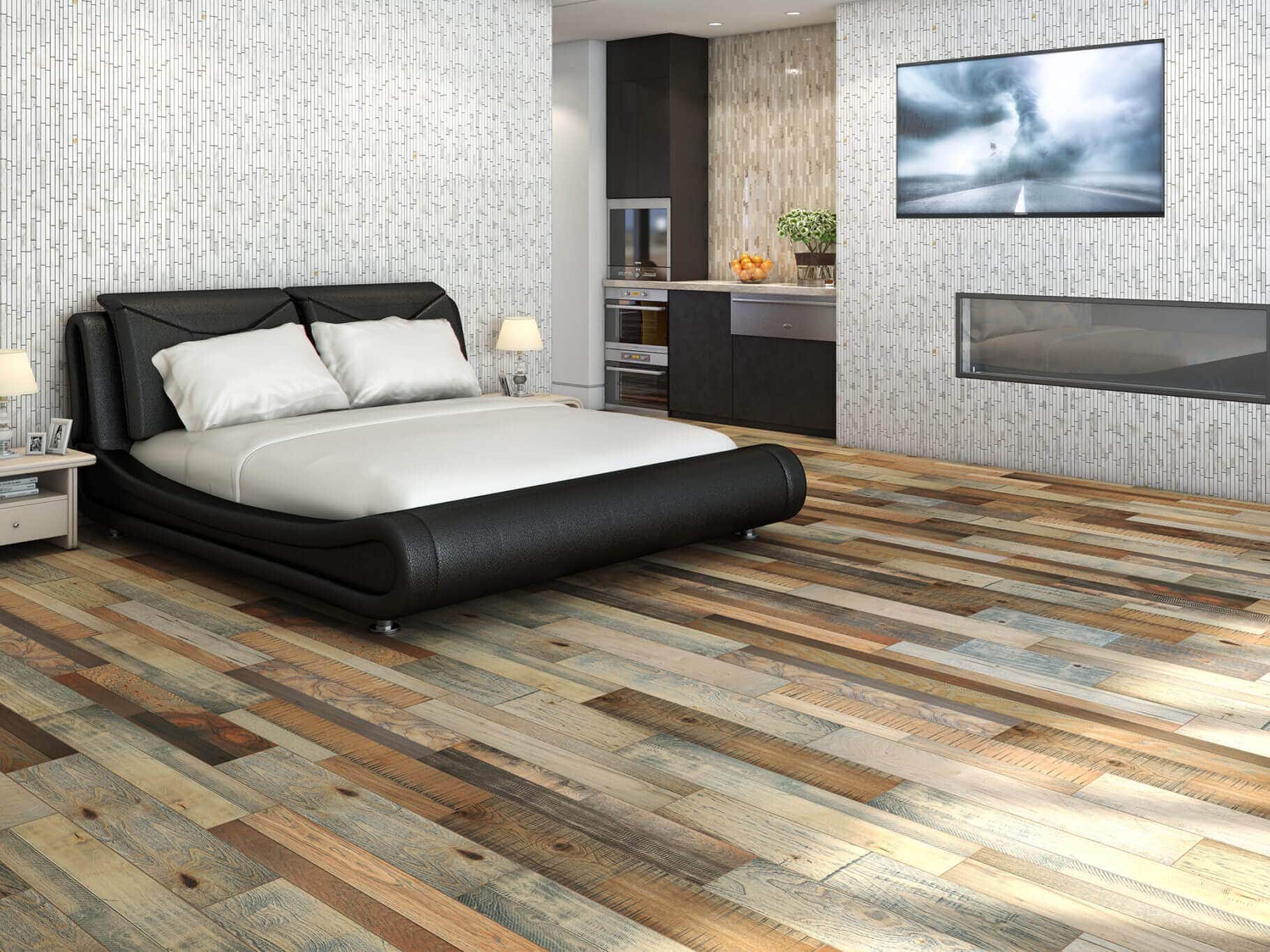
Healthy Home Environment
Many surface covering options contain harmful pollutants that we may be especially wary of. Ceramic tile contains none of the following contaminants and can help you create a healthy living environment:
- Volatile organic compounds (VOCs): Some VOCs emitted by nonceramic building products can contribute to a wide variety of health problems, including “sick building syndrome.” Because ceramic tile is produced (fired) at extremely high temperatures, producing what is called an “inorganic” material, it has zero VOCs.
- Allergens: Ceramic tile’s hard-fired surface won’t absorb dust mites and is also inhospitable to bacteria, fungi, mold, and other irritants that contribute to allergies.
- Formaldehyde: Some wood products may contain formaldehyde. Certain levels of formaldehyde can irritate asthma and other respiratory disorders, but ceramic tile does not contain formaldehyde.
- Polyvinyl chloride (PVC): PVC is a resin used in vinyl flooring and is regularly a subject of concern among health experts and builders. Ceramic tile is free of PVC.
- Plastic: Ceramic tile contains no plastic and has none of the health or environmental concerns associated with plastic.
Healthy Outdoor Living Spaces
Ceramic tile is one of the most eco-friendly design choices for outdoor living spaces, allowing you to build alongside nature without causing nature any harm. This starts with the fact that ceramic tile introduces no harmful materials or toxins into the earth: no plastic-based materials, VOCs, polyvinyl chloride (PVC), or formaldehyde.