
Easy Clean
Ceramic tile’s low-maintenance benefits make cleaning easy. You can clean most messes by sweeping, wiping with water, and drying.
Learn more about regular tile maintenance and what to do for extra-tough messes, including information on recommended cleaners and disinfectants.
On this page:
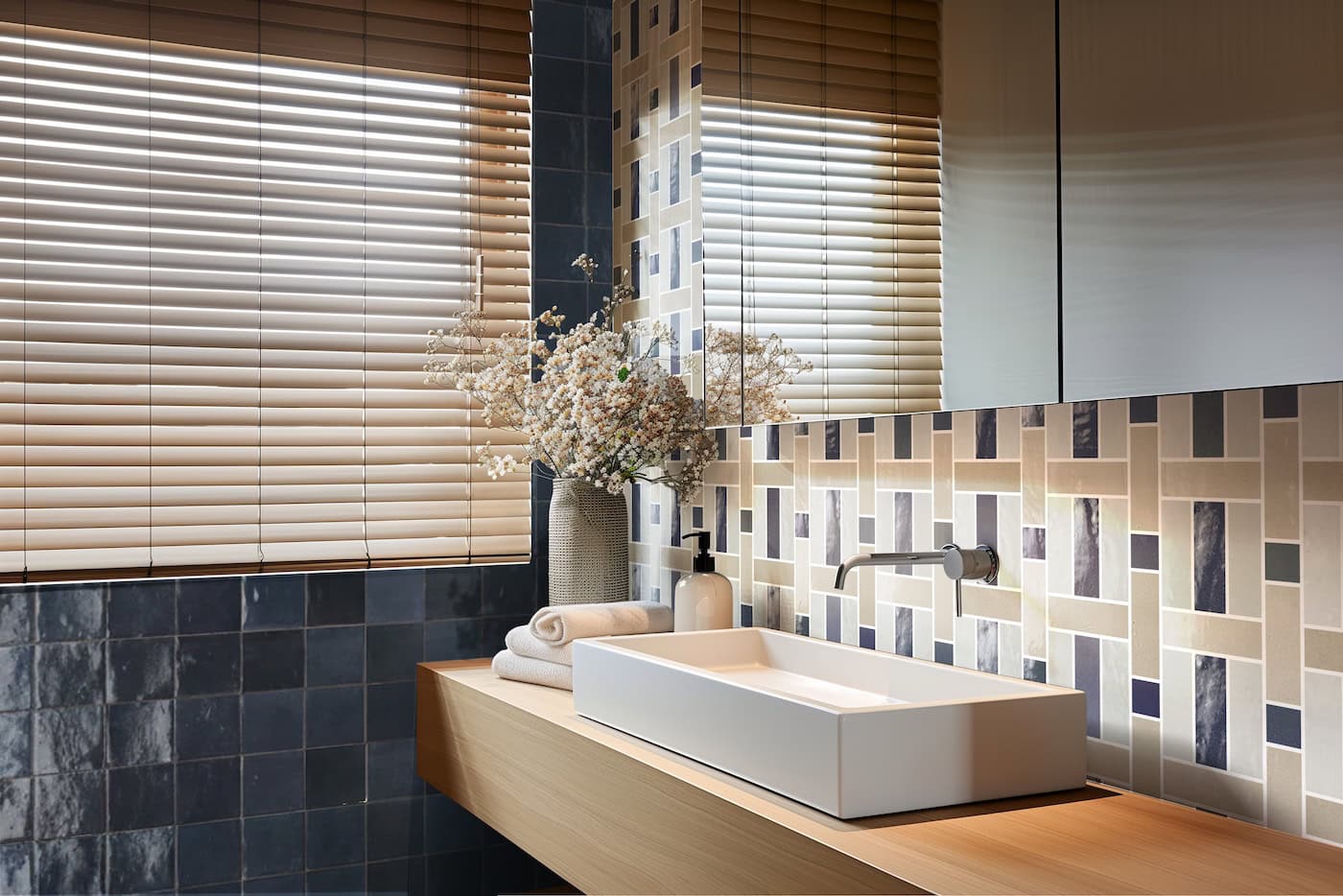
Easy Regular Maintenance
Ceramic tile is extremely low-maintenance. Unlike many other surface materials, ceramic tile offers options that are:
- Stain-resistant: Your life is bound to see many messes—ceramic tile doesn’t stain easily!
- Water-resistant: Liquid spills can ruin other materials.
- Scratch-resistant: Dents, scrapes, and cuts often seen in other materials aren’t the same danger for ceramic tile, even after years of heavy use.
- Inhospitable to microbes: Ceramic tile’s fired surface means that the bacteria, mold, and mildew cannot settle and grow.
- Easy to clean: You can easily clean ceramic tile merely by sweeping and/or washing with water.
- Fade-resistant: Ceramic tile does not fade, so you can feel free to redecorate and move your furniture at any time.

Simple Cleaning
Well-known for being easy to clean, you can still benefit from some ceramic tile cleaning know-how. Here are some tips:

Sweep
Step one in caring for your ceramic tile is to simply sweep away dirt and debris that may be tracked in by our feet (or paws) each day. If you are using throw rugs, it’s a good idea to clean throw rugs regularly, whether in the washing machine or by shaking them thoroughly outside. Likewise, for your ceramic tile countertops, be sure to brush off any crumbs or other debris from the counter, just as you would the floor.
Sweeping gives you the cleanest start possible for any further cleaning or disinfecting necessary.

Wipe with Water
When Water Is Not Enough
Life happens, and sometimes things end up on your tile that you cannot sweep away or wipe off with water. Grease from cooking is a common culprit. Or, you may want to disinfect your surfaces. If you find that you do need something more than water to clean up, use a neutral cleaner that’s formulated especially for grout and tile. Do not use oil or wax-based cleaners, as they will leave a residue on your tile and grout that then attracts dirt more readily.
Types of Tile and Grout Cleaners
Alkaline, acidic, and neutral are the three categories of cleaners. Alkaline means that the pH is higher than 7, acidic is less than 7, and neutral pH is 7.
Elbow Grease
So, now you know that water is king when it comes to cleaning tile. But what if the grout has mildew or other stains despite your diligence? Scrubbers made of nylon or plastic do a great job of removing stains from grout.
If your grout has mildew stains that you cannot scrub out, water may have gotten into the grout, perhaps because the sealant has worn down. In cases like this, you can rent a steam cleaner that will bring the stains to the surface of the grout, where you can clean them off. The last resort is to remove and replace the grout, but consider consulting with an expert beforehand to determine the best course of action.
Disinfecting
Unlike many other surface materials, ceramic tile won’t fade or dull from harsher cleaning chemicals and disinfectants, should you need to use them occasionally. The Environmental Protection Agency has a list of registered cleaning disinfectants you can consult. Should you not have any of these registered products, some common household products—including simple soap and water—can also be effective disinfectants. Each cleaning agent may be more or less effective towards a particular virus or bacteria.

Simply Clean
Ceramic tile is simple to maintain and keep clean as long as you follow the basics. Keep these tips handy with this foldable, downloadable tip sheet. Sweep and wipe down with clean water at least weekly, or as necessary. When you need more cleaning power, stick to neutral or mild alkaline cleaners specially formulated for tile and grout. Last but not least, rinse thoroughly, making sure to remove all residue and dry the area well.
Follow these guidelines and your ceramic tile and grout will stay sparkling clean!
FAQ


Explore Tile Case Studies

Ritz-Carlton NoMad
A hospitality experience that merges urban sophistication and creativity with refined comfort.

Brightline Rail Terminal
Creating a beautiful space to accommodate commuters and travelers for a 235-mile network of rail lines for Brightline’s busy rail stations in Florida.

Lexington Office Park
Modernizing an office park outside Boston, creating a fresh look with porcelain tile panels while avoiding the need to demolish previous surfaces.

Download the Tile Buying Guide
This free Tile Buying Guide is your comprehensive guide to selecting tile, tile options, tile patterns, tile applications, and more.
