
Bridgemarket
Location: New York, New York
Year of Installation: 1909
On this page:
Source: Suzanne Ambrogio Jaffe
Source: Suzanne Ambrogio Jaffe
Source: Suzanne Ambrogio Jaffe
Craftmanship Features
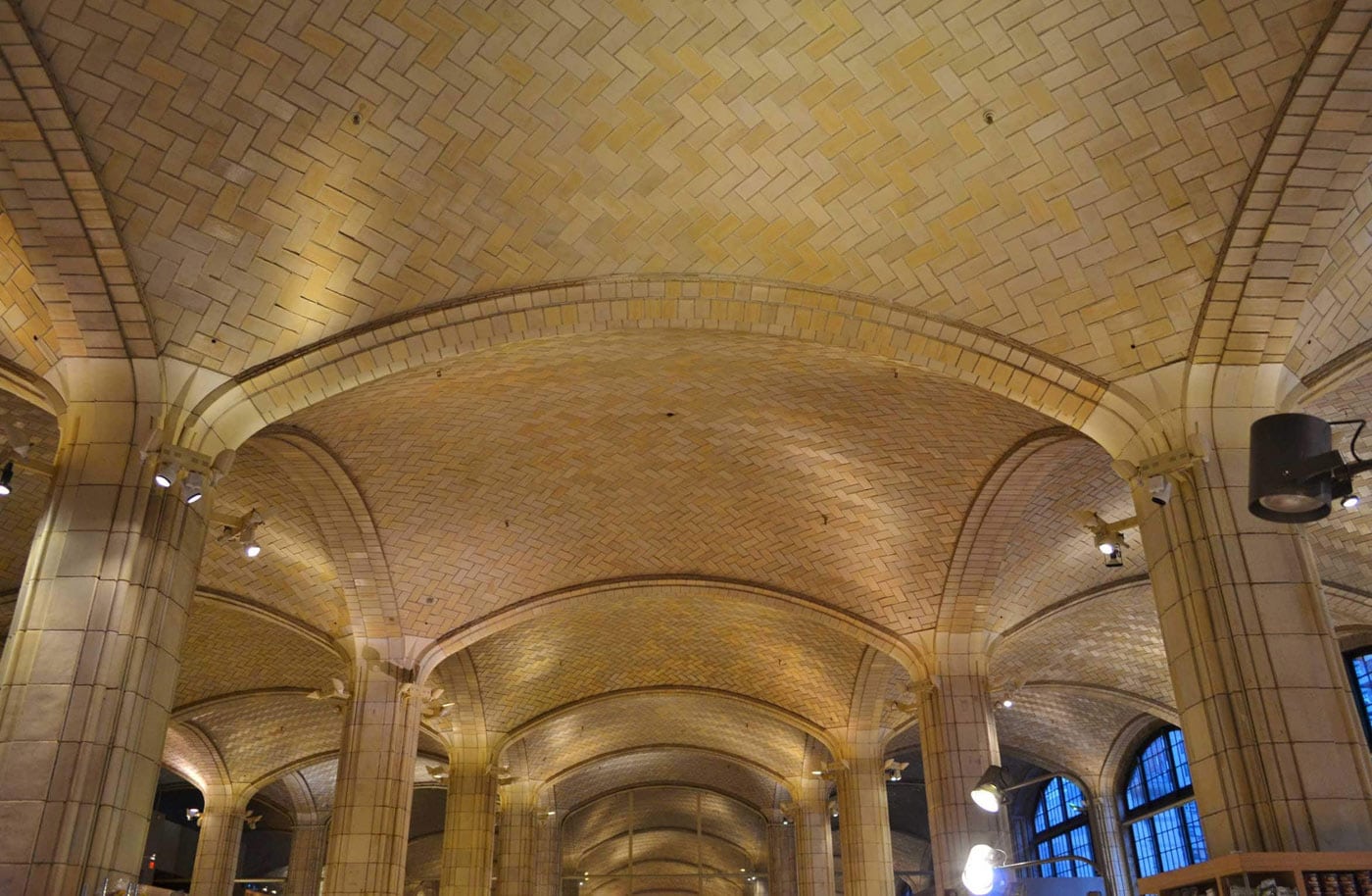
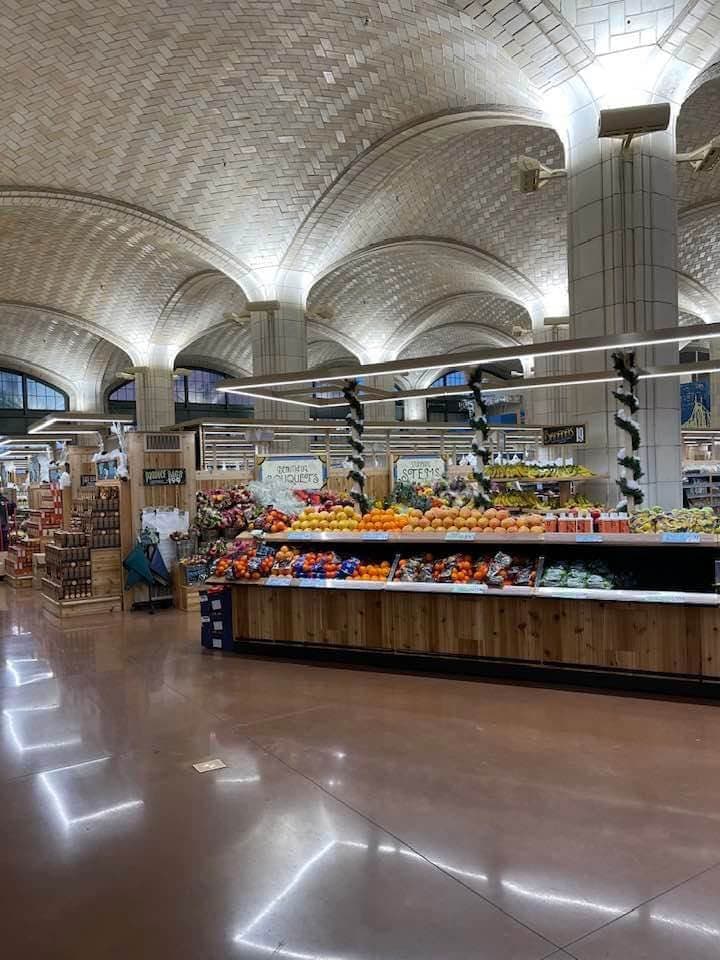
The real showstopper of the area known as Bridgemarket is the 5,000 square foot arcade with a tile vaulted ceiling designed by the Spanish building engineer, Rafael Guastavino. The distinctive tile arch system uses a series of self-supporting arches and architectural vaults with ceramic tiles placed in a herringbone pattern. The mere abundance of tile is breathtaking; the structural technique of support, easy-maintenance decoration, and fireproof properties, is masterful.
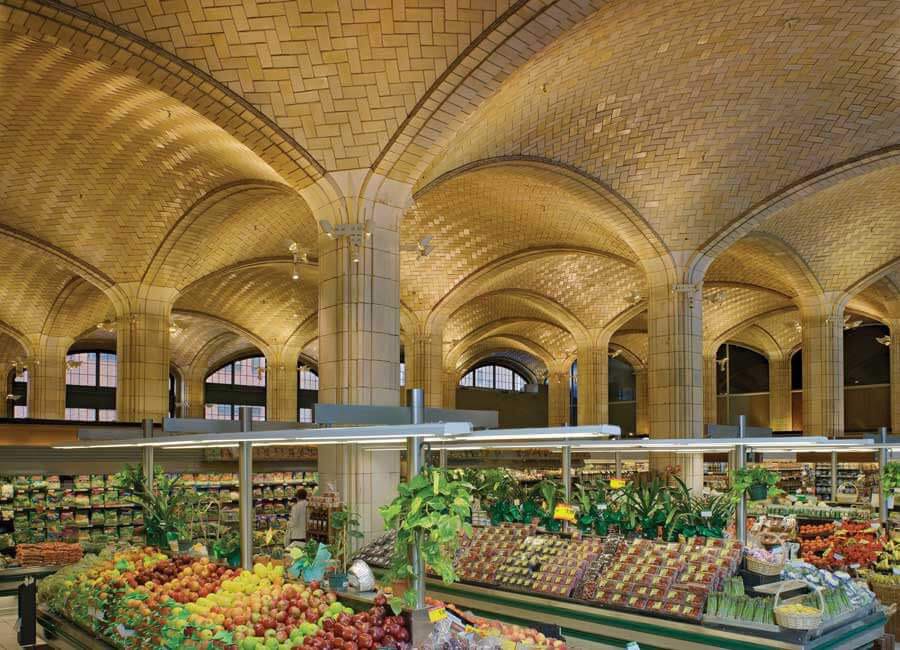
Source: Michael Freeman Photography
Guastavino, who moved to New York in 1861, brought his techniques from Barcelona and created the “Tile Arch System” in 1885. By the time he was called upon for the Bridgemarket project in 1909, Guastavino had already made a name for himself from his work on City Hall Subway Station, Grand Central Station, and Grant’s Tomb, all in New York City. Guastavino’s system went on to be a part of nearly a thousand well-known buildings around the world with dramatic architectural details. In the United States alone, Guastavino’s system contributed to more than 600 buildings in 36 states.
The New York City Landmarks Preservation Commission designated the Queensboro Bridge a New York City landmark in 1974 which includes Guastavino’s incredible craftsmanship below the bridge.
In 1977, the Department of Transportation worked to restore the tiles to ensure they would last for Bridgemarket’s long future ahead.
History
Guastavino, who moved to New York in 1861, brought his techniques from Barcelona and created the “Tile Arch System” in 1885. By the time he was called upon for the Bridgemarket project in 1909, Guastavino had already made a name for himself from his work on City Hall Subway Station, Grand Central Station, and Grant’s Tomb, all in New York City. Guastavino’s system went on to be a part of nearly a thousand well-known buildings around the world with dramatic architectural details. In the United States alone, Guastavino’s system contributed to more than 600 buildings in 36 states.
The New York City Landmarks Preservation Commission designated the Queensboro Bridge a New York City landmark in 1974 which includes Guastavino’s incredible craftsmanship below the bridge.
In 1977, the Department of Transportation worked to restore the tiles to ensure they would last for Bridgemarket’s long future ahead.
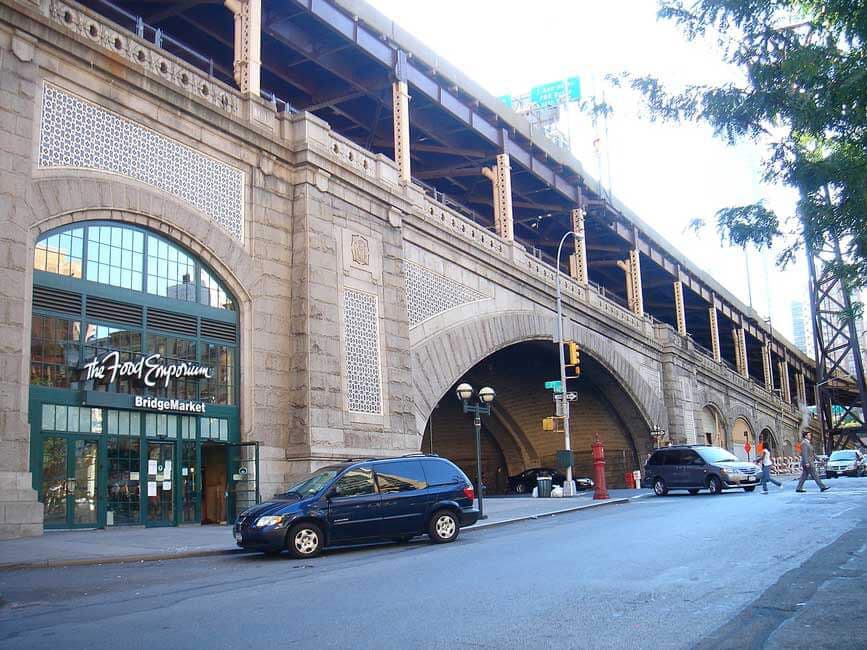
Source: Creative Commons / Kramchang
See for Yourself
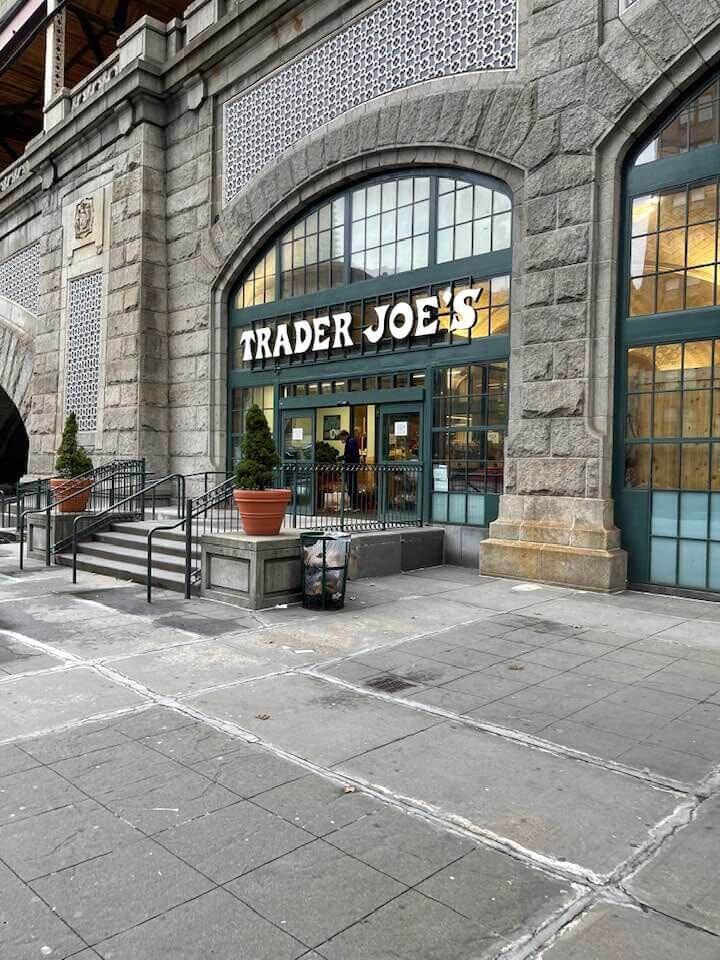
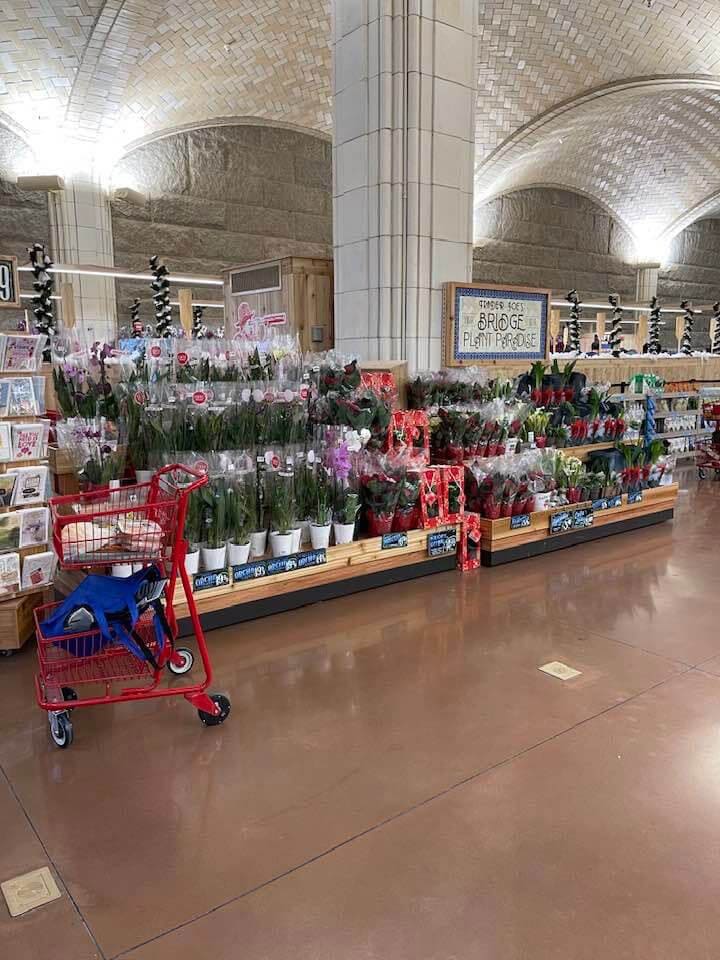
With the opening of Trader Joe’s in this historic space, you can now fortunately see Guastavino’s masterpiece anytime you grocery shop at 59th and 1st street, Manhattan.
Explore More Notable Installations
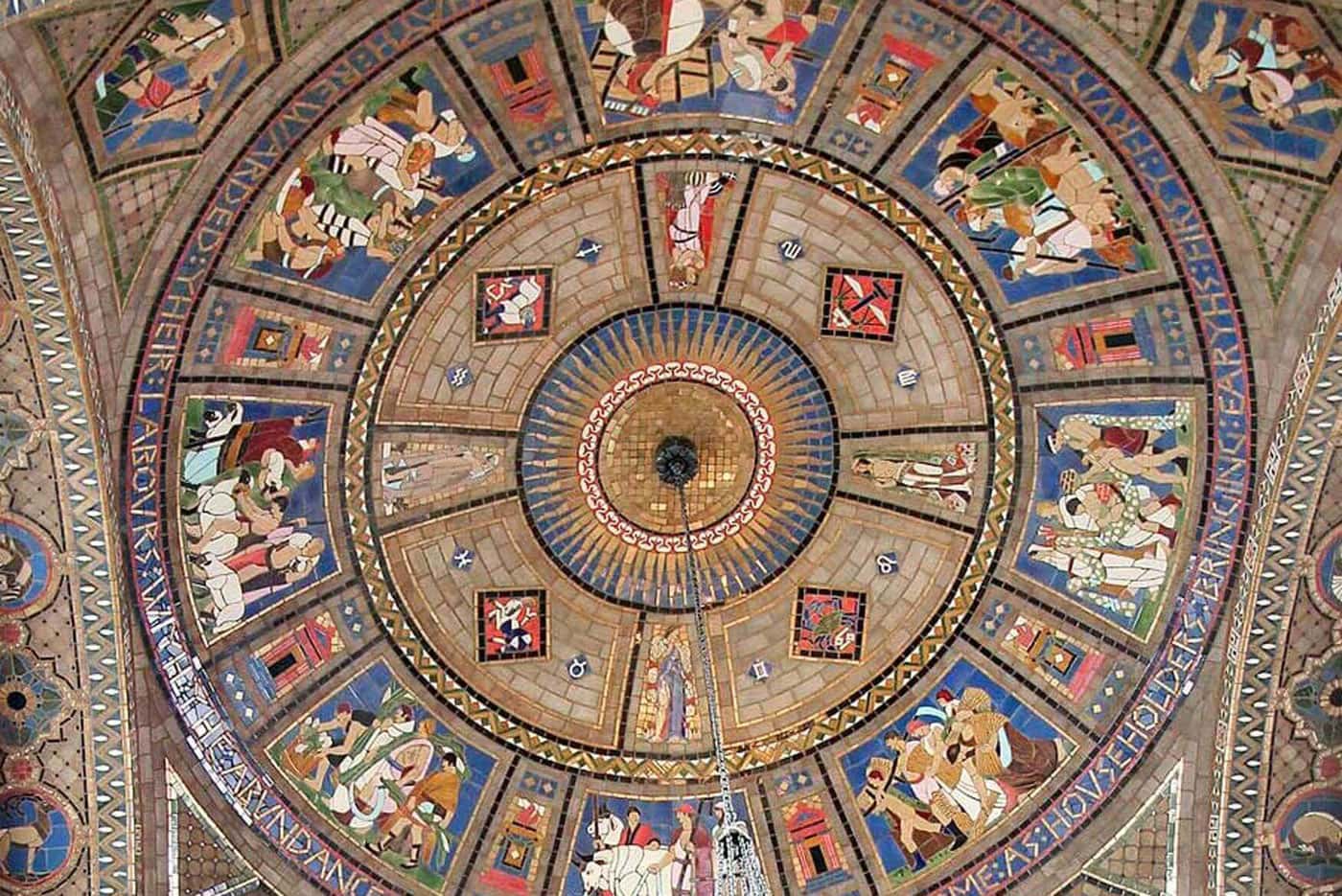
Nebraska State Capitol
The Nebraska State Capitol’s beauty begins on the exterior with the building’s gleaming gold tile tower dome that can be seen from miles around.

Union Terminal
When designers Paul Cret and Roland Wank developed the striking Art Deco design for the Cincinnati Union Terminal, they planned large interior spaces for displays of public art.
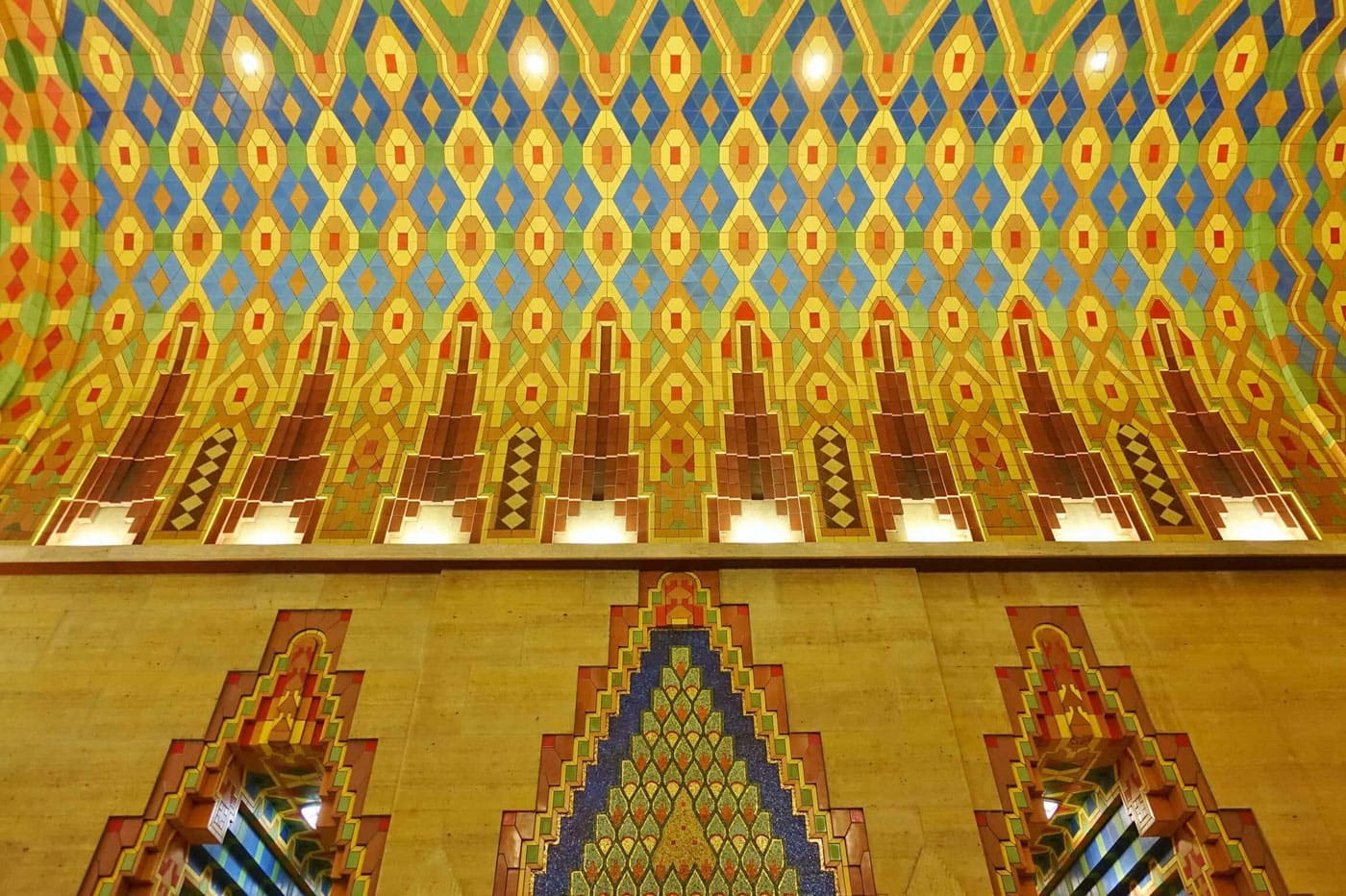
Guardian Building
A National Historic Landmark, the Guardian Building is known as a striking example of Art Deco architecture.
