
Tunnels
Ceramic tile’s strength, low maintenance, and visibility benefits make it an ideal material for tunnel and railway systems.
On this page:
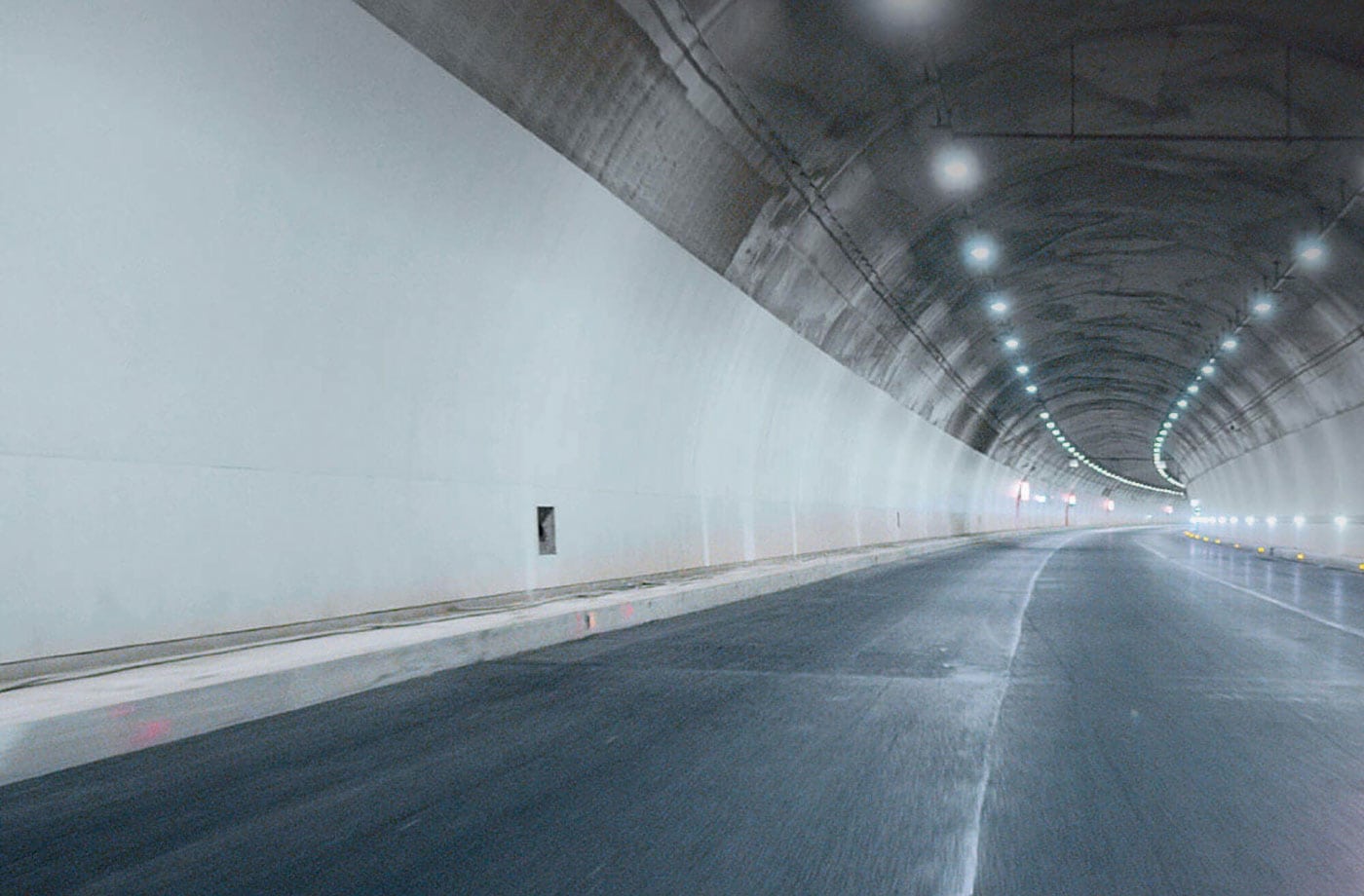
Tile Advantages for Tunnels

Low maintenance: crack-, chip-, stain-, and water-resistant

Fire-resistant and won't contribute to flame spread

Easy to clean

Reflective options that create better lighting conditions

Design options for branding and wayfinding signage
Design Ideas and Inspiration
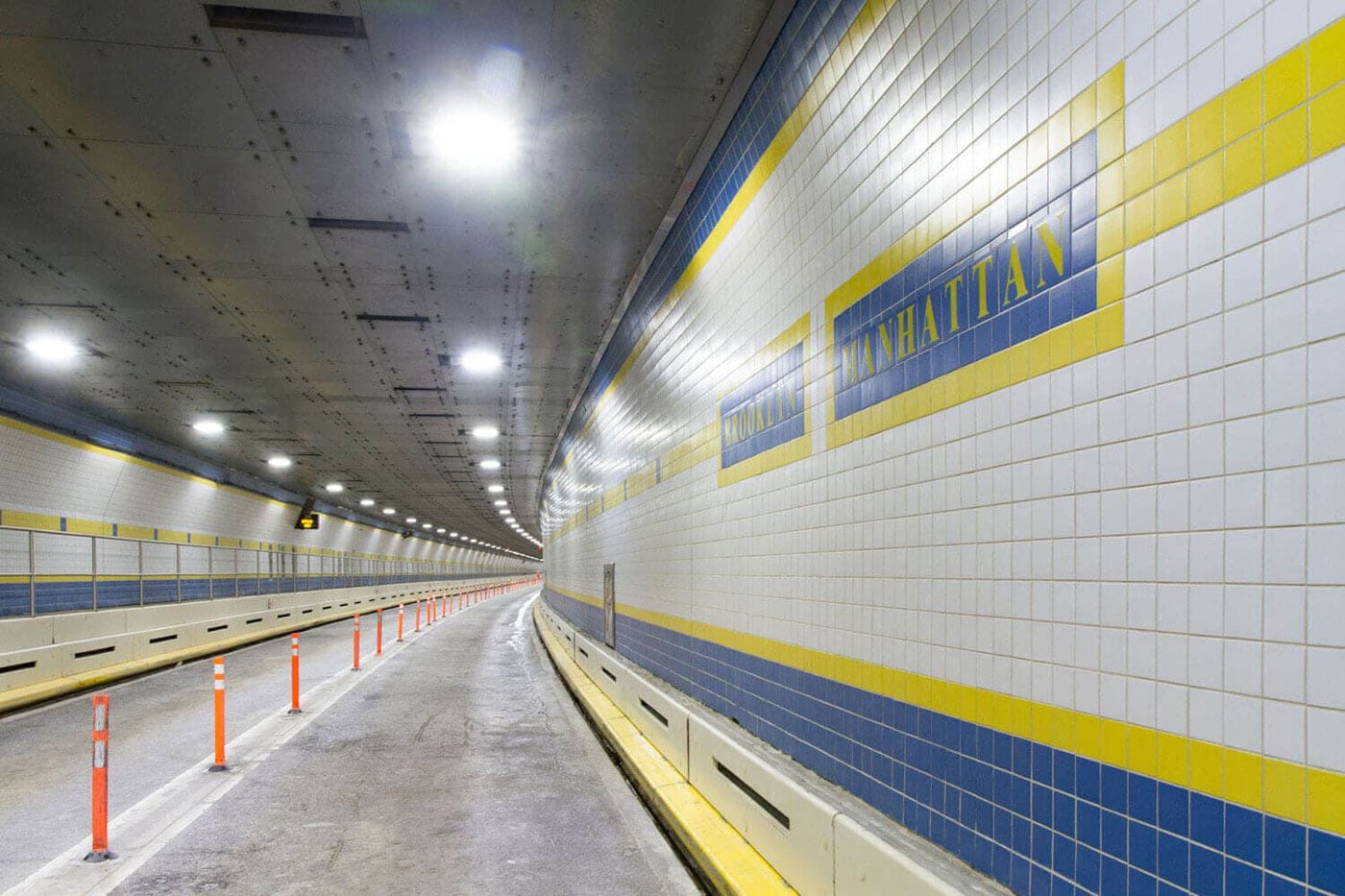
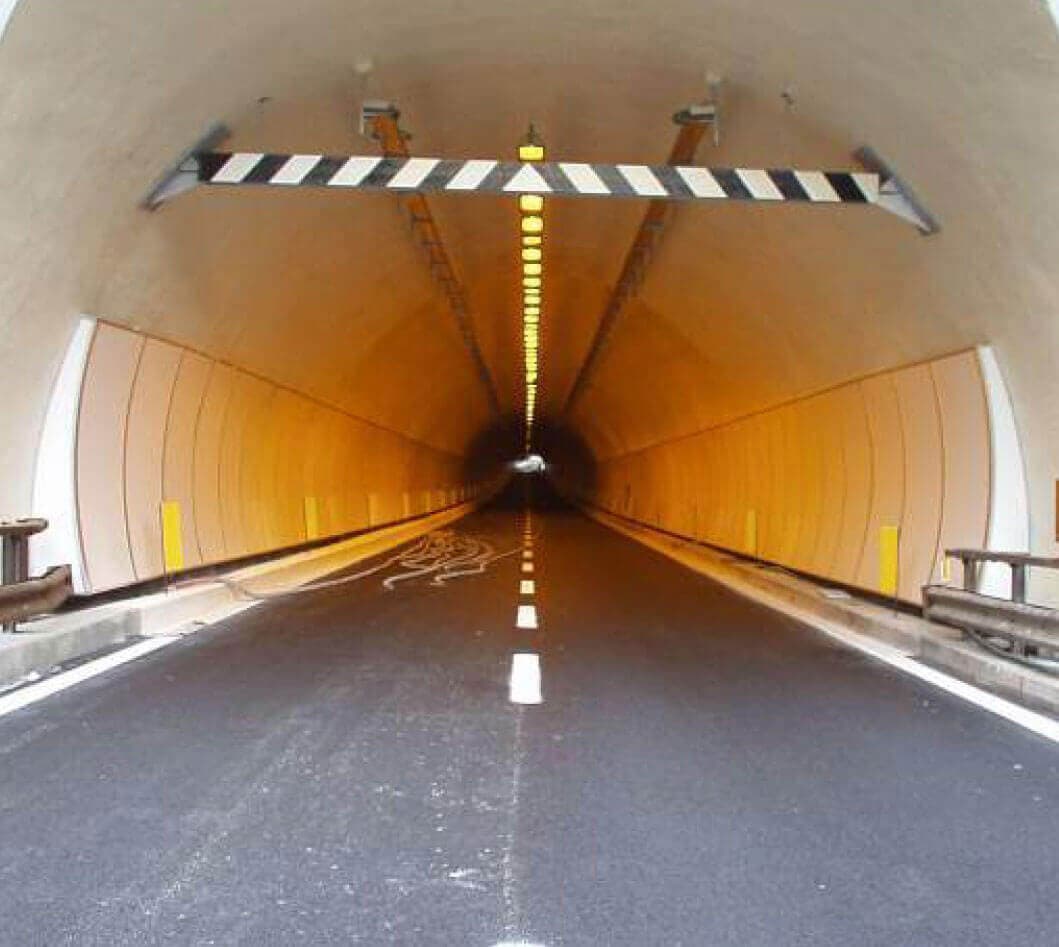
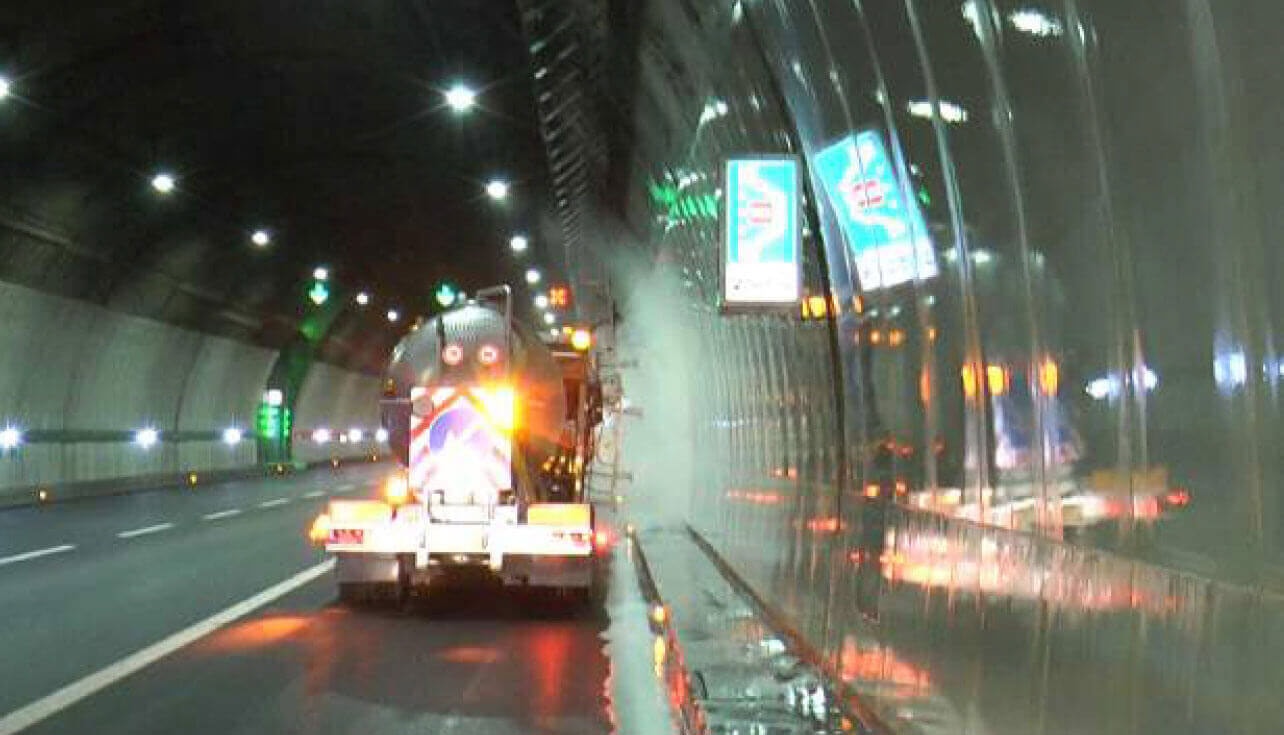

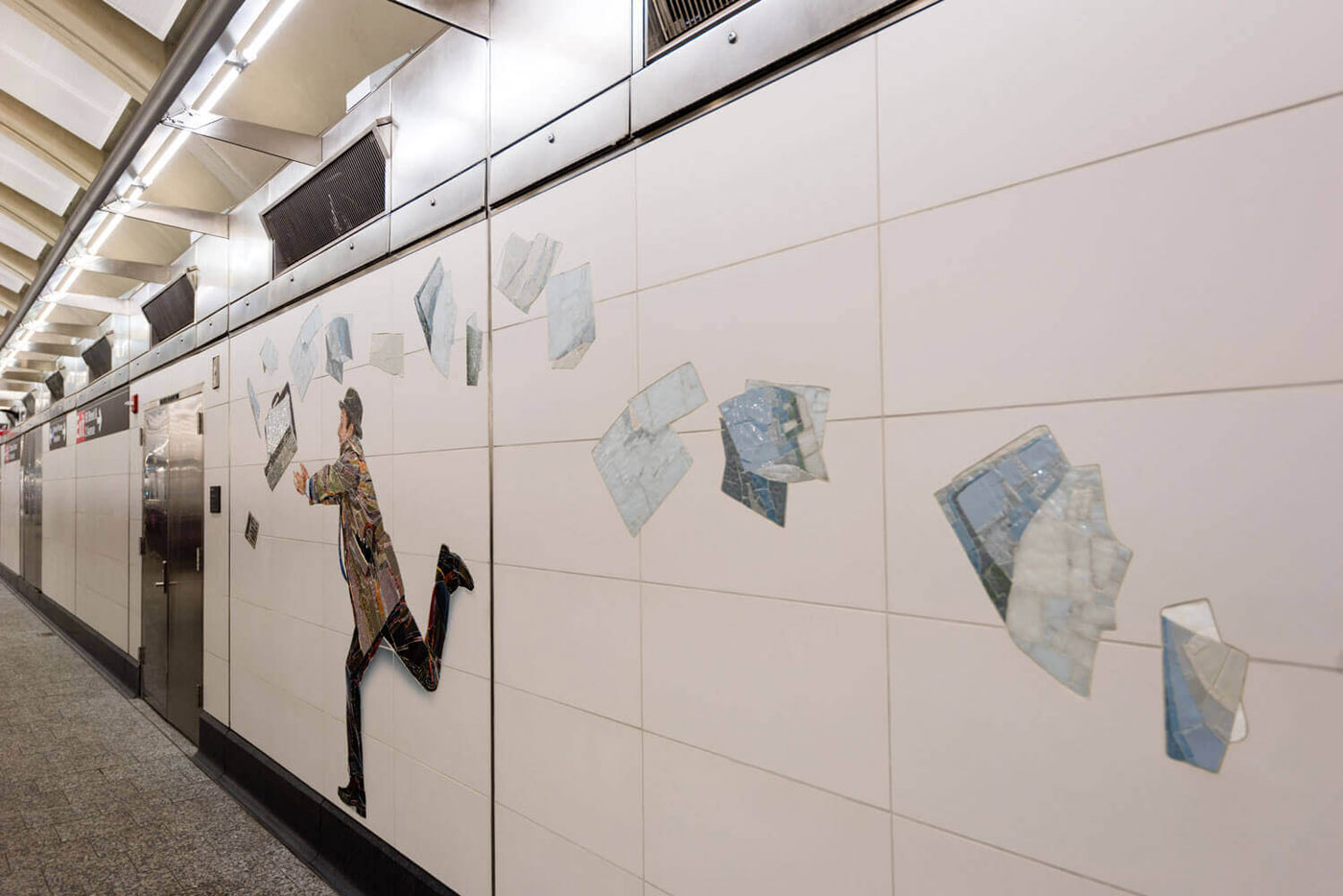
All aboard the tile train! Ceramic tile provides tunnels with unparalleled strength and durability.
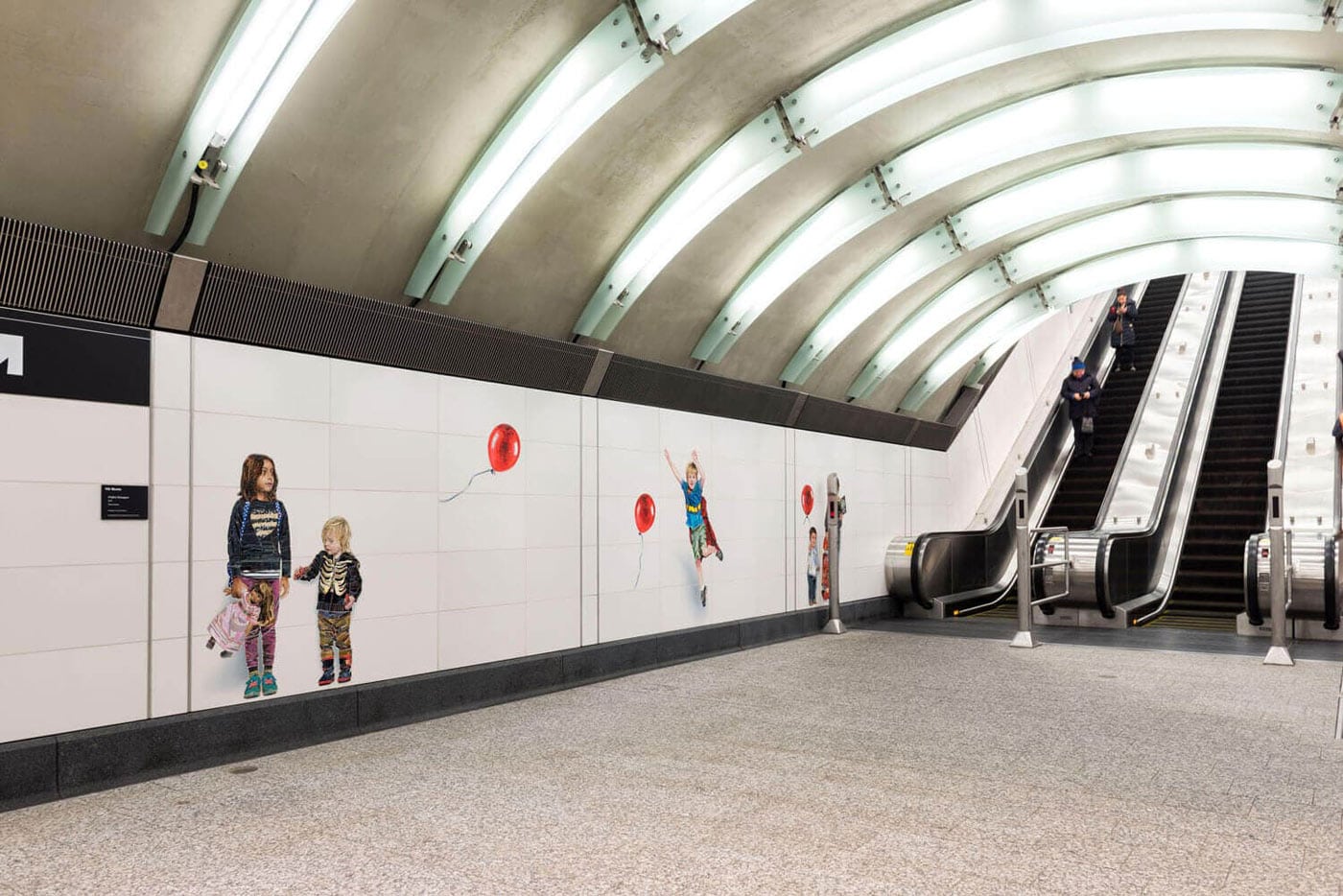
Tunnel walls for train lines and roadways must withstand decades of use, fuel exhaust, debris from passing cars and trains, inclement weather, and natural disasters. These high-traffic areas require unique engineering and construction considerations to maintain structural integrity and worry-free passage.
Ceramic tile is an advantageous material in road and railway tunnels to provide the tunnel walls with a durable surface layer that is easy to maintain and adds additional protective qualities. Tile is made to withstand anything thrown its way because it’s resistant to cracking, chipping, staining, and denting.
Tunnels collect exhaust, soot, and dirt, plus grime from weather and even graffiti, so a low-maintenance, easy-to-clean material is essential. Dirt and debris sit on top of nonporous ceramic tile instead of becoming trapped, as they can in porous materials like concrete. Without embedded grime, tunnel walls can be cleaned easily, typically with a brush or pressure washer.
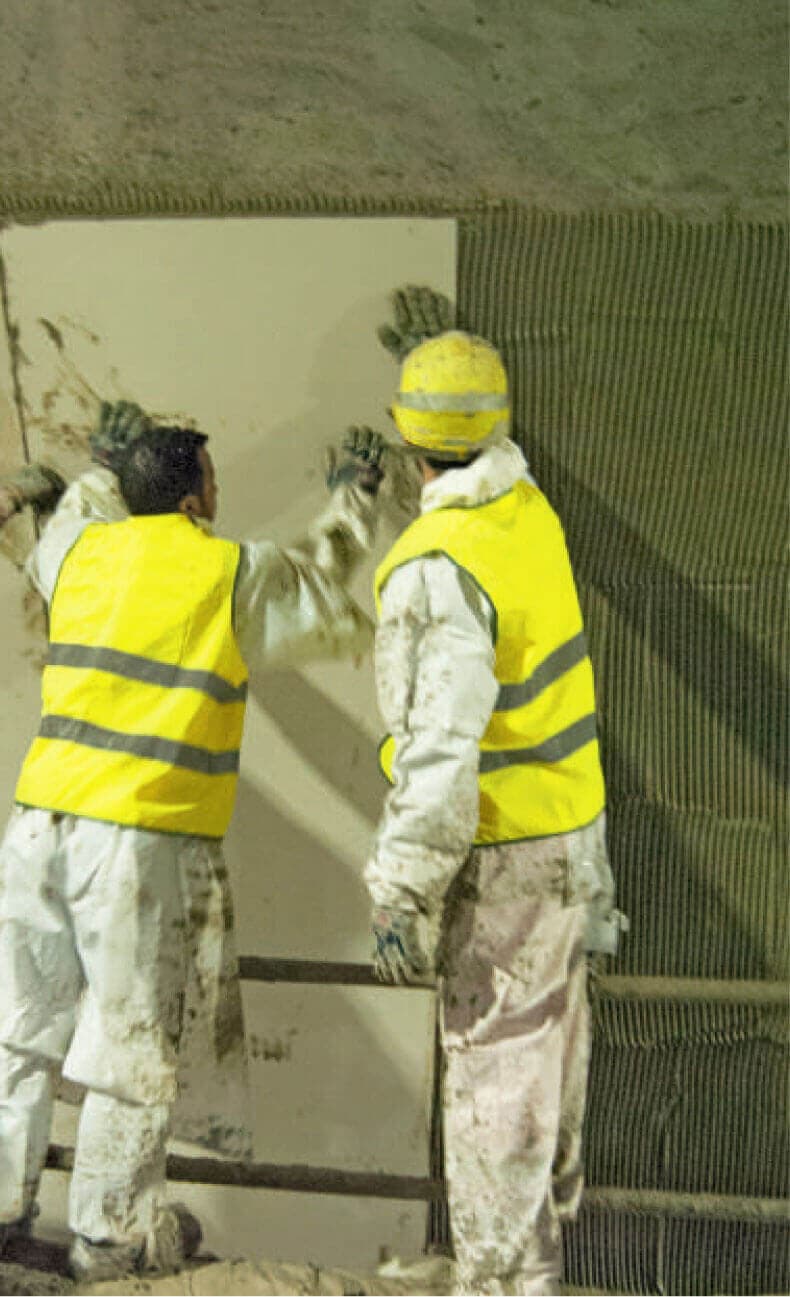
Various tile installation methods are available for tunnels. While tunnels are often designed using small tiles installed to match the tunnel’s arch, gauged porcelain tile panels/slabs can adapt to the curvature of the tunnel wall.
Tunnels may be surrounded by seawater, constructed underground, or subject to harsh weather conditions. This exposure to moisture can make porous materials vulnerable to damage. Moisture can seep into a tunnel’s outside walls, causing damage and leaking inside.
Ceramic tile on a tunnel’s interior surface can be part of a waterproof installation system to help keep water from making its way through the walls and inside the tunnel. Ceramic tile is also flame resistant, so if a fire or emergency produces heat, ceramic tile won’t burn, contribute to flame spread, or emit toxic fumes.
Driver visibility within roadway tunnels is an added concern. There are many color options and surface finishes for ceramic tile that create a highly reflective surface. This surface allows vehicle or train lights to reflect off the tunnel tile and illuminate the inside, which enhances lighting systems and improves visibility.
Ceramic tile can transform the aesthetics of a tunnel to create artwork, designs, and branding without the need for additional materials or installations. Tunnels often require wayfinding signage that points to entrances and exits, emergency or escape routes, and location identification, which helps facilitate a safer environment.
Simple or complex, designs for tunnels can be executed in ceramic tile that contribute to cleaner, more durable, and more efficient transportation systems.
Related Case Studies
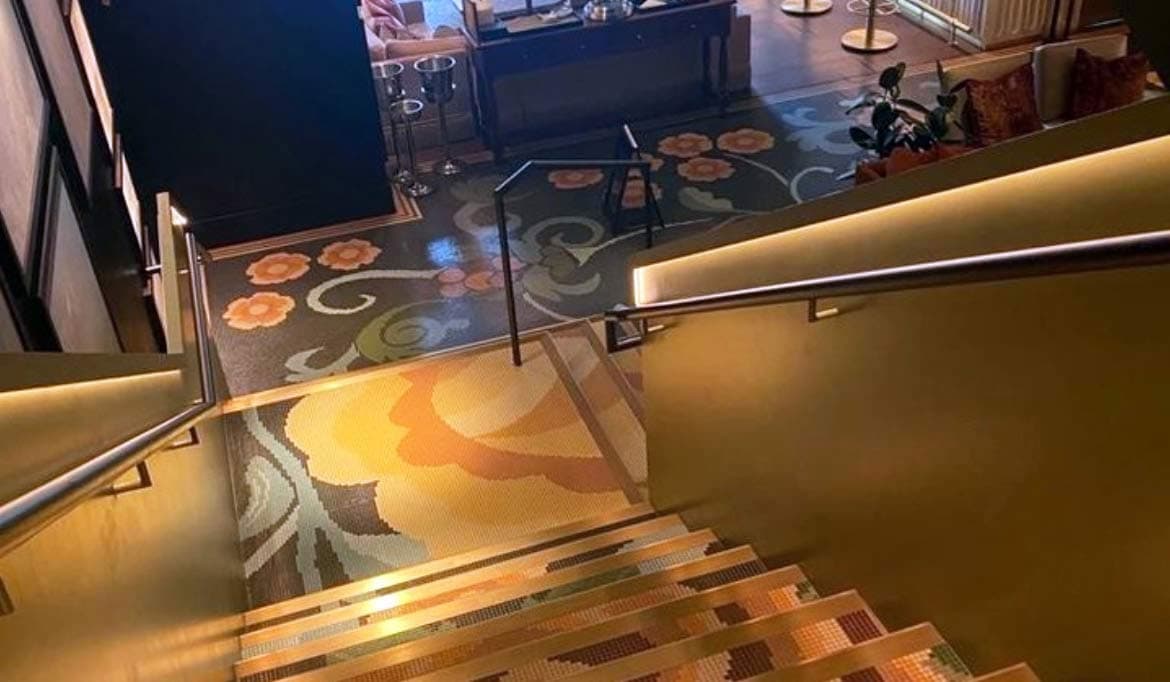
Ritz-Carlton NoMad
A hospitality experience that merges urban sophistication and creativity with refined comfort.
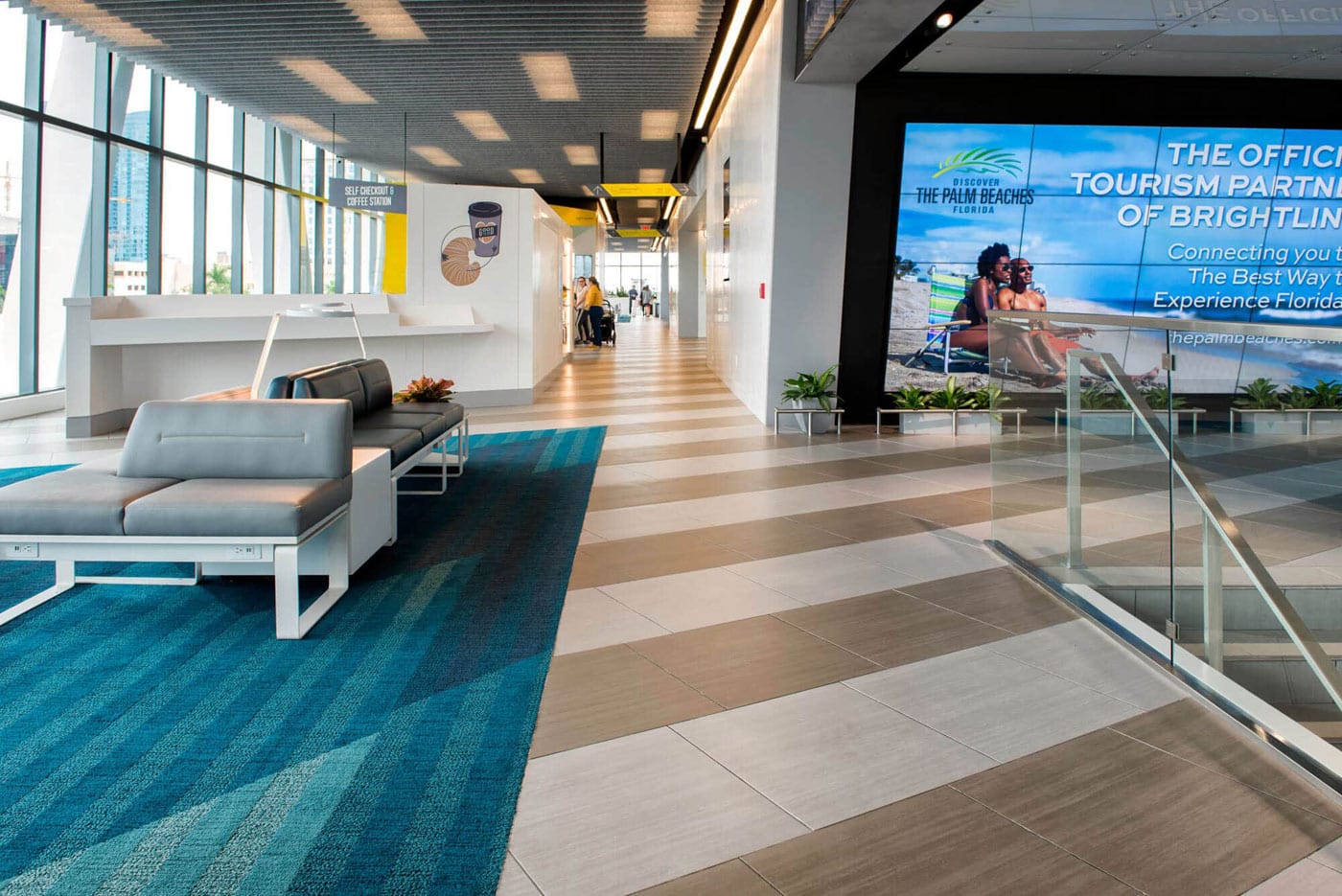
Brightline Rail Terminal
Creating a beautiful space to accommodate commuters and travelers for a 235-mile network of rail lines for Brightline’s busy rail stations in Florida.
Lexington Office Park
Modernizing an office park outside Boston, creating a fresh look with porcelain tile panels while avoiding the need to demolish previous surfaces.
