
Roofing
Beautiful curb appeal, extended life cycle, and sustainability make ceramic tile an ideal roofing material.
On this page:
Tile Advantages for Roofing

Fire resistant and will not feed flame spread

Resistant to warping, lifting, rotting, fading, or cracking, keeping maintenance costs low

Durable against outdoor elements, such as rain, high winds, snow, hail, salt, and freeze/thaw conditions

Reduces peak cooling and heating for energy efficiency in any climate

Unique designs that increase property appeal
Design Ideas and Inspiration
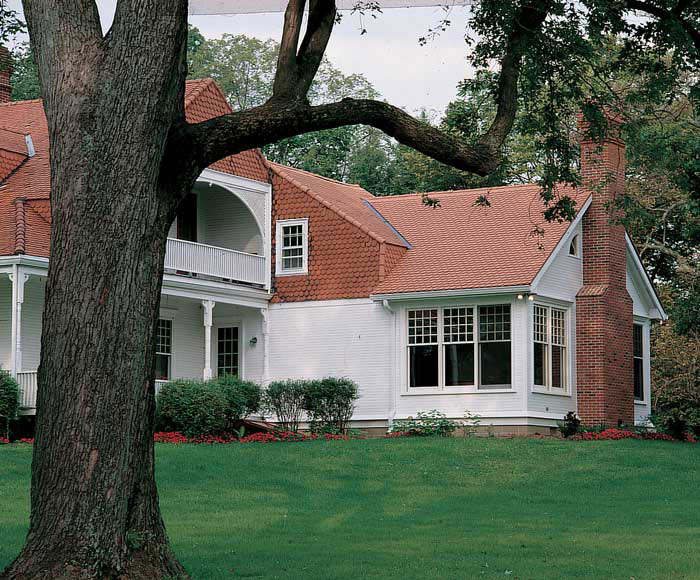
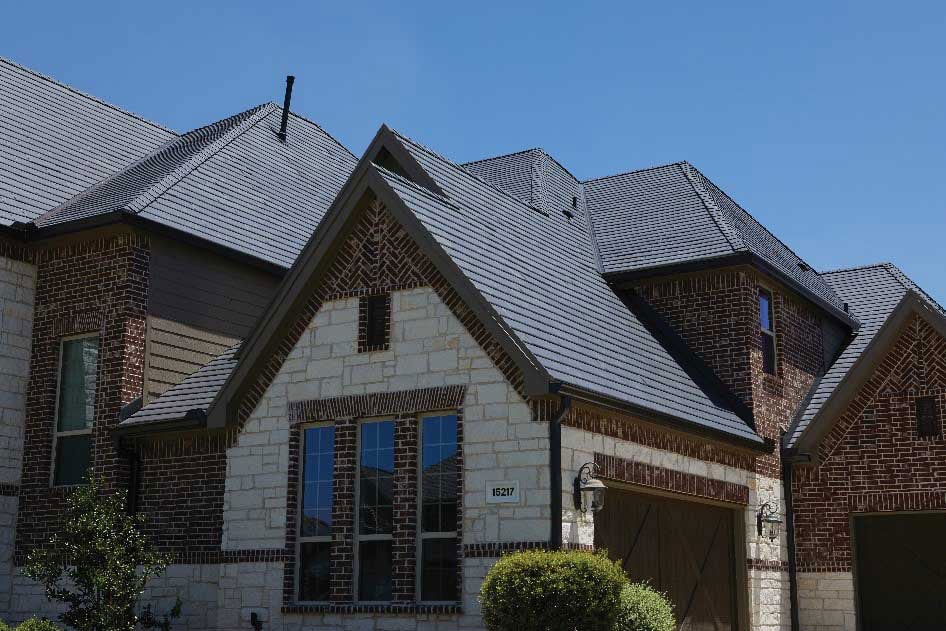
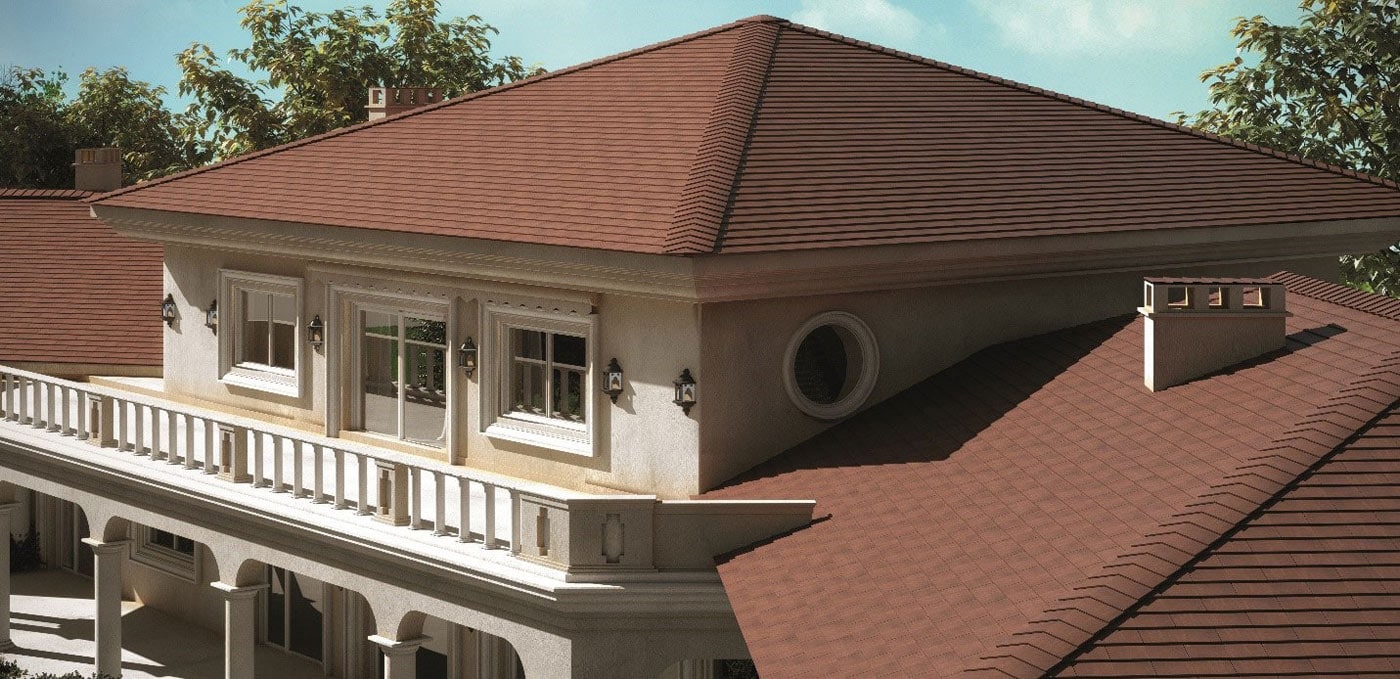
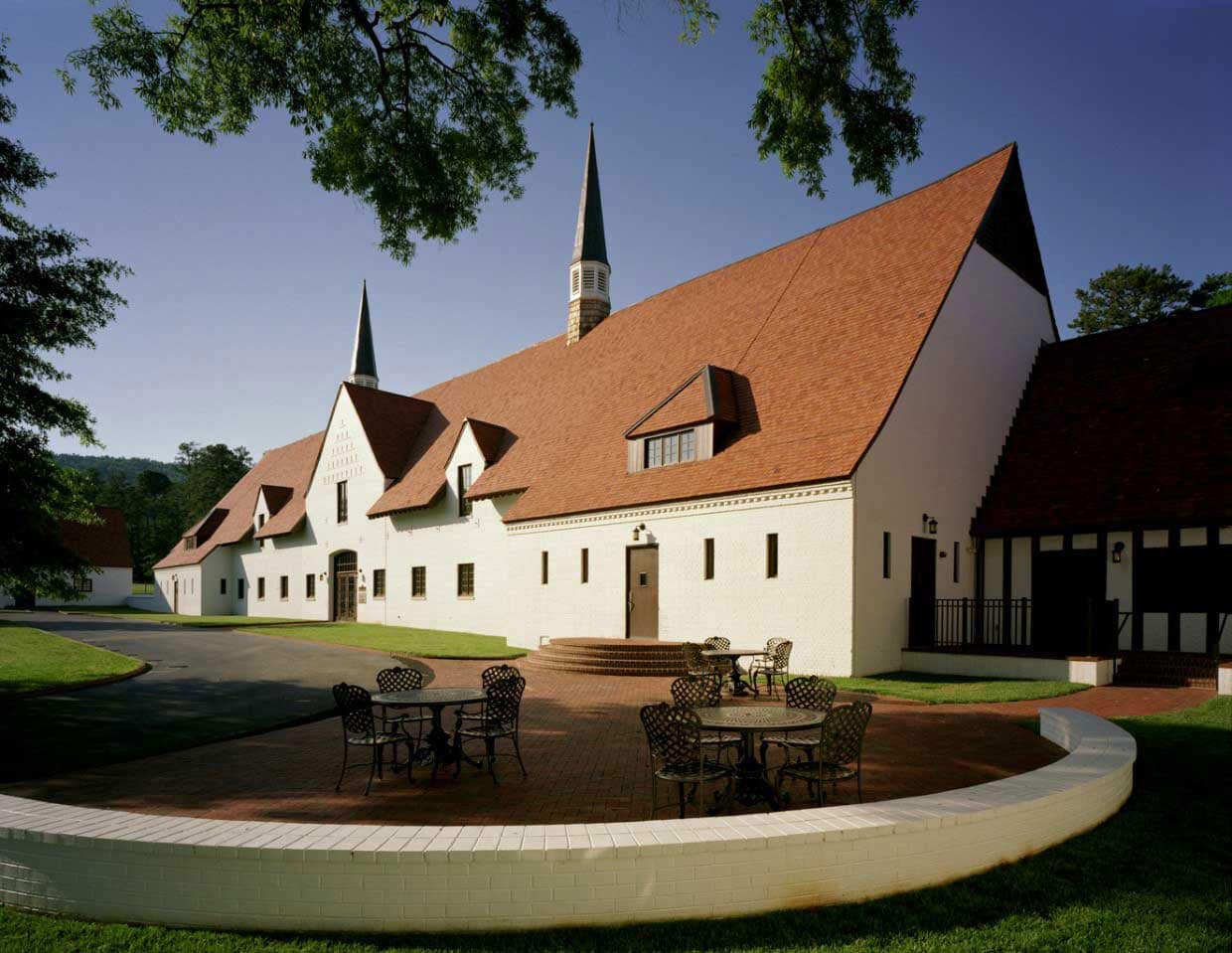
Ceramic roof tile provides unequaled versatility, design, and strength, with an extended life cycle.
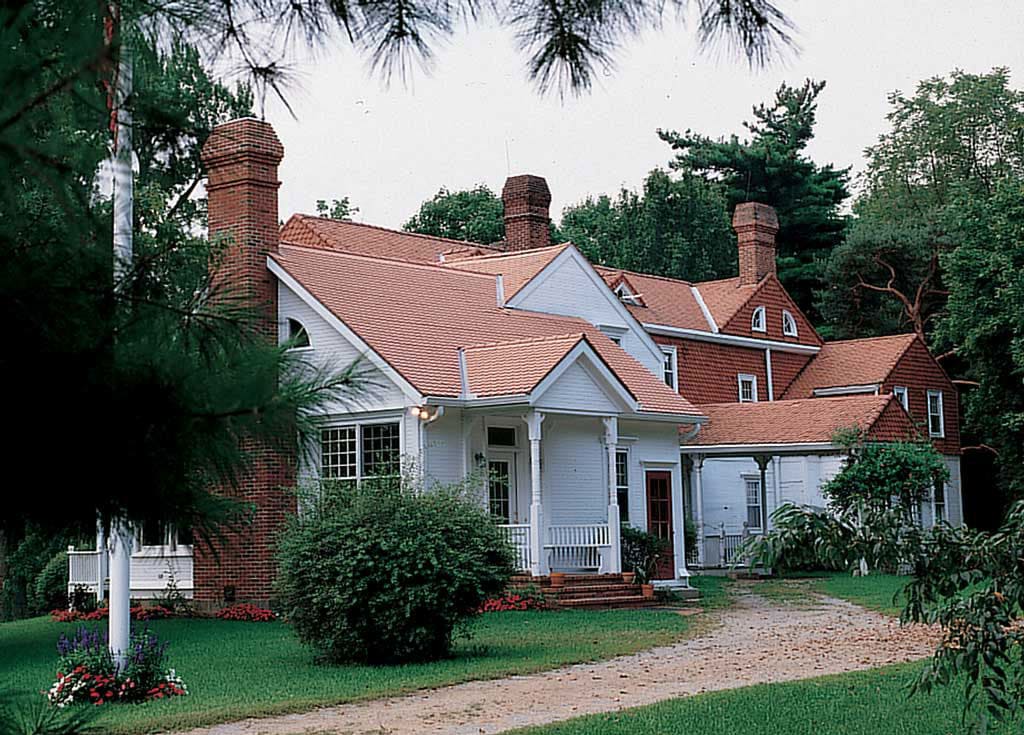
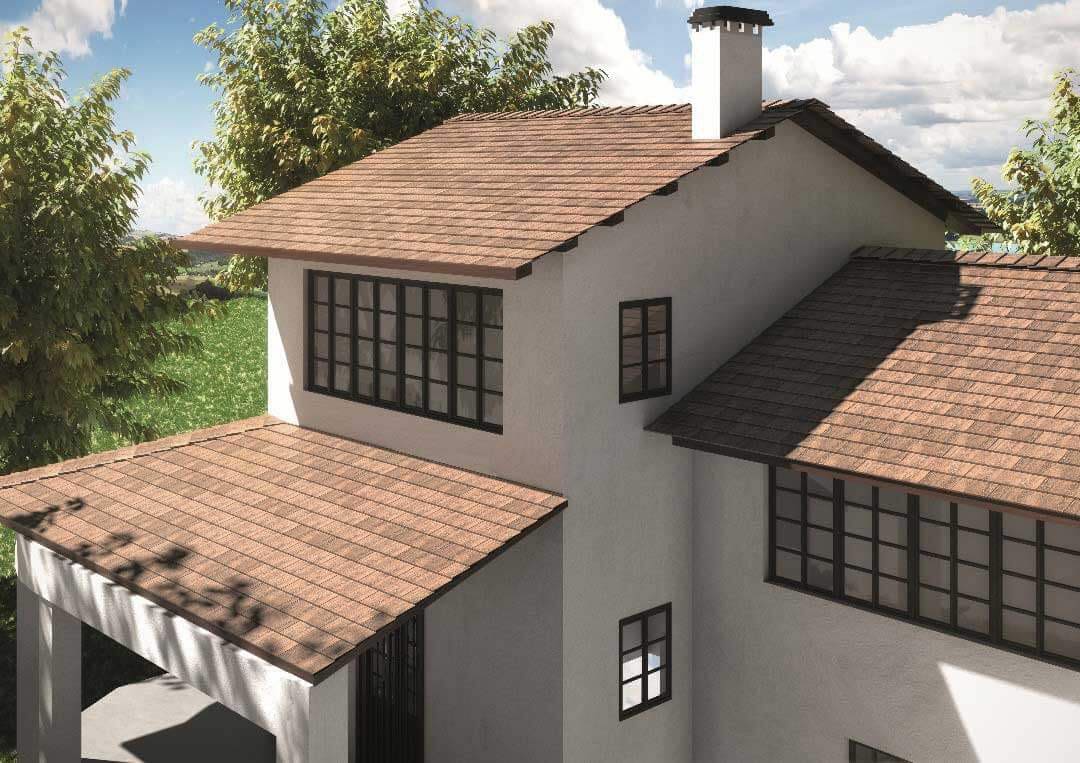
Ceramic roofing tiles allow distinctive designs with multiple shape and color variations. Choose between curved tiles, rounded tiles, or even traditional square tiles.
Add your own unique touch by installing a multicolored roof, or go sleek and smooth with a single color and shape. No matter what combination or design you choose, your roof will look beautiful for generations thanks to ceramic tile’s time-tested durability.
Ceramic roofing tile protects your home or business with a unique selection of colors and styles that are fade and stain resistant. Whether your roof endures the coldest winter or the hottest summer, ceramic tile roofing withstands extreme weather. That includes wind, rain, snow, hail, and freeze-thaw cycles, as well as other harsh outdoor conditions, such as the salty air of coastal regions.
Because of this durability, installing a ceramic tile roof can increase your home’s resale value because tile’s long life span saves a future homeowner from the added maintenance often required of asphalt or wood shake roofing materials.
Family safety is crucial, and investing in a tile roof can help ease your mind. Tile is nonflammable; it does not burn, feed flame spread, or produce smoke, unlike asphalt or wood shake shingles.
Additionally, ceramic tile is free of volatile organic compounds (VOCs) and won’t burn off any toxic fumes if a fire occurs. Created to endure winds up to 150 mph, ceramic tile is also a wise choice for areas subject to high winds and heavy storms.
A ceramic tile roof also contributes to your indoor lifestyle. Ceramic tile’s inherent thermal mass regulates heating and cooling peaks, which can help keep buildings warmer in the winter and cooler in the summer. This also means less work for your HVAC system and a less expensive energy bill for you.
Because ceramic tile is made from naturally occurring materials, when it is disposed of after a long life cycle, it typically qualifies as clean fill. Unlike asphalt shingles, disposing of ceramic tiles does not contribute to the growing landfill issue.
Millions of tons of asphalt shingles are dumped into landfills each year, and they can take hundred of years to decay. Some cities have even banned the disposal of asphalt shingles in landfills.
Are you planning to build green? Incorporating a tile roof for a commercial structure may add credits to your green building certifications, such as LEED and Energy Star.
Related Case Studies
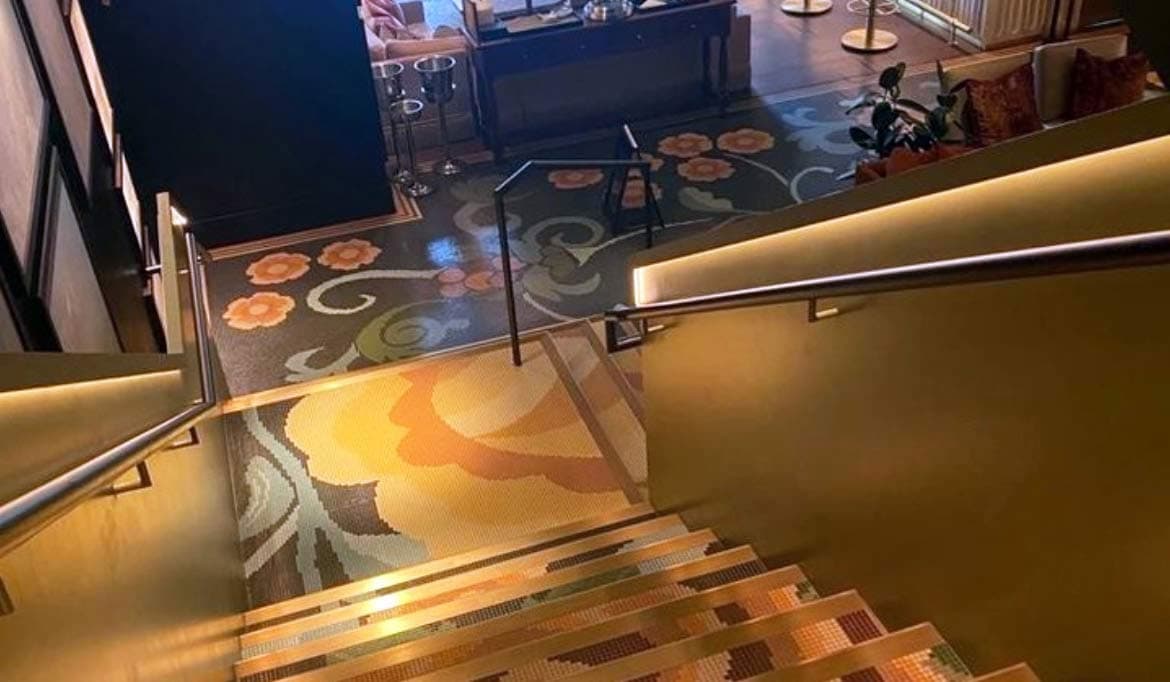
Ritz-Carlton NoMad
A hospitality experience that merges urban sophistication and creativity with refined comfort.
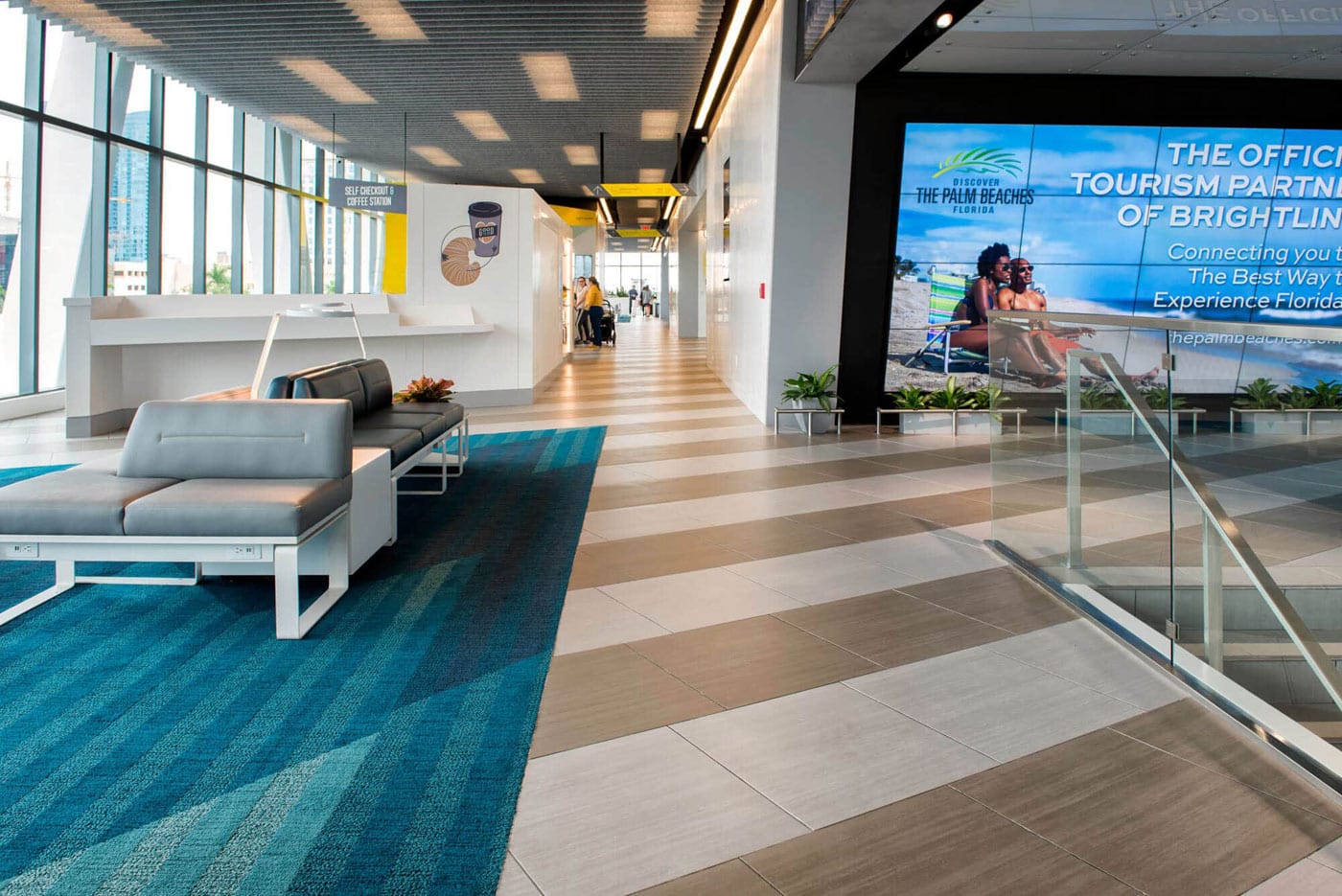
Brightline Rail Terminal
Creating a beautiful space to accommodate commuters and travelers for a 235-mile network of rail lines for Brightline’s busy rail stations in Florida.
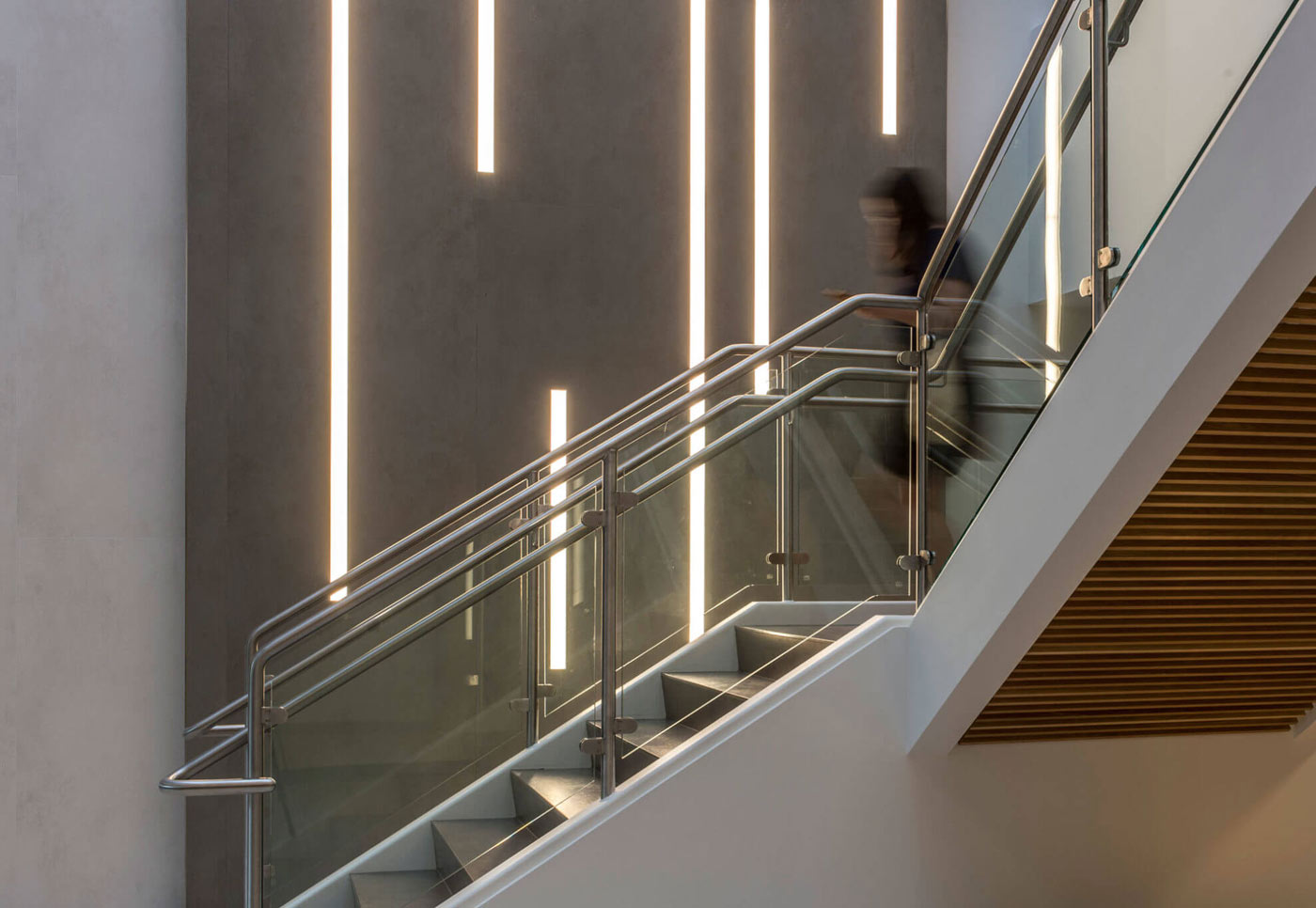
Lexington Office Park
Modernizing an office park outside Boston, creating a fresh look with porcelain tile panels while avoiding the need to demolish previous surfaces.
