
Facades
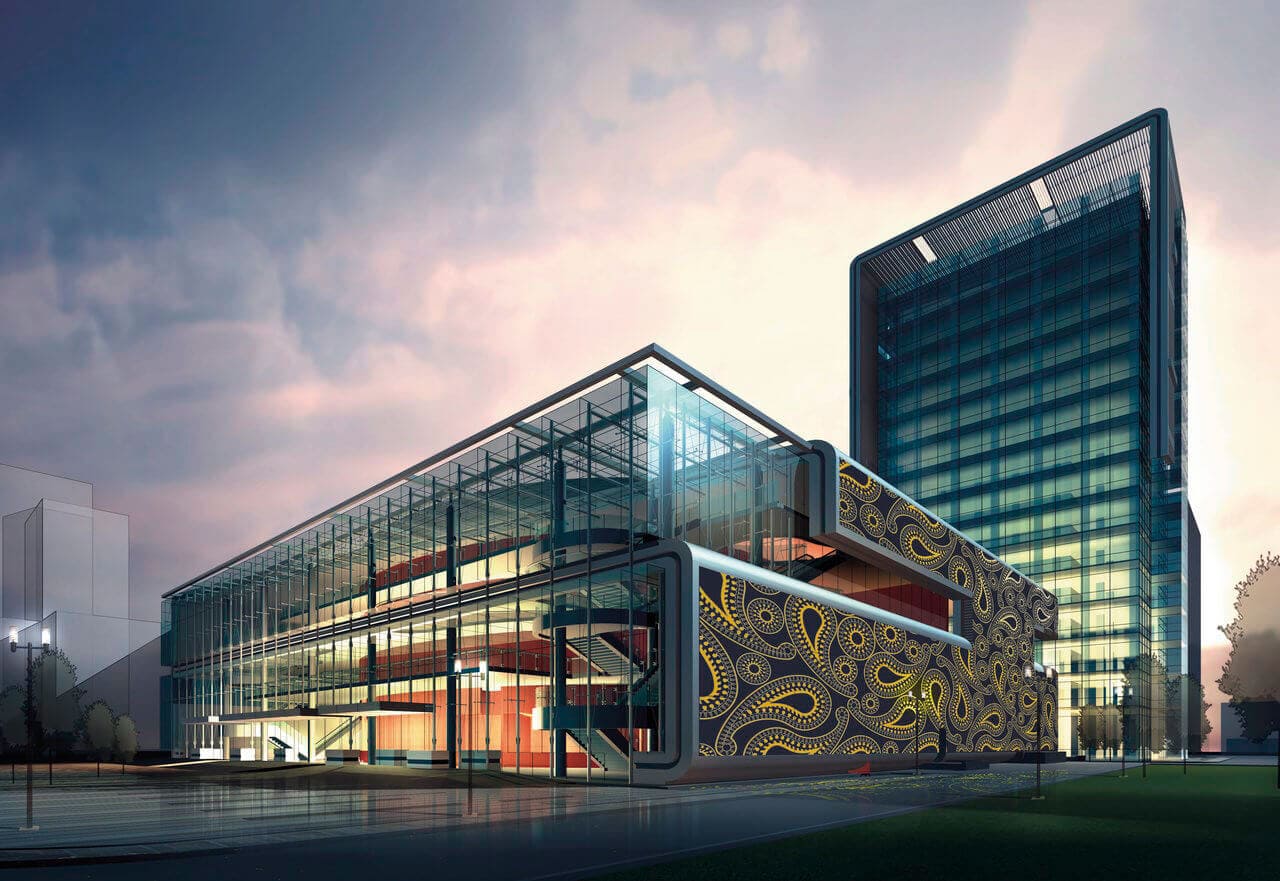
Ceramic tile facades create a visual impact with sustainability and performance.
On this page:
Tile Advantages for Facade Use

Thermal and acoustic insulation

Contribution to green building certification credit

Protection from daily weather and adverse environmental conditions

Adaptable installation for original or refurbished construction

Unique style options for statement architecture and branding
Design Ideas and Inspiration
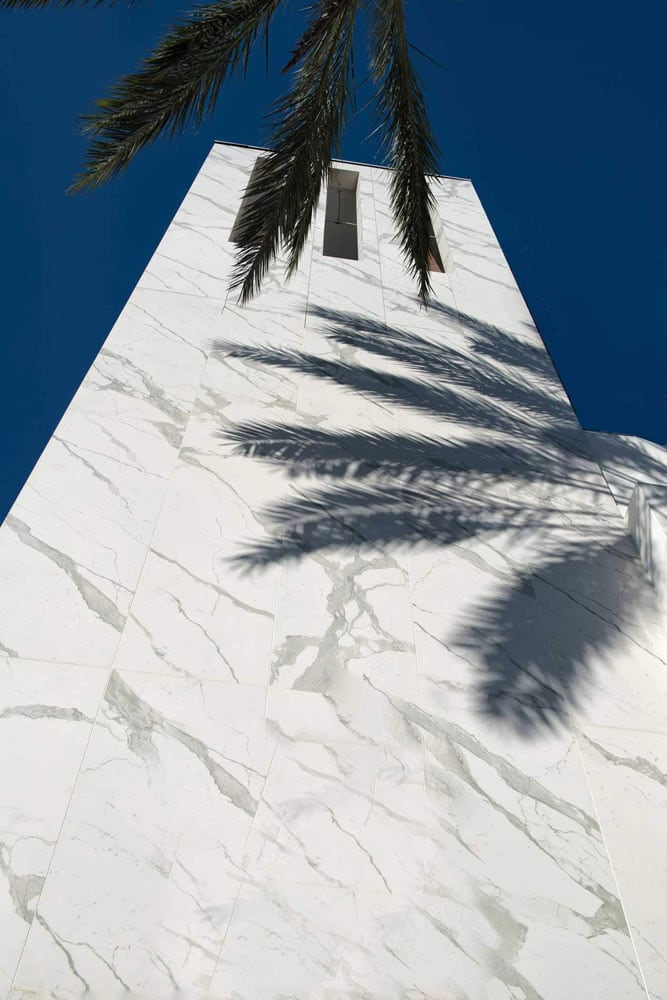

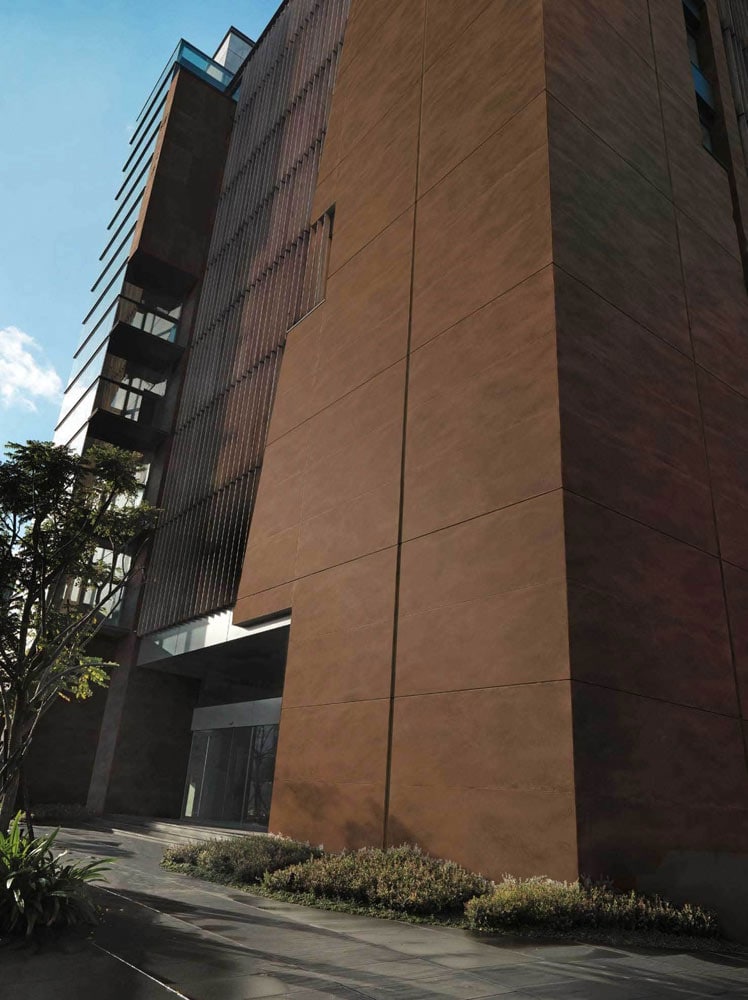
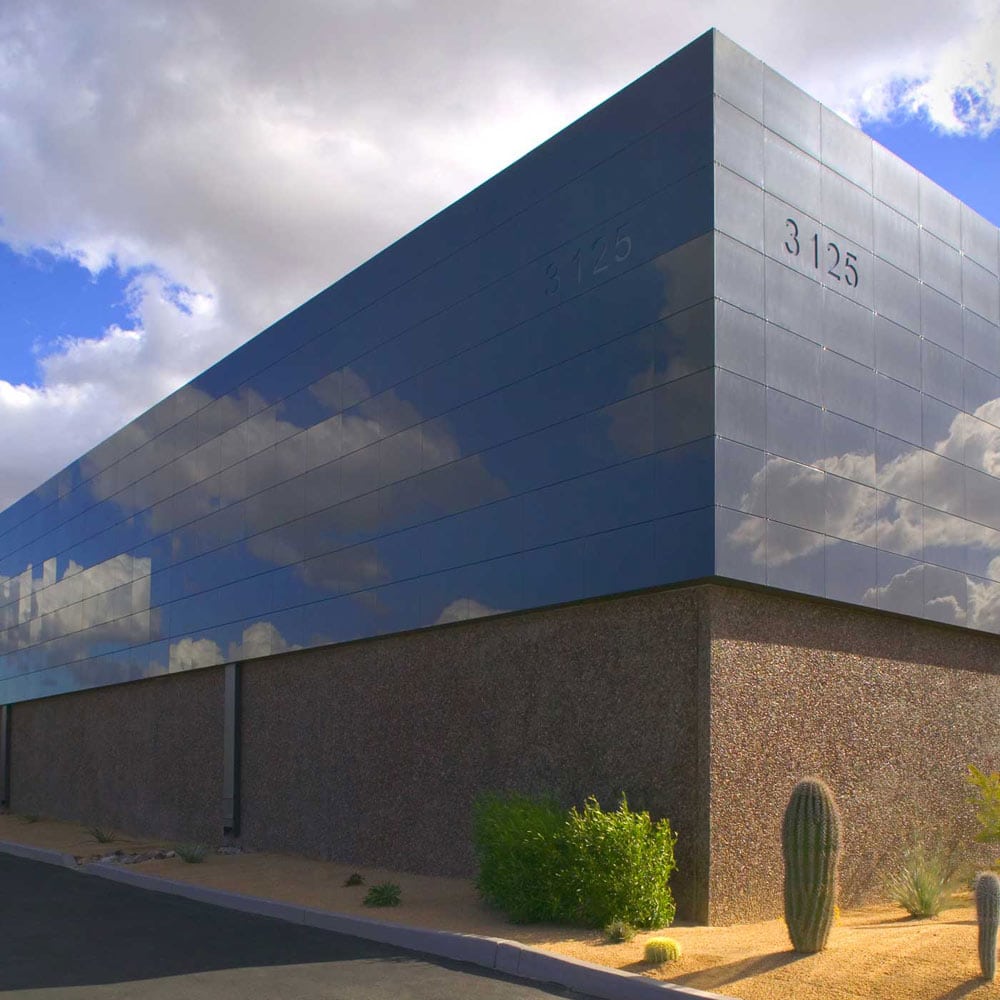
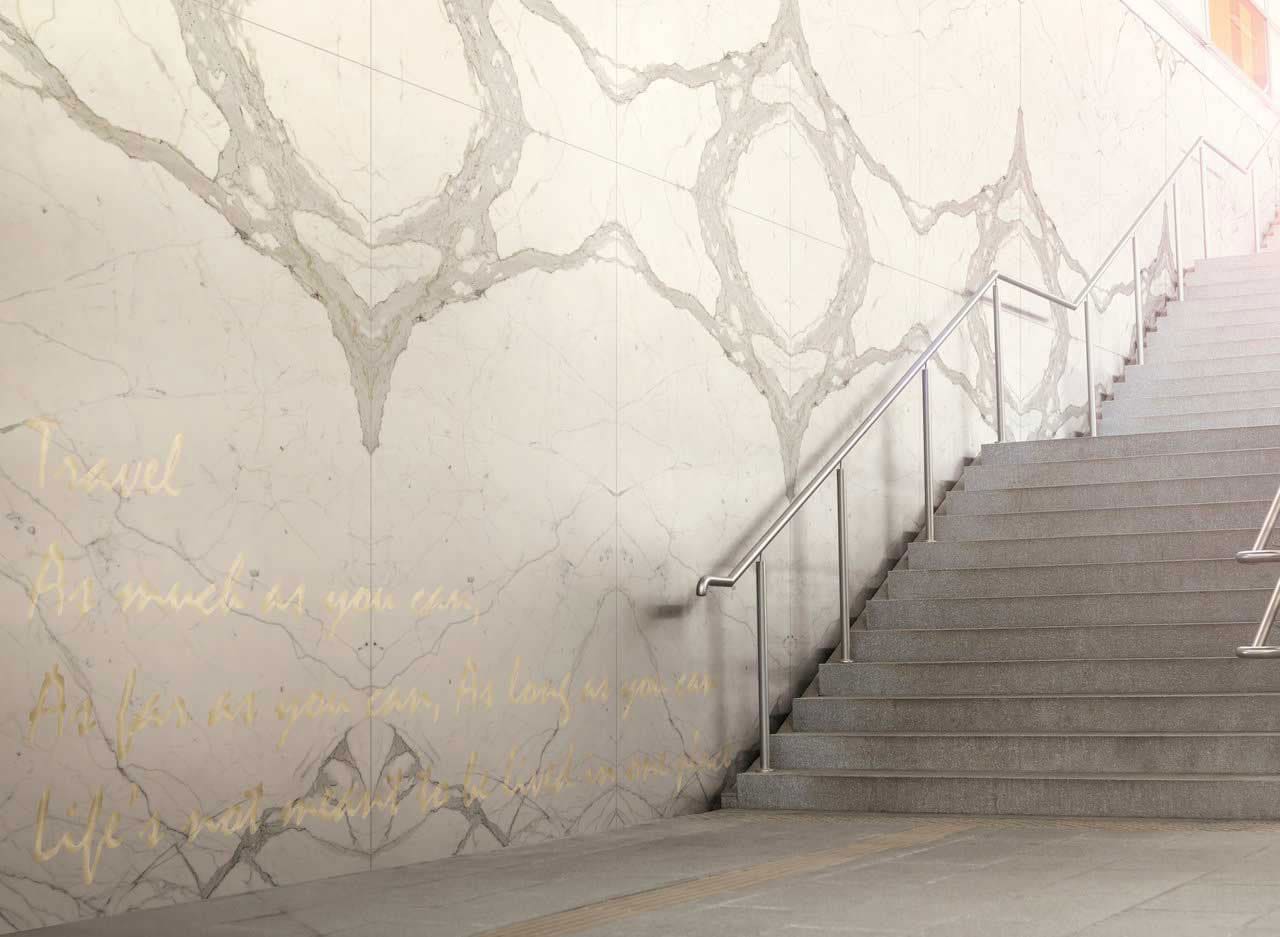
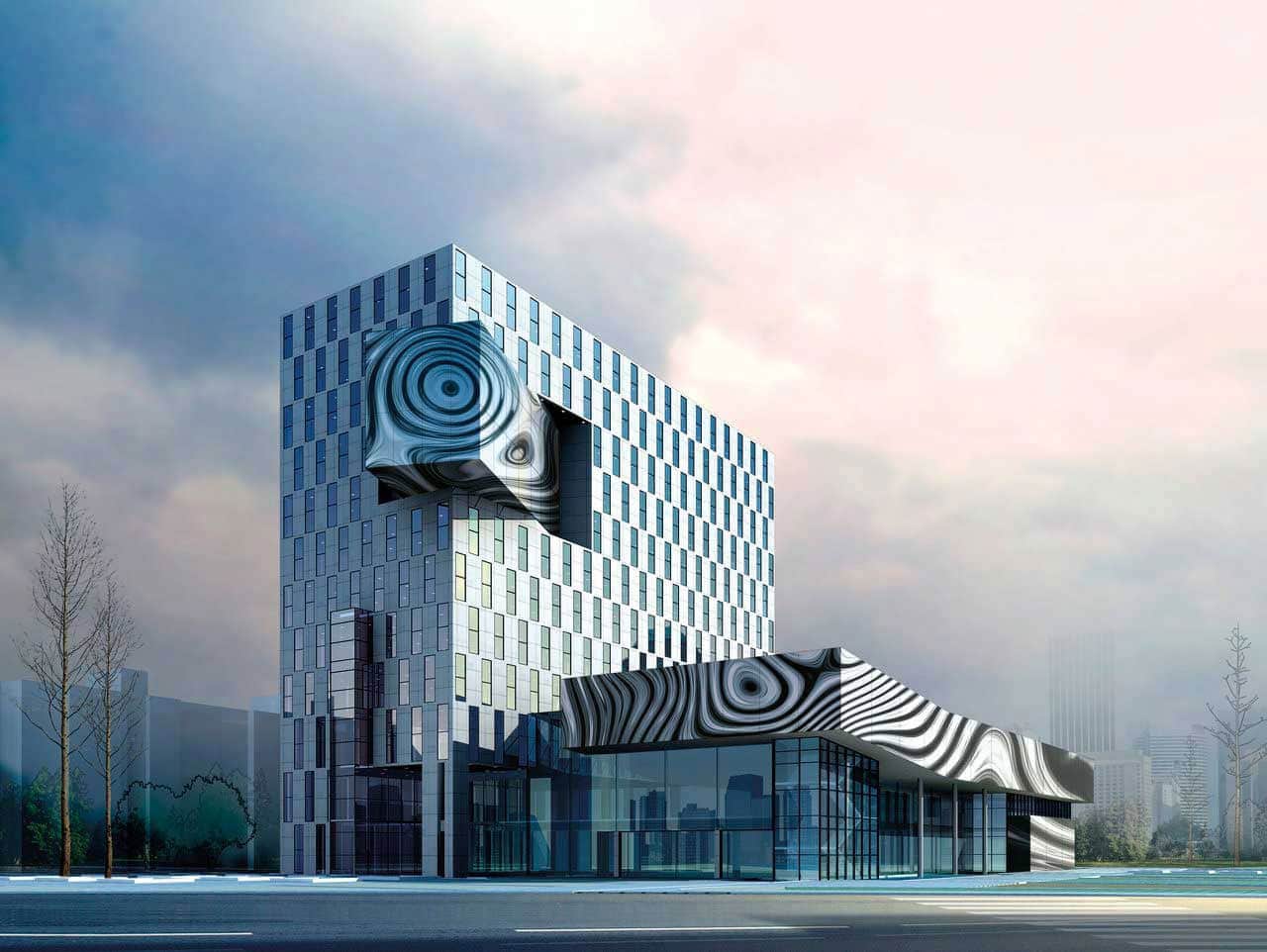

A building’s facade makes a crucial first impression—a statement that communicates the personality of the structure and its occupants.
Ceramic tile provides a wide variety of colors, shapes, sizes, and styles with which to create an exterior cladding (facade) design that is unique in style, function, and durability.
Plus, a ceramic tile facade is maintenance-friendly. This beautiful protection for your building remains unaltered under exposure to light and environmental pollution.
In an adhered facade application, tiles are bonded to a building’s exterior wall, typically with a cementitious mortar. A tiled exterior wall adds an element of thermal mass to the building envelope, meaning reduced fluctuation in temperature and increased energy efficiency in heating and cooling the building’s interior.
Tiles as large as 48 by 48 inches and 33 by 72 inches can be used in adhered façade applications.
In a ventilated façade application, tiles are mechanically fixed to a building’s exterior using fasteners or proprietary “clip” systems. This creates space between the tile and the original exterior building wall, resulting in a chamber of circulating air that can remove heat, keep the building structure dry, and improve insulation properties.
A building with a ventilated façade can achieve energy savings of 20-30%. By reducing peak heating and cooling loads, a ventilated façade also gives greater control over the building’s interior temperature, and it helps cut down on noise pollution. The ventilated chamber provides space for pipes and ducts, keeping them readily accessible for maintenance.
Whether a facade is adhered or ventilated, work can be carried out on individual tiles if any maintenance is necessary. In the case of ventilated facades, individual tiles may have the ability to be mechanically detached, then refastened.
Tile façade applications (regardless of climate) can be adaptable to a variety of substrates and conditions, making adhered and ventilated facades viable exterior upgrade options for renovation projects.
Ceramic tile in façade applications can contribute points toward energy efficiency and/or innovation credits in major green building programs, including LEED and Green Globes.
Green Squared Certified® tiles and tiles covered by the North American tile EPD used on external façades can further contribute to EPD and/or multi-attribute sustainability certification credits.
For more information on the benefits of ceramic tile facades in green building and construction, download Tile: The Natural Choice.
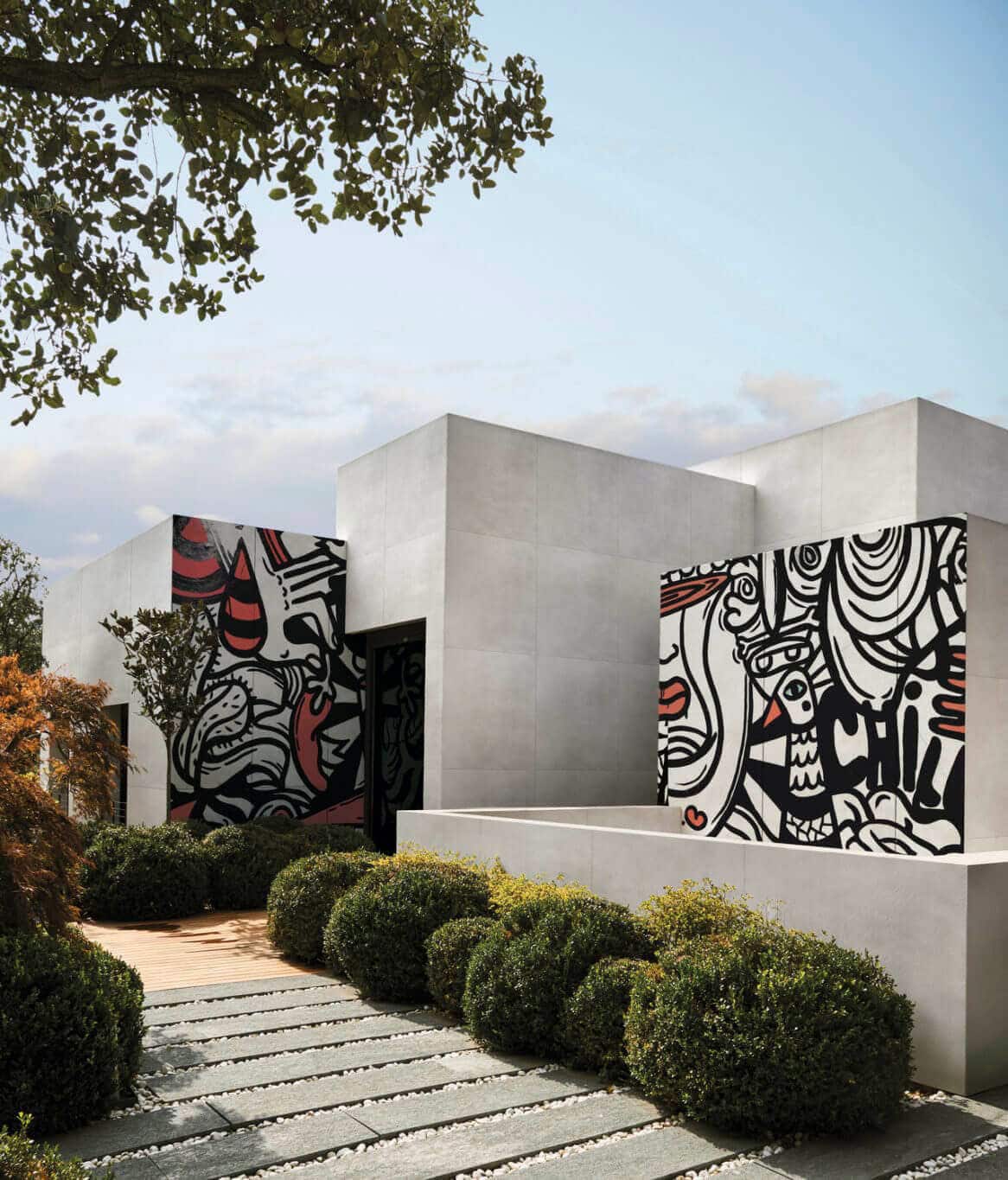
Related Case Studies
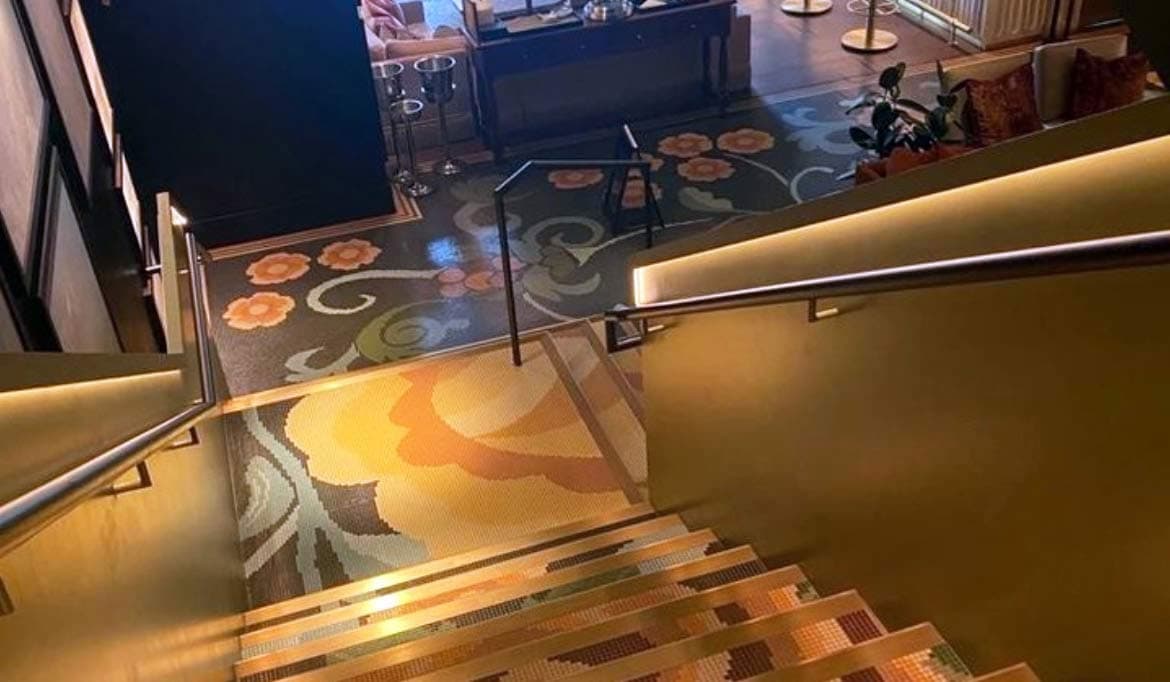
Ritz-Carlton NoMad
A hospitality experience that merges urban sophistication and creativity with refined comfort.
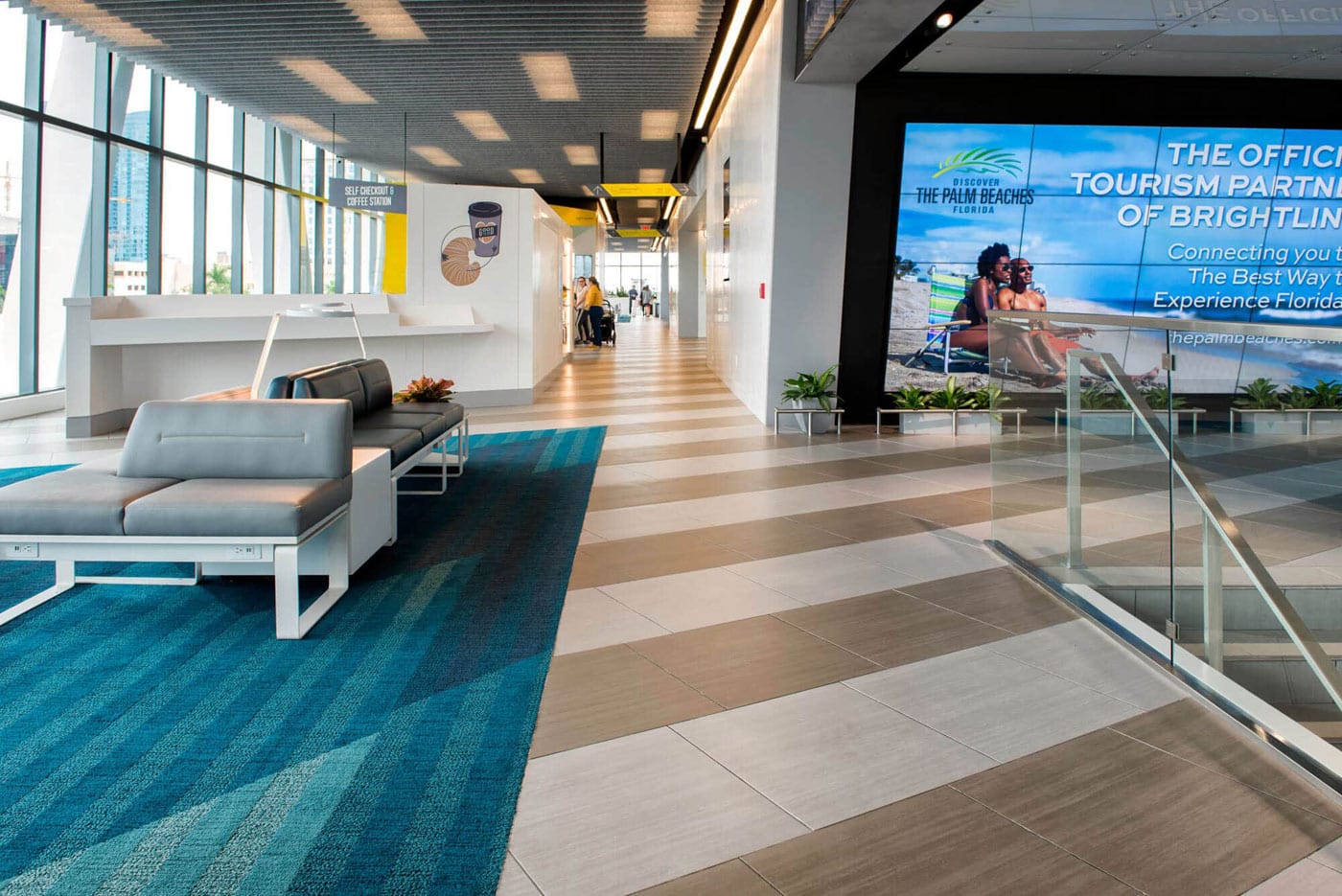
Brightline Rail Terminal
Creating a beautiful space to accommodate commuters and travelers for a 235-mile network of rail lines for Brightline’s busy rail stations in Florida.
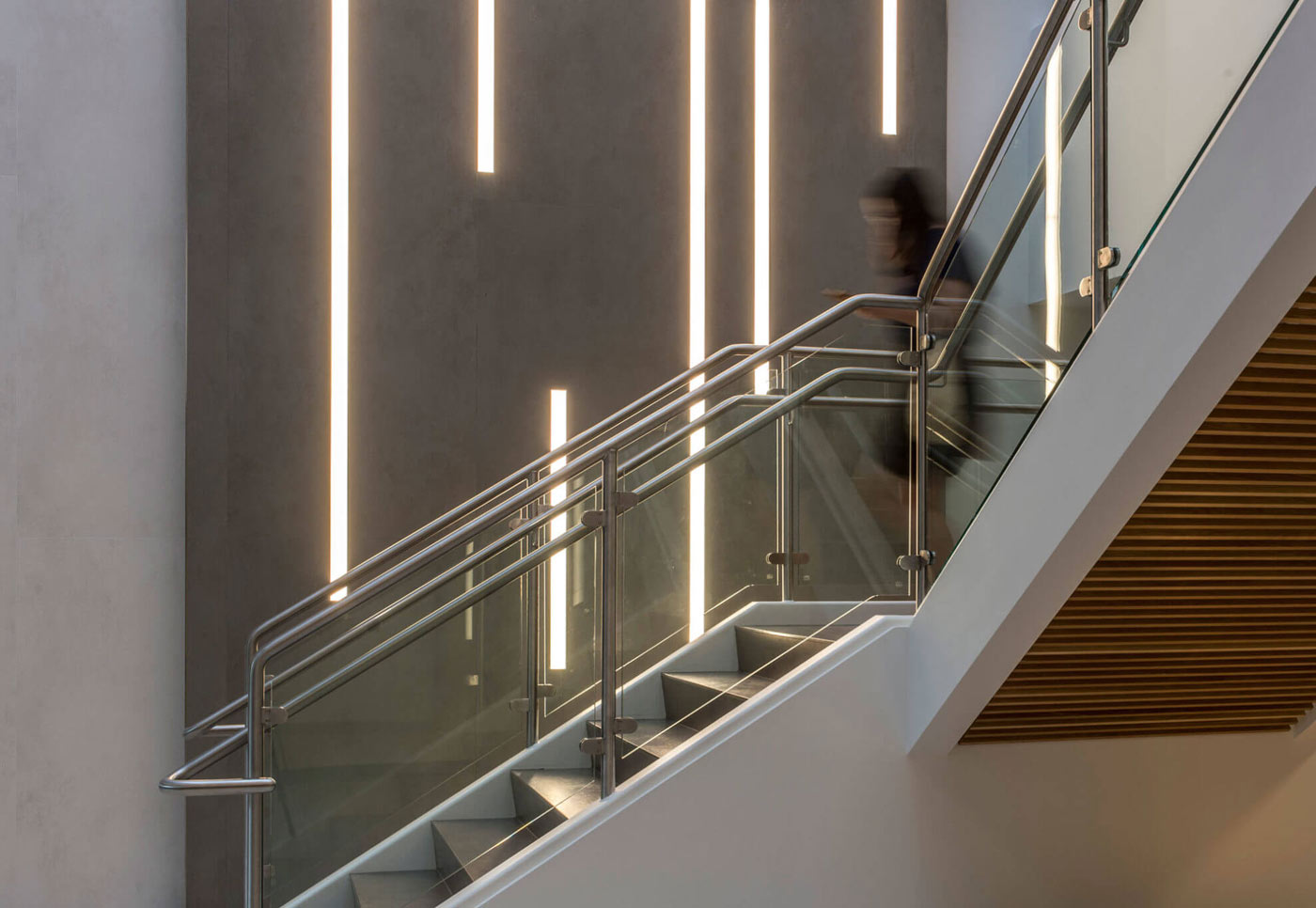
Lexington Office Park
Modernizing an office park outside Boston, creating a fresh look with porcelain tile panels while avoiding the need to demolish previous surfaces.
