
Government
Design government buildings with long-lasting, beautiful tile.
On this page:
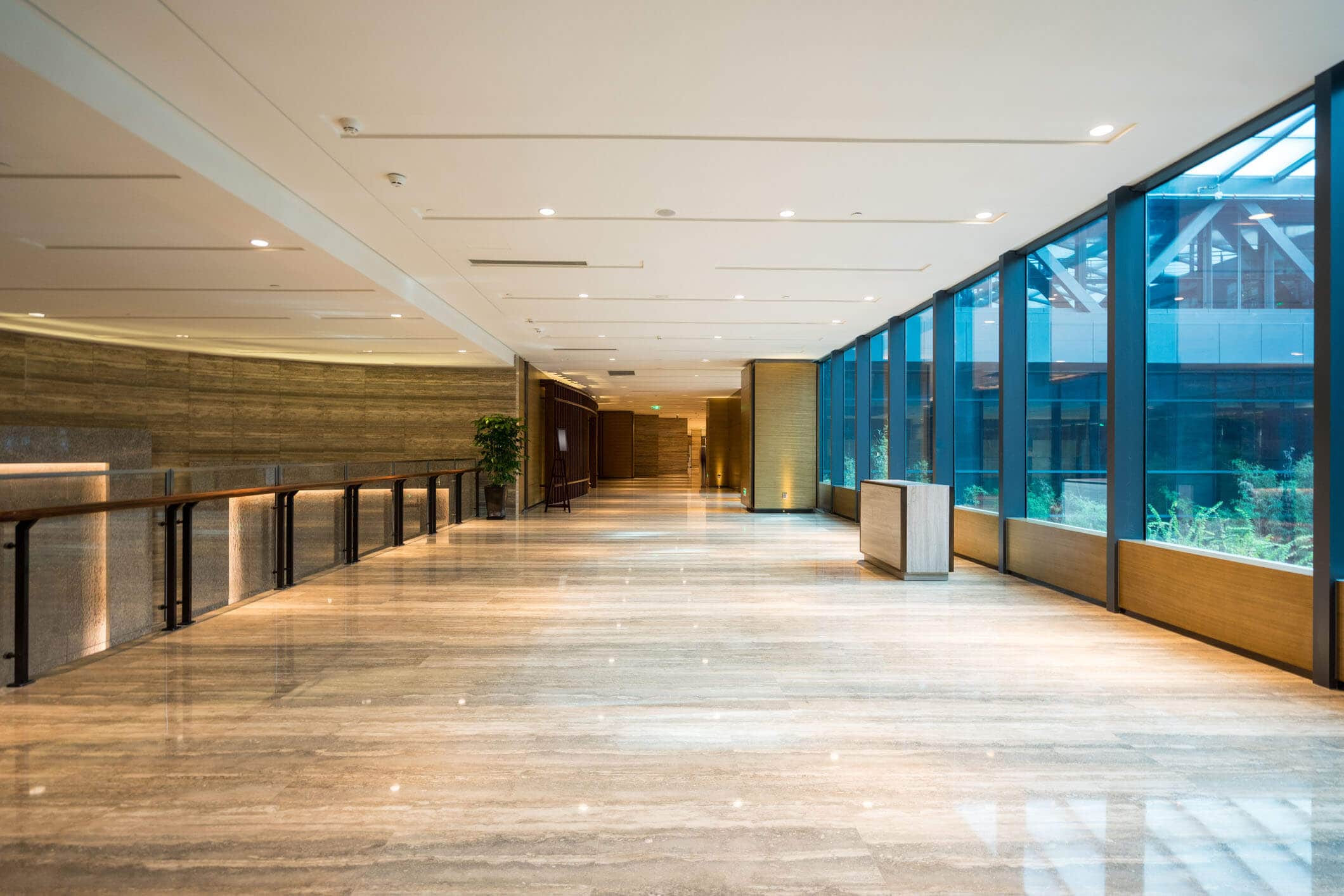
Design Ideas and Inspiration
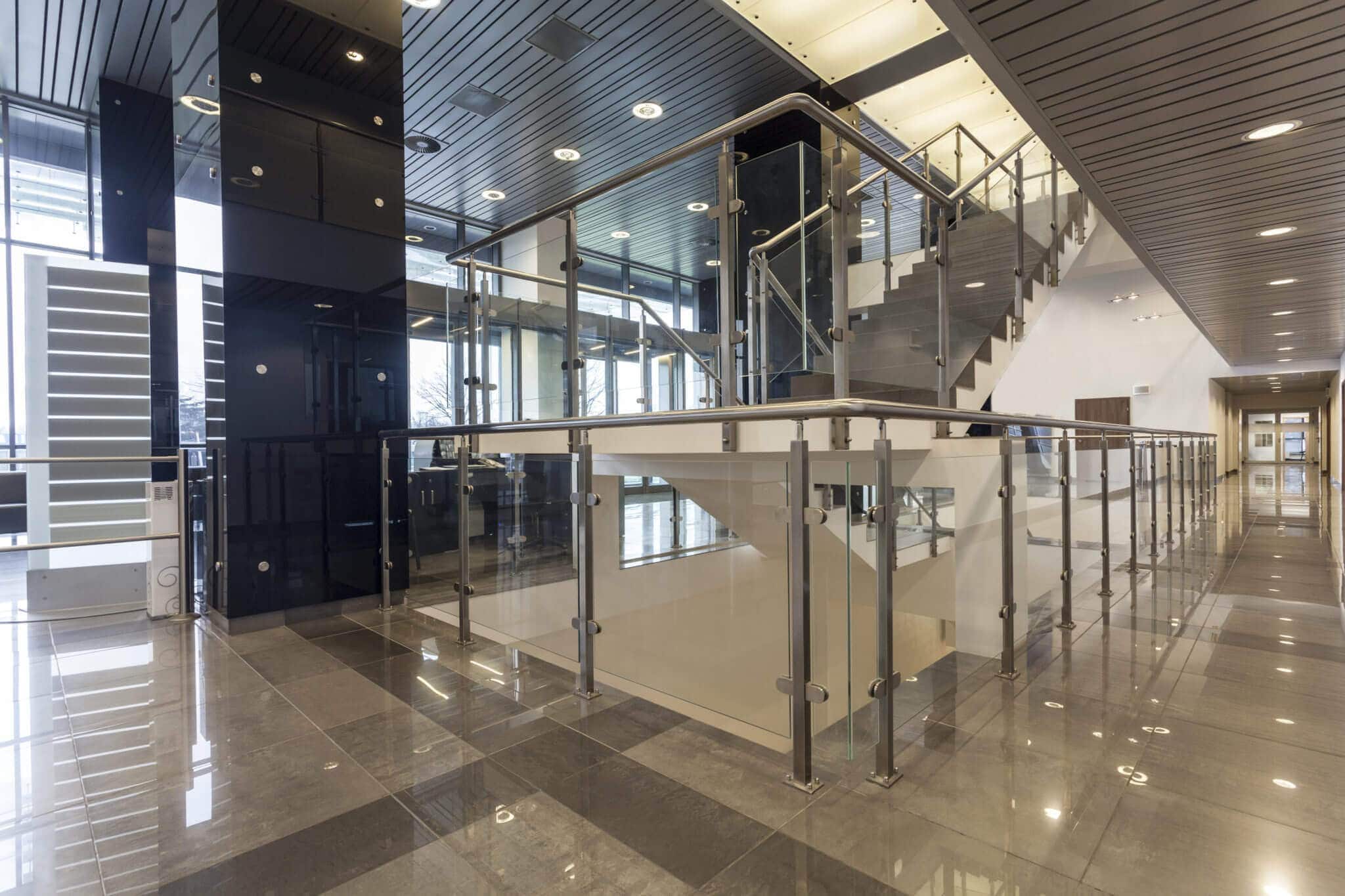
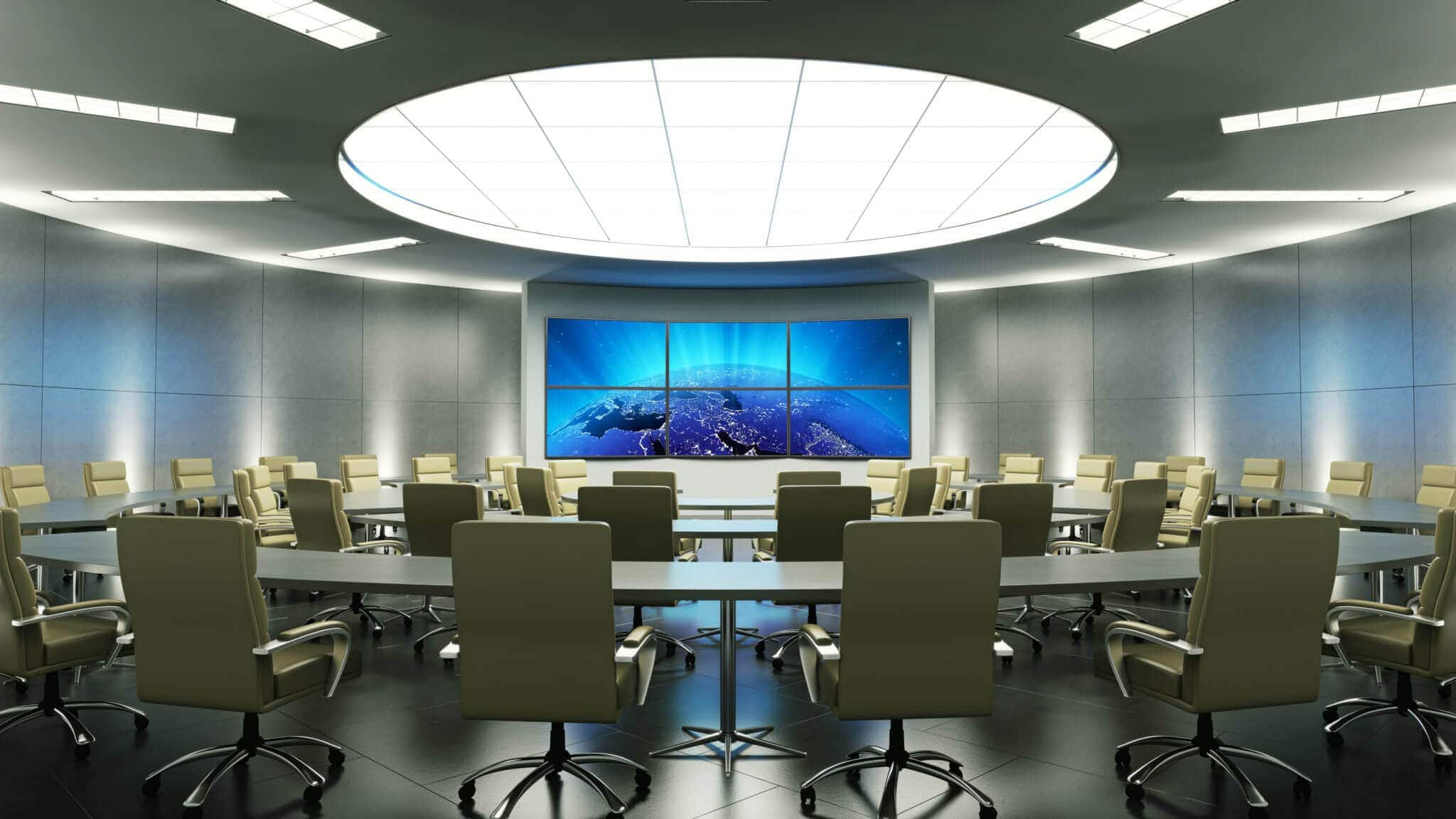


Efficient public use realized in ceramic tile
Ceramic tile is a versatile design medium that is easily incorporated into federal construction projects designed and operated per GSA standards and provides public servants a space they will be proud to call their workplace.
Maintain the balance between aesthetics and function with ceramic tiles that are available in a wide range of colors, shapes, and sizes to accommodate any design, no matter how complex or simple. Design a welcoming embassy or a clean and productive police station—the aesthetics that create the desired atmosphere are all possible using ceramic tile.
Easy maintenance of public spaces is essential for serving the public efficiently. Ceramic tile is durable under heavy foot traffic and machinery, is resistant to scratches, mold and bacteria, and offers the public safety features of being slip and fire resistant.
Build sustainably using green building for public spaces—ceramic tile facilitates compliance with public building codes and specifications, and may contribute points to federal or state mandated LEED or Green Globes projects. In fact, the EPA recommends federal usage of Green Squared Certification by public purchasing agencies. Learn more about codes, rating systems, and federal recommendations by visiting www.greensquaredcertified.com.
Nothing is more important than serving our common public good. Your project may be the next historical government building that protects and pushes society forward for generations to come.
Related Case Studies
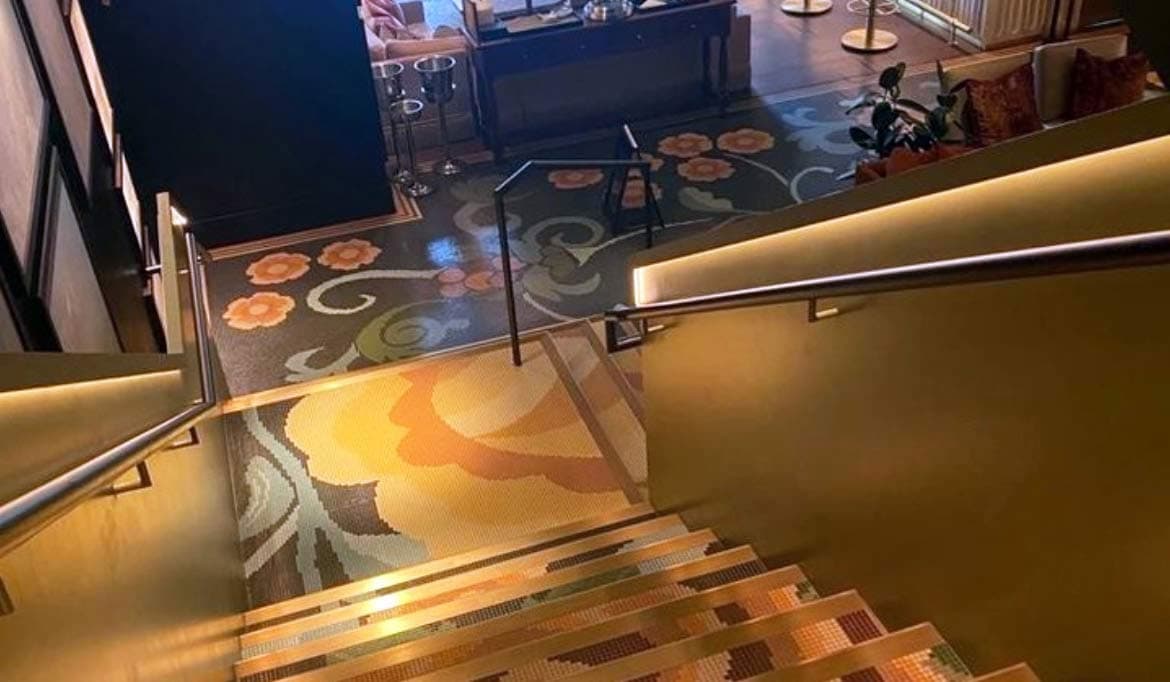
Ritz-Carlton NoMad
A hospitality experience that merges urban sophistication and creativity with refined comfort.
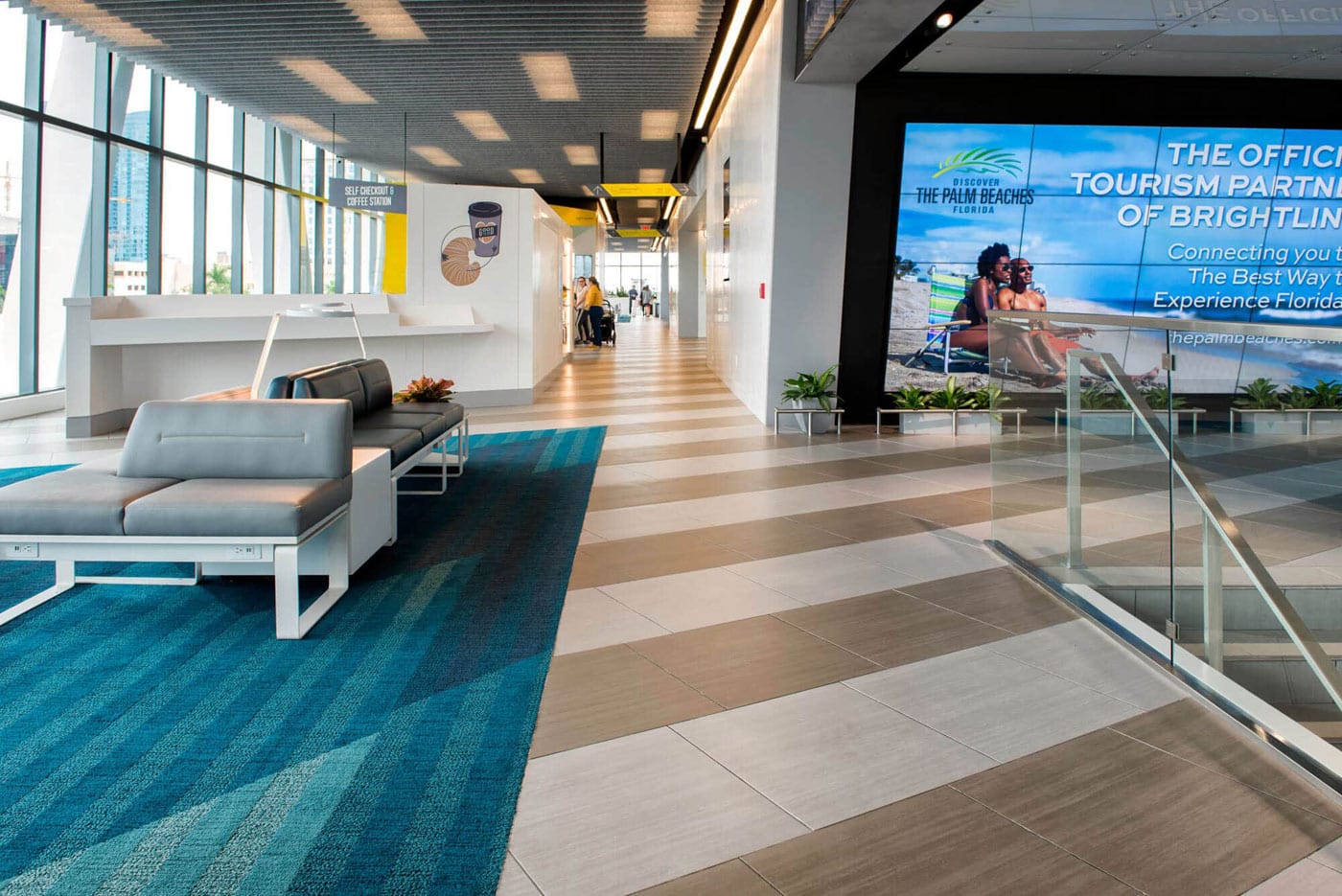
Brightline Rail Terminal
Creating a beautiful space to accommodate commuters and travelers for a 235-mile network of rail lines for Brightline’s busy rail stations in Florida.

Lexington Office Park
Modernizing an office park outside Boston, creating a fresh look with porcelain tile panels while avoiding the need to demolish previous surfaces.
